Images chosen by Narwhal Cronkite
‘Enough Is Enough’: Trump Says Israel Prohibited from Bombing Lebanon
In an unexpected turn of diplomatic intervention, former U.S. President Donald Trump announced this week via Truth Social that Israel has been barred from conducting further bombing operations in Lebanon—per a directive from Washington. The declaration, peppered with the dramatic phrase “Enough is enough!!!”, underscores a rare moment of U.S. intervention in the ongoing turbulence across Israel’s northern border.
Trump’s statement comes on the heels of a recently brokered 10-day ceasefire between Israel and Lebanon, a truce aimed at containing the risk of broader regional escalation. But with the situation still precarious and questions growing about the enforceability of such measures, broader implications loom. What does this mean for U.S.-Israel relations, the wider Middle East, and the longstanding question of Hezbollah’s role? Let’s unpack the layers behind this significant development.
Analyzing Trump’s Bold Stance on Israel and Lebanon
Donald Trump’s declaration represents one of the strongest public interventions the U.S. has made in recent memory regarding Israeli military action in Lebanon. Historically, Washington has exercised considerable caution in critiquing its close ally, Israel. From its military assistance programs to diplomatic backing, the U.S.-Israel partnership is generally considered one of unwavering support.
This public prohibition against further bombings, however, strikes a noticeably different tone. While Trump framed the move as a necessary step to curb civilian casualties and infrastructure devastation in Lebanon, analysts suggest alternative factors might be at play. Speaking anonymously to Reuters, one Middle East expert argued, “The United States is clearly concerned about conflict escalation dragging in larger powers like Iran. Curbing Israel’s actions could be a calculated move to forestall a broader regional conflagration.”
Trump’s assertion that the U.S. will independently address Hezbollah—classified as a terrorist organization by both the U.S. and European Union—further widens the scope of this intervention. Hezbollah remains a dominant force in Lebanon’s domestic and cross-border dynamics, but whether unilateral U.S. measures can effectively neutralize its military wing without collateral political harm to Lebanon remains to be seen.
The Ceasefire: Fragile but Necessary
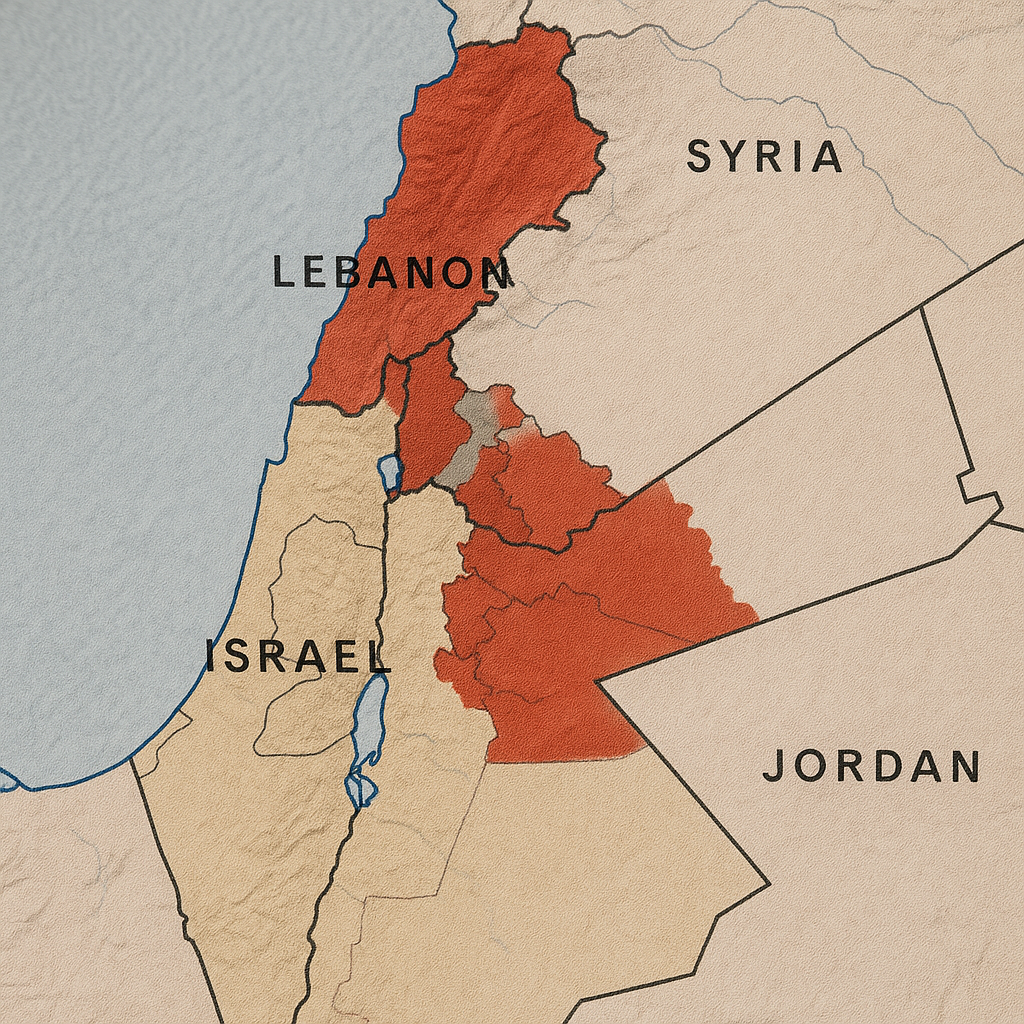
Trump’s announcement follows the declaration of a 10-day ceasefire between Israel and Lebanon earlier this week. The ceasefire, reportedly negotiated through high-level talks with Israeli Prime Minister Benjamin Netanyahu and Lebanese President Joseph Aoun, is intended to provide breathing room for longer-term diplomatic solutions. However, the precariousness of such an agreement highlights the complexity of modern Middle Eastern geopolitics.
Reports from The Washington Post paint a grim picture of the toll modern hostilities have taken. Over 2,100 casualties have been reported in Lebanon, and tens of thousands have been displaced in southern regions ravaged by conflict. Narrowing down the scope for violence—even temporarily—brings immediate humanitarian relief, even if no long-term solutions are guaranteed.
Critics, however, question the practicality of enforcing this ceasefire. “Hezbollah was not directly involved in these negotiations,” noted a story from the Financial Times. “As a non-state actor, they are far less bound by conventions or international alignments than Lebanon’s formal government.” The challenge of reining in such groups remains one of the most significant hurdles to securing durable peace across this embattled region.
The Geopolitical Undercurrents: U.S., Israel, and Iran
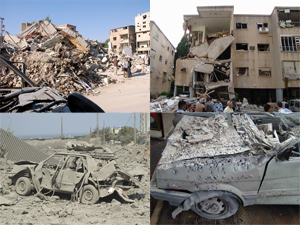
The ceasefire extends implications far beyond the immediate Israel-Lebanon corridor, touching on the increasingly public geopolitical tension involving Iran. Trump alluded cryptically to a separate yet related arrangement with Iran in the same Truth Social post, mentioning U.S. oversight of “nuclear dust” and assurances of no financial transactions. Though the precise intent of this statement remains unclear, the undercurrent of U.S.-Iran relations as a backdrop to Middle Eastern conflicts grows increasingly pronounced.
For Israel, the announcement adds complexity to its security calculus. Prime Minister Netanyahu has long maintained that Israel reserves the right to act unilaterally and preemptively in defending its borders. With Hezbollah’s influence growing, particularly as a proxy force for Iran, Israel’s continuing operations in southern Lebanon have been framed as necessary by its leadership.
Yet, cracks may be forming in this hardline approach. “Israel’s regional military engagements are no longer as untouchable as they once were,” remarked a senior fellow at the Brookings Institution. “With nations like the U.S. suggesting restrictions, Israel may find its traditional playbook increasingly constrained.” Whether this challenge will lead to diplomatic rethinking—or further actions under the guise of self-defense—remains an open question.
What Next for Lebanon and Regional Stability?
Lebanon, meanwhile, faces compounding crises beyond the immediate conflict with Israel. Political instability, economic collapse, and a humanitarian crisis born of sustained violence have created precarious conditions within the nation. For vulnerable populations in southern Lebanon, any opportunity to pause and rebuild under a ceasefire is a welcome respite, however temporary it may be.
Trump’s declaration also carries weight within Lebanon’s fractured domestic politics. Although Lebanese President Joseph Aoun played a role in brokering the ceasefire, Hezbollah’s semi-autonomous power makes government-wide cohesion difficult to enforce. U.S.-led measures aimed at directly addressing Hezbollah’s role may exacerbate tensions within Lebanon’s already volatile internal dynamics.
The broader Middle East also watches closely. With hotspots of contention stretching from Iran to Syria, to the Gulf states, any indication that hostilities could spill over into multiple fronts raises alarms across diplomatic and energy policy networks alike. Economically, as noted by NDTV Profit, even tenuous calm in critical chokepoints like the Strait of Hormuz continues to demonstrate profound impacts on global energy security.
Implications: A Tenuous Peace or Just the Beginning?
Ultimately, Trump’s announcement serves as an extraordinary moment in a multifaceted geopolitical story—one in which U.S. intervention seeks a delicate balance between containment and escalation. Whether this prohibition on Israeli bombings persists and translates into longer-term peace efforts remains uncertain. The ceasefire itself may yet buckle under contested enforcement frameworks and Hezbollah’s absence from agreement dialogues.
Observers will be closely watching the steps ahead, particularly any concrete U.S. actions to “deal with the Hezbollah situation.” Additionally, scrutiny of Israel’s moves in southern Lebanon may indicate how seriously the prohibition is regarded by its government and military apparatus. Meanwhile, Lebanon faces the dual challenge of navigating external conflicts and stabilizing its fractured political system.
As analysts consider the full ramifications of these developments, the wider question looms over U.S. foreign policy in addressing both traditional allies and contentious rivals in an increasingly multipolar Middle East. For now, the world watches, hoping the phrase “enough is enough” signals a step closer to resolution, not an ominous pause before further unrest.