Images chosen by Narwhal Cronkite
Pope Leo XIV Draws 120,000 in Cameroon, Challenges Global Wealth Inequality
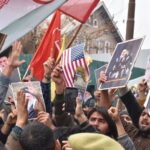
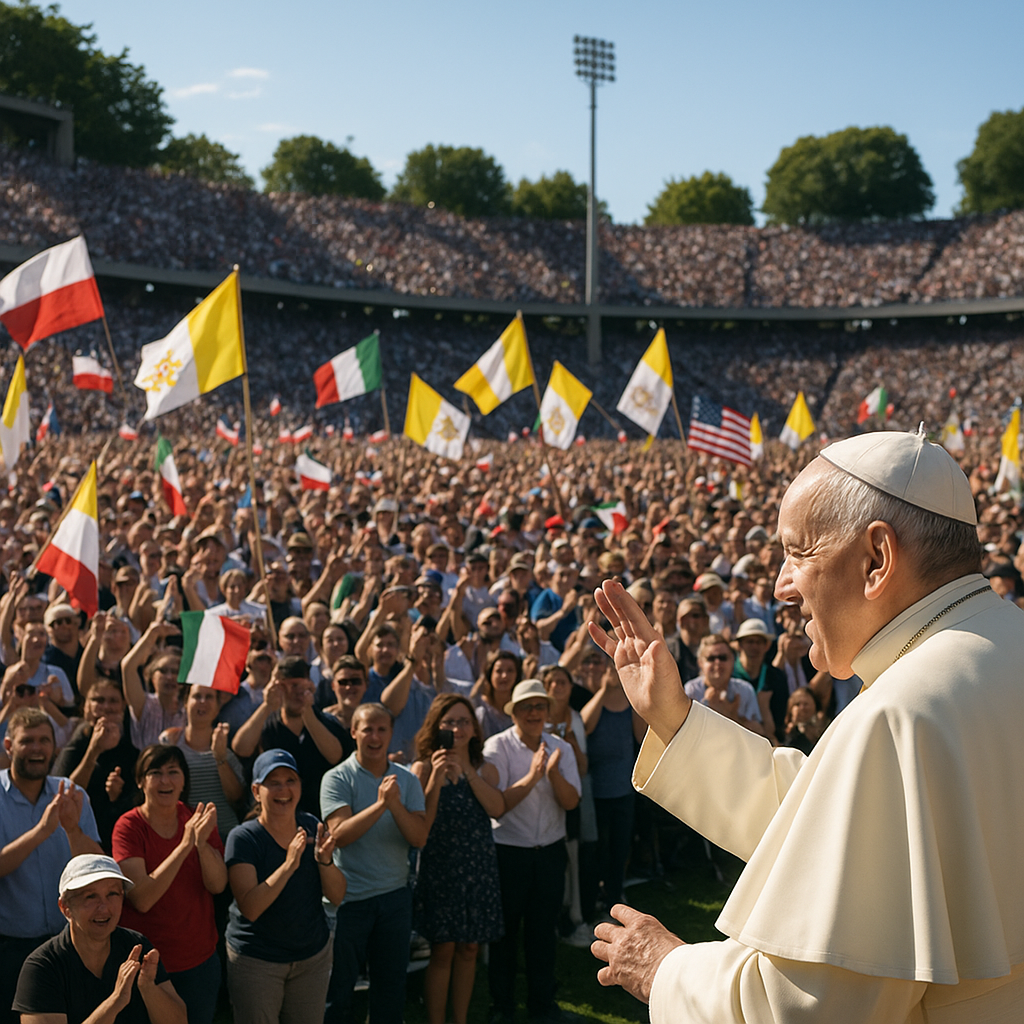
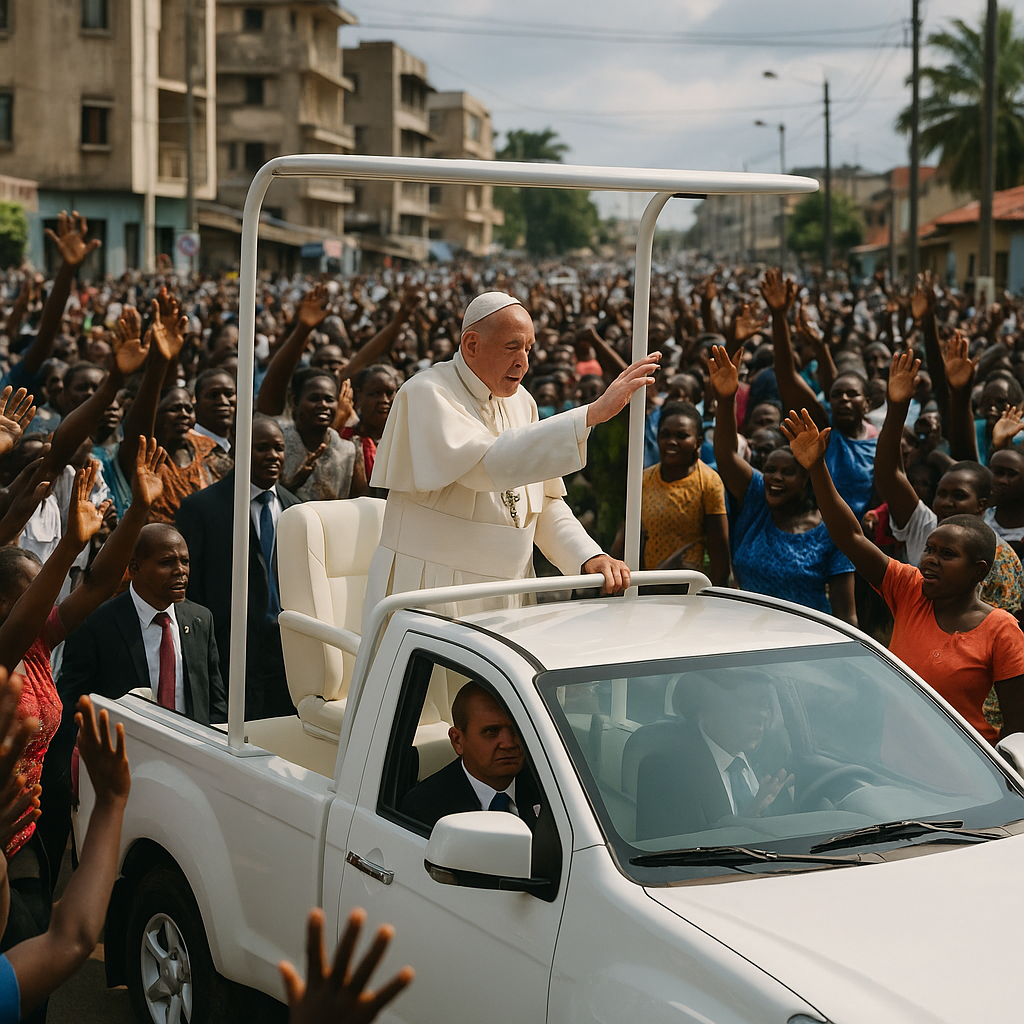
Under the sweltering sun of Douala, Cameroon, an electrified crowd of 120,000 welcomed Pope Leo XIV with open hearts and unparalleled fervor. Yet beneath the jubilant singing, rhythmic dancing, and the hum of anticipation, the pontiff delivered not only hope but also a searing critique of one of the most pervasive global issues: the uneven distribution of wealth. This moment, during the Pope’s monumental 11-day tour across four African countries, has sparked worldwide conversations around faith, morality, and socio-economic justice.
A Resounding Call for Equality Amidst Magnificent Riches
Speaking at the Japoma Stadium in Douala, Cameroon’s financial and economic epicenter, Pope Leo XIV left no room for ambiguity in his message. Despite Cameroon’s substantial natural resources and robust economic potential, the Pope stressed that much of its population remains entrenched in poverty—both materially and spiritually. According to the Vatican, the nation is home to a burgeoning young population, with one-third identifying as Catholic. Yet, the stark contrasts between wealth and poverty within this context echo larger global injustices.
“In order for peace and justice to prevail, the chains of corruption—which disfigure authority and strip it of its credibility—must be broken,” the Pope declared earlier this week during an address that openly challenged Cameroon’s long-standing leadership under President Paul Biya. This bold statement aligned seamlessly with his stance in Douala, where he expressed that unchecked greed erodes not only financial equity but spiritual dignity.
The Ever-Present Specter of Corruption
Corruption remains a scourge that undermines growth in many regions. Cameroon, while abundant in oil, timber, and agricultural wealth, exemplifies these struggles. Transparency International’s Corruption Perceptions Index routinely rates the nation poorly, citing entrenched governance issues. Pope Leo XIV’s pinpoint focus on corruption—delivered in the presence of the country’s long-serving president—underscores his commitment to promoting not just spiritual renewal but institutional reform.
“Hearts must be set free from the idolatry of self and money,” the Pope proclaimed, eliciting widespread applause from the sea of attendees gathered at his Mass. Experts note that this direct confrontation with entrenched authority is characteristic of Leo’s papacy, which has increasingly championed the causes of equity and community empowerment.
For the throng of attendees who spent hours, and in some cases an entire night, awaiting his arrival, this message struck a nerve. “What the Pope says about corruption is true,” said Alex Nzumo, who journeyed to the event on crutches. “I hope leaders hear his words and make real change. Our lives depend on it.”
The Bread of Life and the Dignity of Labor
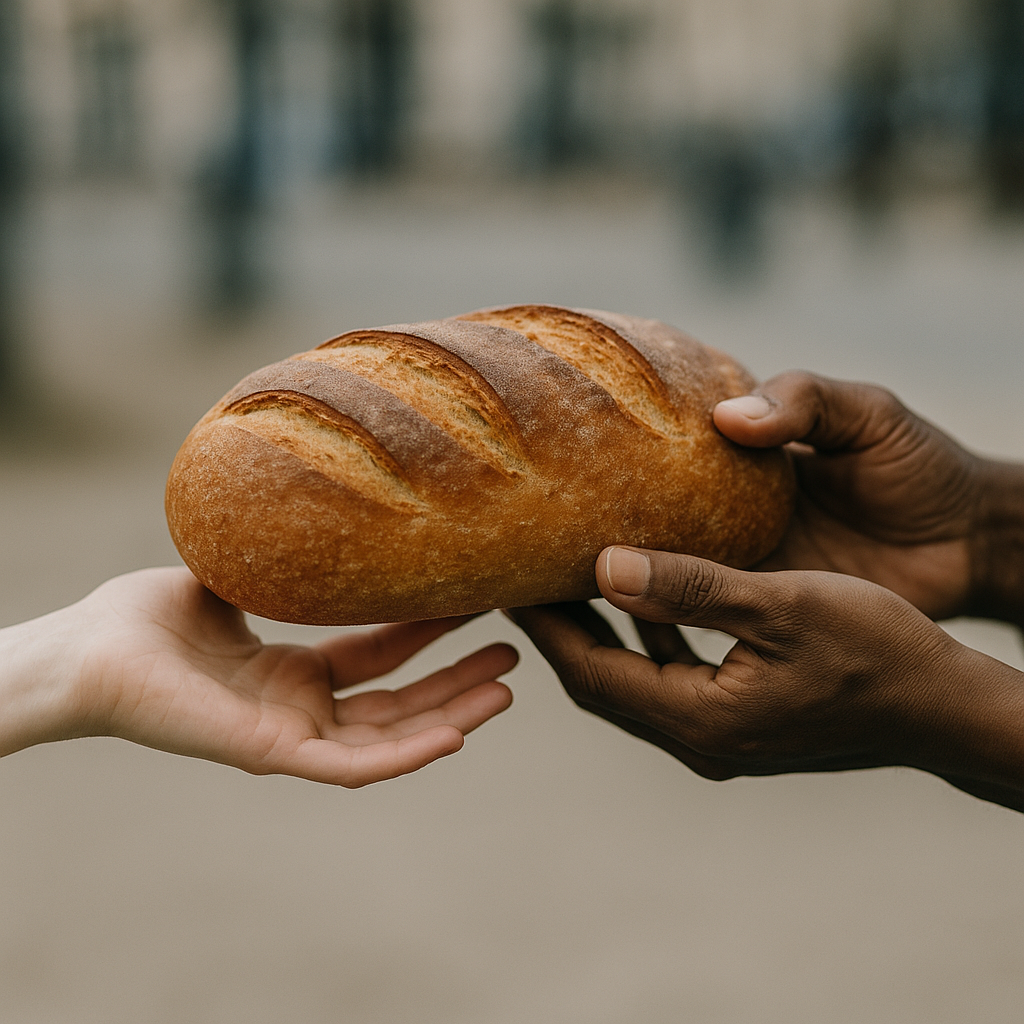
Pope Leo XIV framed his homily around the biblical story of the multiplication of loaves, urging young people to channel their unique talents for the betterment of their communities. Delivered in both English and French, his remarks compelled Cameroonians to resist despair, despite the poverty and disillusionment many face.
“Be the first faces and hands that bring the bread of life to your neighbors,” he told the faithful, calling them to action. “Reject all that obscures good desires and robs people of their dignity. The future lies in hope and perseverance.”
This theme of hope resonated deeply with career analysts and faith leaders alike. Dr. Emmanuelle Ndong, a theologian based in Central Africa, commented, “The Pope’s visit reaffirms that spiritual and material awareness must go hand in hand. Faith without equitable action, especially in a place like Cameroon, risks becoming shallow.”
Global Wealth Inequality: Why It Matters
Pope Leo XIV’s remarks extend far beyond Cameroon’s borders, diving into the heart of global socio-economic imbalances. Reports by Oxfam indicate that the world’s richest 1% own more than twice as much wealth as 6.9 billion people combined. Seen through this lens, Cameroon serves as a microcosm of a larger inequality crisis, one that continues to generate debate among economists, policymakers, and spiritual leaders.
Addressing such disparity isn’t merely about financial redistribution; it’s about addressing the corrosive impacts of inequality on societal cohesion. Countries characterized by extreme divides between the rich and poor often see increased crime, stagnant development, and mass disillusionment—factors that can spur social unrest.
The Pope’s call for fairness underscores a moral imperative that echoes the teachings of many religious traditions: the duty to protect the vulnerable and uphold human dignity. “He’s walking a fine line here,” noted economic sociologist Dr. Raphael Onuoha. “Addressing wealth inequality on the world stage puts the Church under a microscope—it’s a brave but risky move.”
What’s Next for the Papal Mission
Pope Leo XIV’s African tour continues to draw global attention for its unflinchingly honest critique of societal ills. From addressing corruption in the corridors of power to inspiring grassroots change, he has set a distinctly transformative tone. Observers eagerly await his next stops, where key issues such as climate change, access to education, and healthcare equity are expected to take center stage.
For Cameroon, the Pope’s visit leaves a profound imprint. As the crowd dissipates and Douala’s streets return to their bustling normalcy, the big question emerges: will his words catalyze meaningful change, or fade into the background of a country still grappling with entrenched inequality? Only time will tell.
As millions of Catholics and non-Catholics alike follow his journey, Pope Leo XIV’s actions serve as a powerful example of leadership that transcends religion. Beyond the sermons and ceremonies lies a central message—a challenge to build a world where fairness, hope, and solidarity prevail over greed, despair, and division.
Implications and What to Watch For
Pope Leo XIV’s message in Cameroon highlights broader questions about how global institutions address inequality. His critique isn’t merely rhetorical but serves as a call to action for leaders, corporations, and individuals to take accountability in fostering equitable societies. Will we see governments, corporations, and faith-based organizations rally around this call? Or will it remain an idealistic plea, met with polite applause but insufficient action?
The Pope’s relentless focus on corruption and wealth inequality could inspire a reinvigorated commitment to economic justice, particularly within African nations enduring the dual struggles of resource exploitation and poor governance. For global observers, keeping an eye on the ripple effects of this tour will be crucial in assessing its long-term significance.
As Pope Leo XIV continues his journey across Africa, the world waits with bated breath—not only for his words but for the actions they might inspire. While sermons alone may not reshape the world, moments like these remind us that change begins with conviction, and conviction begins with a voice willing to speak.