Images chosen by Narwhal Cronkite
Hungary Election: Orbán Concedes to Magyar’s Tisza in Landmark Opposition Win
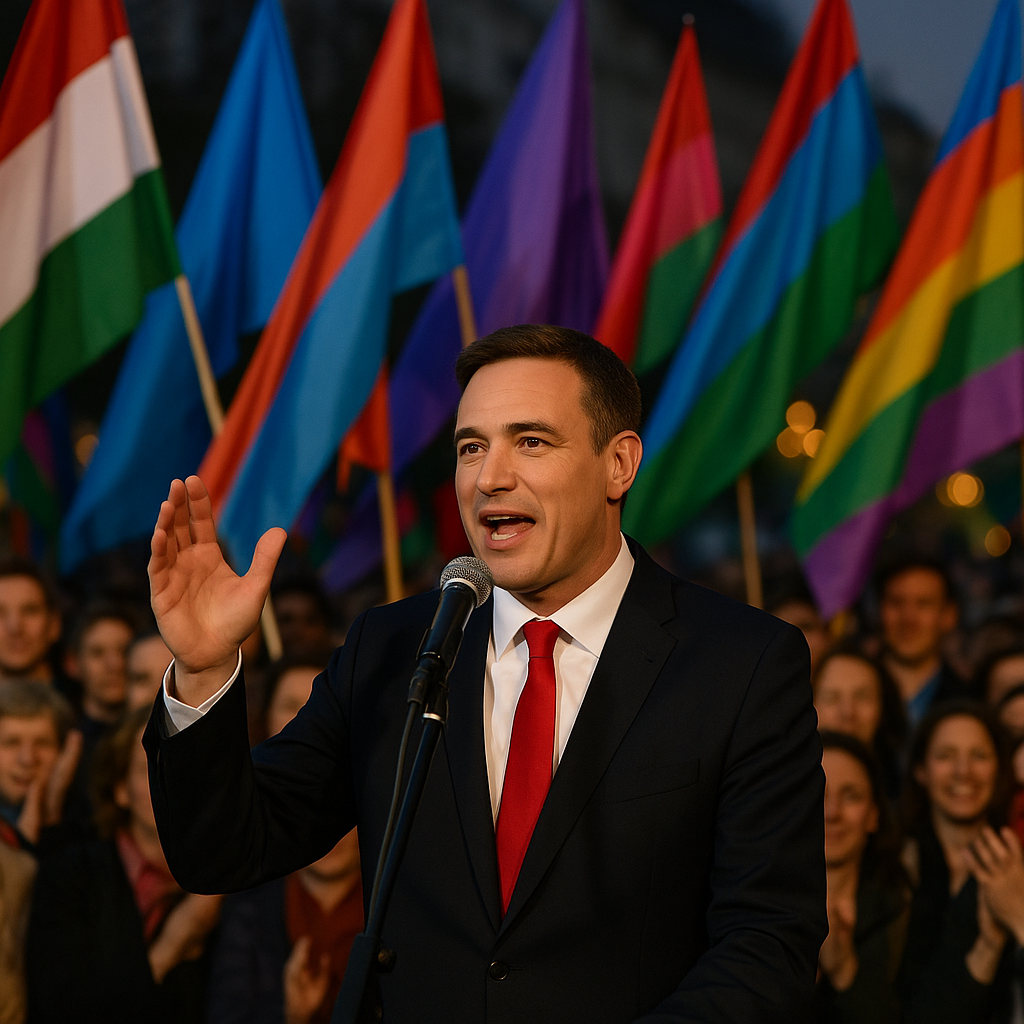
In a stunning shift on Hungary’s political landscape, Prime Minister Viktor Orbán has conceded defeat to opposition leader Péter Magyar of the Tisza Alliance, marking the end of Orbán’s dominant 16-year tenure. Election projections, released on April 12, indicate that the opposition coalition has secured a commanding two-thirds parliamentary majority, paving the way for sweeping political and socio-economic changes in the Central European nation.
The Rise of the Tisza Alliance
As reported by Reuters, preliminary election results reveal a resounding victory for the Tisza Alliance, a broad coalition uniting various opposition parties under the leadership of Péter Magyar. The coalition’s electoral platform focused on addressing concerns over democratic backsliding, economic challenges, and relations with the European Union, resonating with a significant portion of the electorate. This unity proved to be a pivotal strategy against Orbán’s Fidesz party, which had dominated Hungarian politics since 2010.
The Tisza Alliance’s win reflects the culmination of years of grassroots organization and an emphasis on inclusivity. Analysts have noted that opposition voters were galvanized by issues such as perceived constraints on press freedom and judicial independence, as well as frustrations over economic issues like inflation and housing affordability. Péter Magyar’s promise of “restoring democracy and rebuilding trust” struck a chord with many Hungarians seeking change.
Orbán’s Legacy: Triumphs and Controversies
For over a decade, Viktor Orbán and his Fidesz party maintained a firm grip on Hungarian politics. Under his leadership, Hungary pursued policies that emphasized national sovereignty, economic development, and restrictions on immigration. Supporters praised Orbán’s government for boosting economic growth, lowering unemployment, and implementing family-centric policies, such as tax benefits and housing subsidies.
However, Orbán’s tenure was also marked by increasing scrutiny from international observers and domestic critics. Accusations of eroding democratic institutions, stifling dissent, and consolidating power turned Hungary into a focal point for debates on democratic values within the European Union. The 2026 election, many believed, served as a referendum on the governance style that Orbán personified.
Speaking after conceding the election, Orbán congratulated Péter Magyar, stating, “Though this marks an end to our leadership, the values we’ve fought for will endure in Hungary’s heart and soul.” Orbán’s acknowledgment of the result signals a peaceful transition, a notable aspect given contentious political climates in other parts of the world.
The European Implications
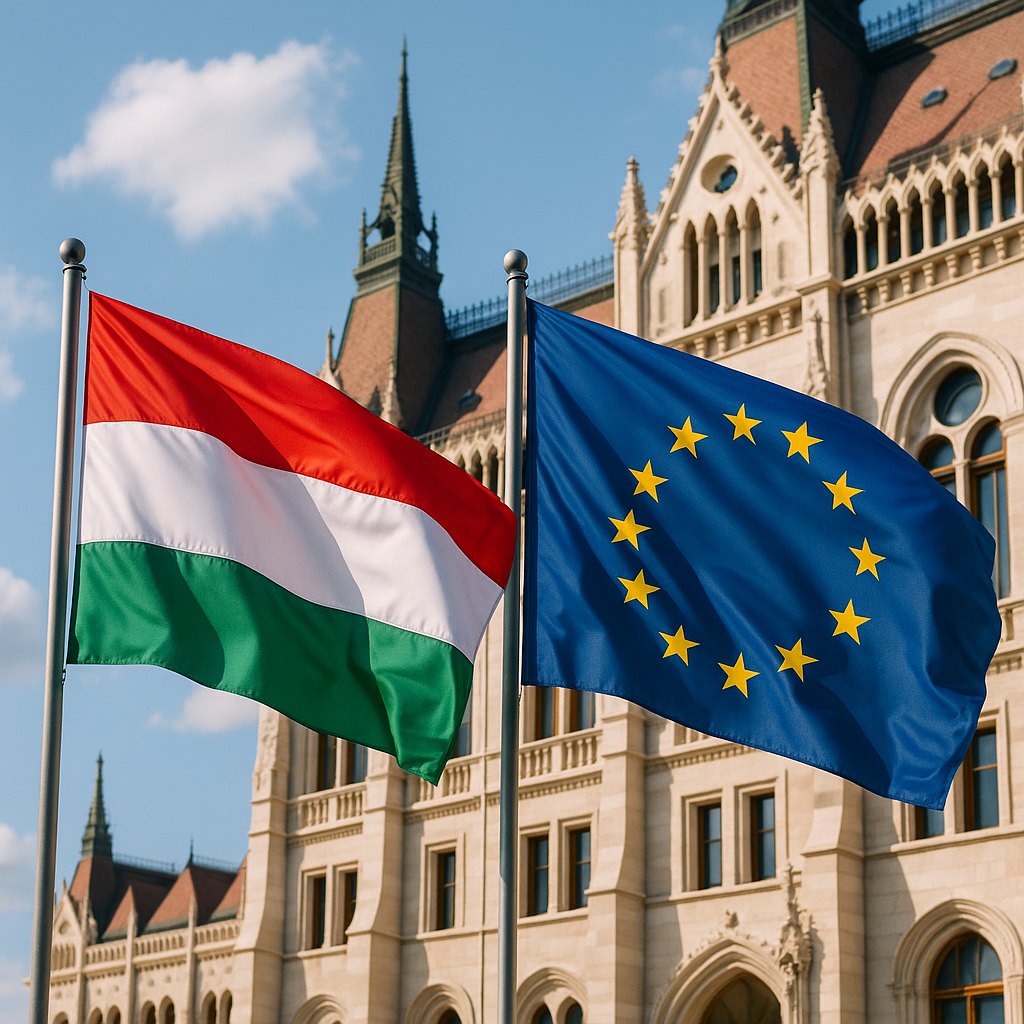
Hungary’s election outcome is poised to have far-reaching consequences for its relationship with the European Union. During Orbán’s tenure, Hungary often clashed with Brussels, particularly over issues such as media regulations, judicial independence, and migration policies. Péter Magyar has signaled a willingness to reset relations with the bloc, emphasizing collaboration and compliance with EU norms.
Viviane Keller, a political analyst based in Berlin, commented, “This election could represent a turning point for Hungary’s position within the EU. If the Tisza Alliance delivers on its promises, we may see the restoration of trust between Hungary and Brussels, potentially unlocking frozen EU cohesion funds.” Keller added that such realignments might also encourage foreign investments and partnerships, both of which have been contentious under Orbán’s tenure.
Challenges Ahead for Péter Magyar
While the Tisza Alliance’s victory is historic, it also presents significant challenges for Péter Magyar and his coalition. Governing with such a broad alliance may prove difficult, as the coalition encompasses parties with diverse ideologies and policy priorities. “Maintaining unity will be critical,” said Krisztina Nagy, a political scientist at Central European University. “The coalition’s ability to lead effectively hinges on their collective willingness to compromise and focus on their shared agenda.”
Moreover, key issues such as inflation, energy security, and healthcare reforms remain at the forefront of Hungary’s challenges. Magyar has vowed to prioritize economic stabilization, strengthen democratic institutions, and devise strategies to ensure energy sustainability amid global market fluctuations. Experts believe that the initial months of the Tisza Alliance’s governance will set the tone for its ability to meet campaign promises and manage public expectations.

What’s Next for Hungary?
As Hungary embarks on a new political chapter, international observers and citizens alike are watching closely to see how Péter Magyar and the Tisza Alliance navigate this transition. Immediate priorities for the new government include forming a coalition cabinet, drafting policies to address economic concerns, and re-establishing a cooperative relationship with the European Union.
One crucial aspect to monitor will be whether Hungary’s change in leadership influences broader political trends in the region. Neighboring nations observing Hungary’s democratic shift might see the election as either a model to emulate or a cautionary tale. The European Union, too, could test the waters of reconciliation by re-engaging Hungary in discussions surrounding democratic values and financial aid arrangements.
For now, Hungary seems poised for a reinvigoration of its democracy. Voters have signaled a desire for change, but only time will tell if this new political era delivers on their hopes and aspirations.
Conclusion
The 2026 general election in Hungary serves as a stark reminder of the volatility of political landscapes. With Péter Magyar and the Tisza Alliance making history by breaking Viktor Orbán’s 16-year hold on power, expectations for widespread reform are high. While the transition of power appears to be proceeding smoothly, the new government faces significant obstacles in meeting the promises that secured their landmark victory. As Hungary navigates this uncharted territory, both domestic and international stakeholders will be closely assessing the government’s ability to rise to the occasion.