Mark Zuckerberg is facing questions after his superyacht was accused of failing to respond when the US Coast Guard sought help for a small boat stranded in the cold waters of southeast Alaska. A spokesperson for the Meta chief executive disputes the account.
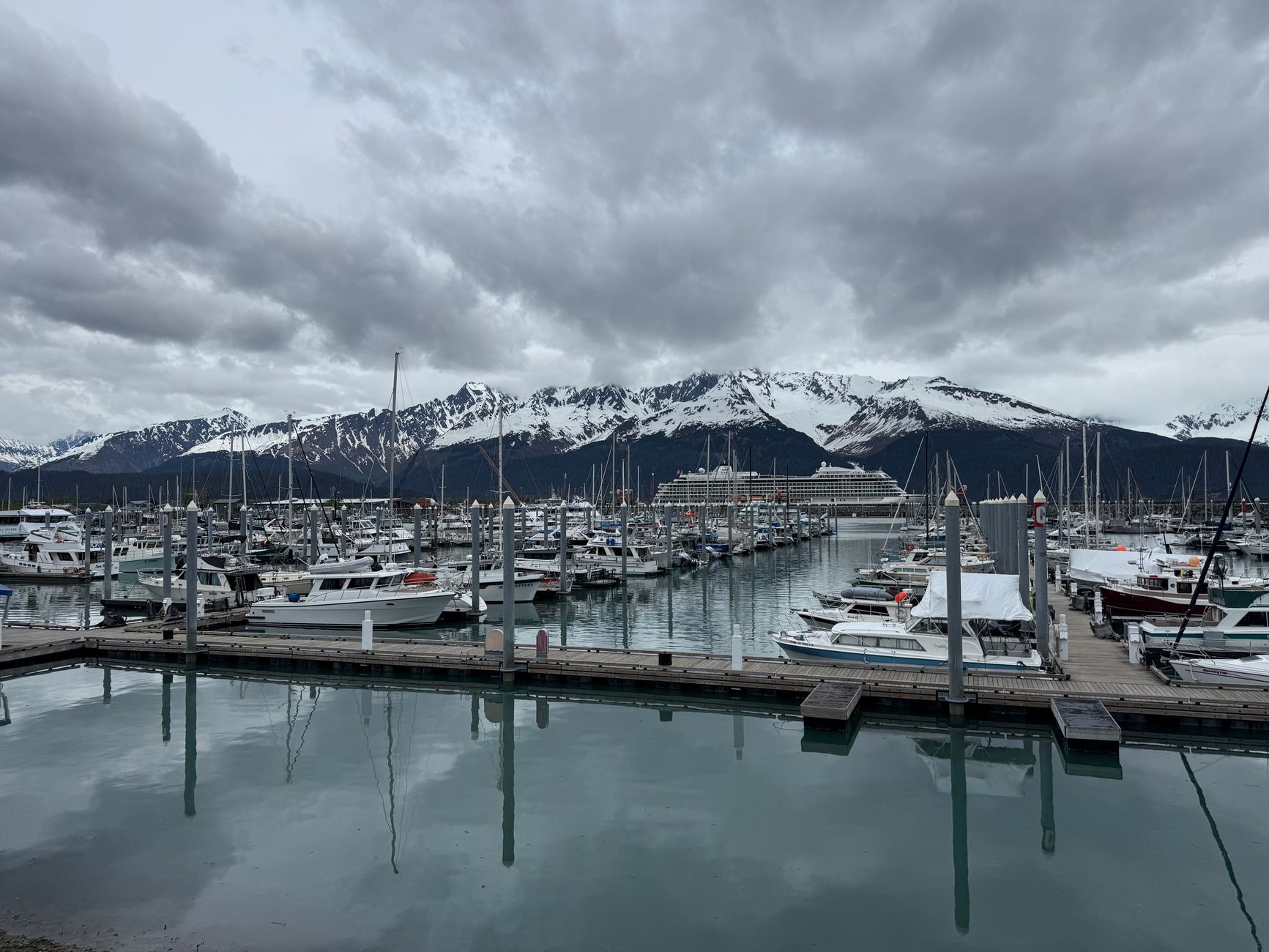
The vessel at the centre of the story is Launchpad, a 387-foot yacht reported to be worth roughly $300 million. According to the allegation, it was closer to the stranded 21-foot skiff than the ship that ultimately performed the rescue.
What the passenger says happened
The account originates with a passenger aboard the Wilderness Legacy, a small expedition cruise ship operated by UnCruise Adventures. The passenger said the ship’s captain told those on board that the Coast Guard had broadcast a request for assistance for the disabled skiff, had contacted Zuckerberg’s yacht, and that the yacht repeatedly failed to respond.
The Wilderness Legacy — a passenger vessel considerably smaller than Launchpad and, by the passenger’s telling, further from the scene — diverted and carried out the rescue itself.
The story spread rapidly because of the symbolism rather than the seamanship: a $300 million private yacht allegedly silent on the radio while a boatload of ordinary travellers turned around to help.
The Zuckerberg camp’s response
A spokesperson for Zuckerberg and his wife Priscilla Chan rejected the suggestion that the yacht deliberately declined to help, and offered three specific points.
First, that neither Zuckerberg nor Chan was aboard Launchpad at the time. Second, that the crew was operating on a different radio channel from the one the assistance broadcast went out on. Third, that by the time the crew reviewed the broadcast, the assist was already under way — meaning, in the spokesperson’s framing, that there was nothing left to respond to.
Those claims are not implausible. Large yachts do monitor multiple VHF channels, but a working channel used for tender coordination or port traffic is not the same as Channel 16, the international distress and calling frequency. If the crew was not monitoring 16 — or was in an area where terrain shadowing in Alaska’s steep-sided fjords degraded reception — a broadcast could genuinely go unheard.
What maritime law actually requires
The legal backdrop is unusually clear for a story this contested. Under long-standing international convention and US statute, the master of a vessel is obliged to render assistance to any person found at sea in danger of being lost, so far as they can do so without serious danger to their own vessel, crew or passengers. In US law the duty is codified at 46 U.S.C. § 2304, and failing to comply is a criminal offence.
Two things narrow that obligation in practice. The duty attaches when the master has knowledge of the distress — which is precisely the fact in dispute here. And vessels are required to maintain a listening watch on the distress frequency, which is why the “different radio channel” explanation is exculpatory on intent but not entirely comfortable on procedure.
It is also worth noting what the skiff’s situation was and was not. A 21-foot open boat disabled in southeast Alaska is in real danger — water temperatures there can induce hypothermia within an hour, and weather can turn a manageable drift into a serious emergency quickly — but a Coast Guard request for a vessel of opportunity to assist is not the same as a mayday, and the distinction matters when assigning blame.
Why this story travelled
The factual dispute is narrow: was the yacht hailed on a channel it was monitoring, and had the rescue already begun? The reaction was not narrow at all, and that gap is the actual story.
Superyachts of Launchpad’s class have become a durable shorthand for the concentration of wealth in the technology industry, and Zuckerberg is a particularly efficient lightning rod. The image of a vessel with a helipad, a full-time professional crew and satellite communications systems more capable than most commercial ships being unreachable by radio strikes many people as absurd on its face — whether or not it is technically what happened.
Meta and its founder have absorbed a steady run of reputational stories in recent years, and the technology sector’s public standing has been strained on other fronts too, from calls for Democrats to refuse AI industry money to the environmental fight over Amazon’s Texas AI plant, which could become a top US CO2 source. A yacht story lands in fertile ground.
What would settle it
There is a documentary record that could resolve most of this. Coast Guard radio logs would show which channel the broadcast went out on, at what time, and whether any vessel was hailed directly by name. Launchpad’s AIS track would establish where it was relative to the skiff. The Wilderness Legacy’s bridge log would show when it diverted and how long the transit took.
Until any of that becomes public, the honest summary is this: a stranded boat in Alaska was rescued by a small cruise ship, a nearby superyacht did not participate, and the two sides disagree about whether that was a choice or a coincidence of radio channels. The rescue itself was successful — a detail that has been almost entirely lost in the argument about who should have made it.