Amazon has secured state permits to build a 7.65-gigawatt natural gas power plant in Texas dedicated to powering a new artificial intelligence data center campus, according to a report from Tom’s Hardware. The custom facility, which will run on 35 gas turbines, is authorized to emit as much as 33 million tons of greenhouse gases per year, a volume large enough to potentially make it the single largest source of carbon dioxide pollution in the United States.
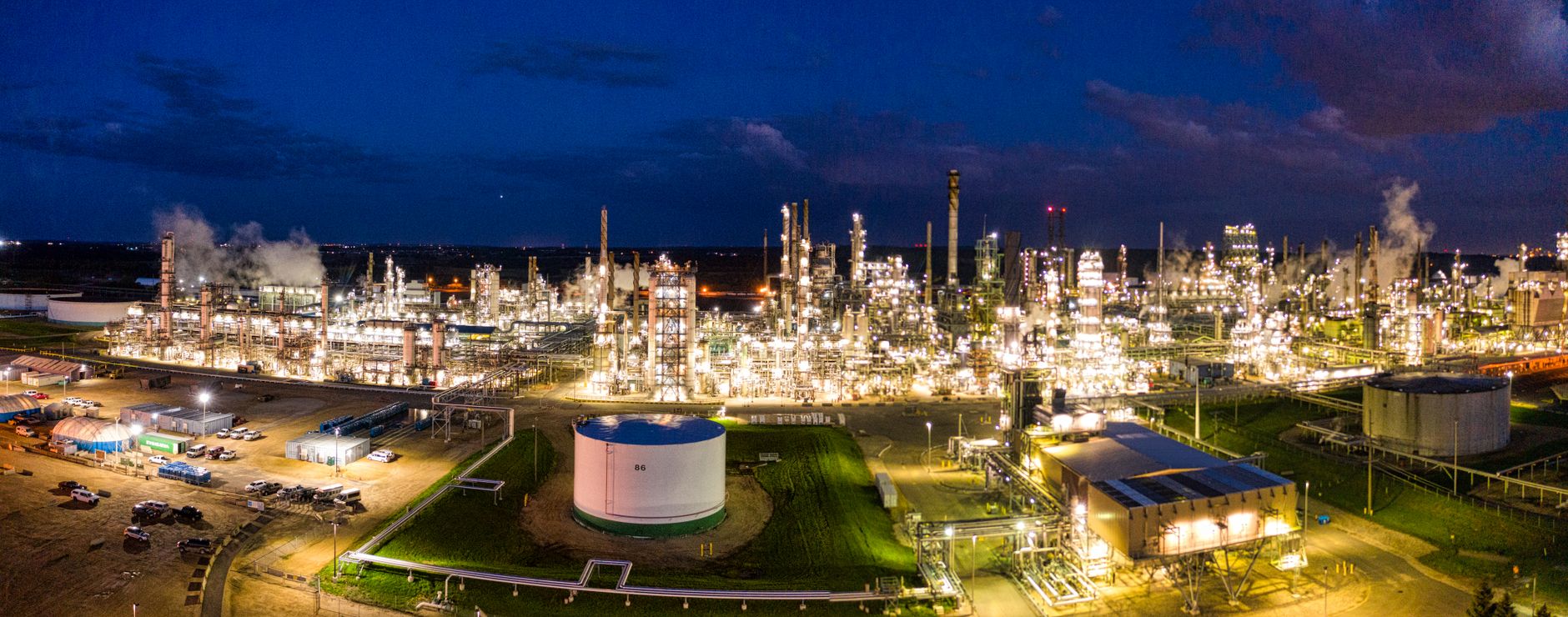
The project underscores the scale of energy infrastructure that tech giants are now building to keep pace with demand for AI computing power. Rather than relying solely on the existing grid, Amazon is constructing its own power generation on-site, a strategy increasingly common among hyperscale cloud providers racing to bring new data centers online.
A Plant Sized Like a Small Country’s Grid
At 7.65 gigawatts of capacity, the Texas facility would rival the total generating capacity of some entire national power grids. The 35-turbine configuration is designed to run largely uninterrupted, supplying continuous, dedicated power to server farms that require enormous and steady electricity loads for training and running AI models around the clock.
State permitting records reviewed by Tom’s Hardware show the plant is authorized to release up to 33 million tons of carbon dioxide-equivalent emissions annually. For comparison, that figure would place the single facility among the top emitters in the country, on par with or exceeding some of the largest coal-fired power plants still operating in the US.
Part of a Broader Pattern in Texas
The new gas plant adds to a growing list of concerns about the environmental footprint of Amazon’s data center buildout in Texas. NarwhalTV has previously reported that Amazon’s Texas data center could already become the top US polluter even before this latest gas plant was disclosed, and that the company has used regulatory tools such as a 45-year-old rule to bypass a local vote on a separate data center project in Gilroy, California.
Texas has become a preferred location for hyperscale data centers thanks to relatively permissive permitting processes, available land, and a deregulated electricity market that allows companies to build dedicated generation rather than wait for grid interconnection queues that can stretch years in other states. But that same flexibility has drawn scrutiny from environmental groups and some lawmakers who argue that emissions from AI infrastructure are being approved with limited public input or long-term climate accounting.
Why Amazon Is Building Its Own Power Plant
AI workloads, particularly the training of large language models, require sustained, high-density power delivery that many regional grids are not currently equipped to provide at the scale hyperscalers need. Building a dedicated gas plant allows Amazon to guarantee supply and avoid delays tied to utility-scale grid upgrades, which can take years to complete.
Natural gas has become the default choice for this kind of rapid buildout because turbines can be installed relatively quickly compared to nuclear or large-scale renewable projects paired with storage. However, that speed comes with a tradeoff: gas-fired generation still produces significant carbon emissions, and locking in decades of fossil fuel infrastructure could complicate corporate and national climate targets.
Amazon has previously pledged to power its operations with 100% renewable energy and reach net-zero carbon emissions by 2040. The company has invested heavily in wind, solar, and nuclear power purchase agreements. A dedicated 35-turbine gas plant of this magnitude, however, sits in tension with those public commitments, even if Amazon continues to offset emissions through renewable credits elsewhere.
The Industry-Wide Energy Crunch
Amazon is not alone in turning to fossil fuels to meet AI power demand. Microsoft, Google, and Meta have all announced new gas, nuclear, and even revived retired power plants to feed their own AI infrastructure ambitions. The scramble reflects a broader industry reality: electricity demand from data centers is growing faster than clean energy capacity can be deployed at scale.
Executives across the sector have framed the buildout as necessary to remain competitive. Meta’s chief technology officer recently argued that AI productivity gains should translate into more output, not less work, a mindset that mirrors the industry’s willingness to expand infrastructure aggressively regardless of near-term environmental costs.
That expansion has also drawn political attention. Some Democratic lawmakers, including Rep. Greg Casar, have urged the party to reject AI industry campaign contributions, arguing that unchecked data center growth is imposing environmental and infrastructure costs on communities without adequate oversight.
What Comes Next
Construction timelines for the Texas plant and the associated data center campus have not been fully disclosed, and it remains unclear how quickly all 35 turbines would come online or whether emissions will scale gradually alongside data center capacity. Environmental regulators in Texas have already approved the permits, meaning further construction can proceed without additional state-level review under current rules.
The project is likely to intensify debate over how AI infrastructure is regulated at the state and federal level, particularly as similar mega-projects are proposed across the country. For now, the Texas facility stands as one of the clearest examples yet of the environmental tradeoffs embedded in the AI boom, a single power plant built to serve computing demand now positioned to become one of the nation’s largest sources of greenhouse gas emissions.