Images chosen by Narwhal Cronkite
Nicolas Cage Reveals Why ‘Breaking Bad’ Changed His Views on Television
For decades, Nicolas Cage seemed steadfast in his decision to avoid working in television, favoring his larger-than-life presence on the silver screen. But the COVID-19 pandemic changed everything, including his views on storytelling mediums. In an unexpected twist, the Oscar-winning actor credits ‘Breaking Bad’ with expanding his horizons, prompting him to explore long-form television—a medium he now says offers creative opportunities that films just can’t replicate.
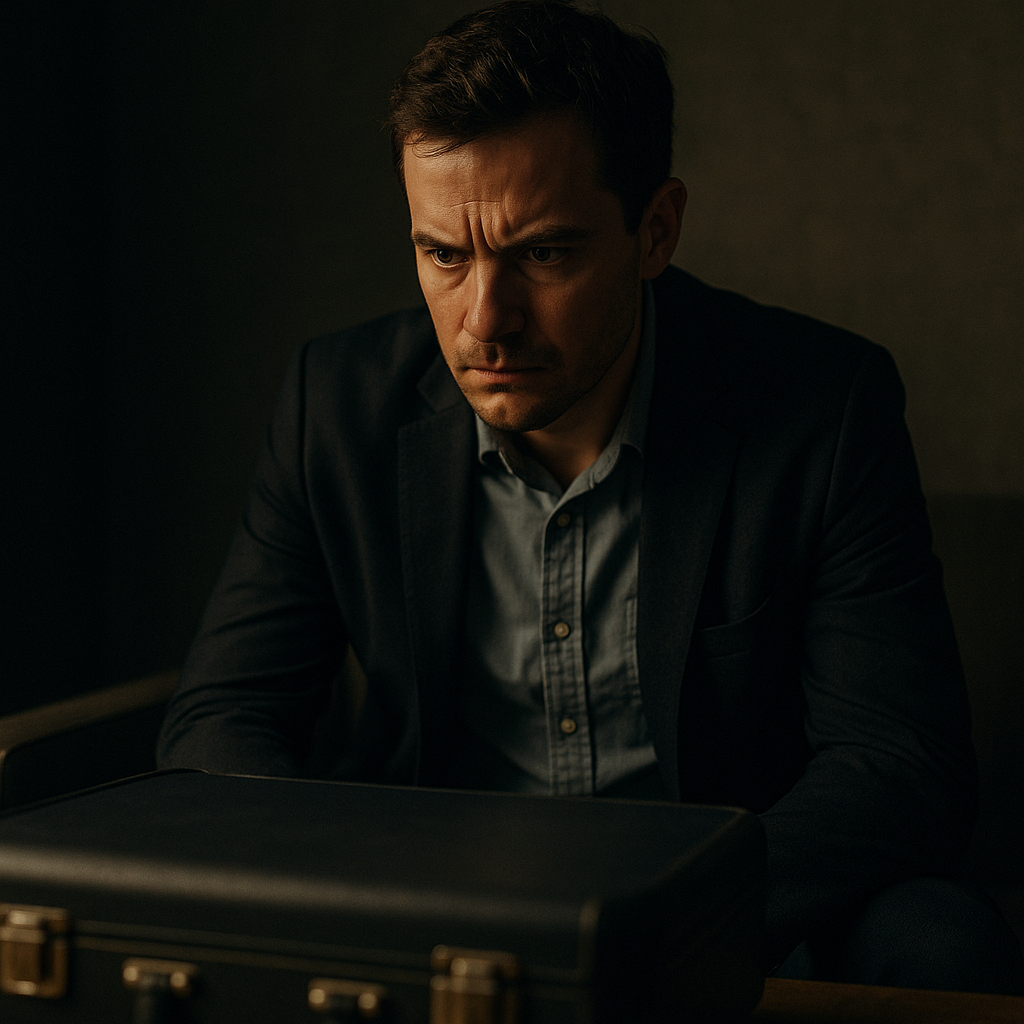
The Key Moment: Bryan Cranston and a Suitcase
During the 2020 COVID-19 quarantine, Cage’s son insisted he give the highly acclaimed AMC series ‘Breaking Bad’ a try. The pivotal moment came when Cage saw Bryan Cranston’s Walter White silently staring at a suitcase in one tense, unbroken scene. “It felt like the tension stretched across time,” Cage shared in an interview with Variety. “It occurred to me right then: you can’t do that in movies. The medium of film rarely gives you the runtime to dissect a character or sustain tension that deeply.”
For Cage, a self-proclaimed student of storytelling, this was a revelation. “Breaking Bad blew open an entire world of possibilities for me,” he said. “In movies, each frame is precious real estate, especially in the era of shorter attention spans. But in television, I saw the potential to let stories breathe.”
How Cinema Shapes Expectations
Cinema has historically placed limitations on storytelling due to its format. A standard film runs about two hours, leaving filmmakers limited time to establish characters, build worlds, develop conflict, and resolve narratives. According to analysts, this is precisely where television is triumphant. Over multiple episodes or seasons, television shows offer depth and nuance that audiences rarely experience in a standard film.
Industry observers note that television has evolved significantly, especially in the era of “prestige TV.” Shows like ‘Breaking Bad,’ ‘The Sopranos,’ and ‘The Wire’ have cemented their legacies by taking creative risks and showcasing complex characters over extensive timelines. “Television doesn’t just tell stories,” says media analyst Karen Johnston, “it tells sagas that unfold one layer at a time, allowing for a more intimate relationship between the viewer and the characters they invest in.”

The Evolution of the Medium
Where television was once considered an inferior medium compared to film, its reputation has soared over the last two decades. The advent of streaming platforms such as Netflix, HBO Max, and Amazon Prime gave television the budget, talent, and platform it needed to unleash its full potential. As reported by Variety, spending on scripted content increased by more than 200% between 2010 and 2022, leading to a golden age of diverse programming.
Interestingly, Nicolas Cage himself remained firmly focused on feature films during these years, appearing in hits and cult classics alike, from ‘National Treasure’ to ‘Pig.’ But Cage admits a sense of wonder at what he saw as television’s ability to push artistic boundaries. “I grew up soaking in the films of the Golden Age of Hollywood,” he explained. “Seeing television hold its own against cinema in terms of quality was eye-opening. High-caliber performances—like Cranston’s—make you forget you’re staring at what’s traditionally been a smaller screen.”
Nicolas Cage and What Comes Next
Not one to shy away from challenging himself, Cage’s newfound appreciation for television might soon translate into action. Though he’s famously protective of his unconventional career choices, he hinted that he’d be open to exploring long-form storytelling in a similar vein as HBO’s ‘True Detective,’ a show he also counts among his favorites.
In fact, Cage recently agreed to voice Spider-Noir in an upcoming animated series based on Spider-Man after the character’s breakout popularity in ‘Spider-Man: Into the Spider-Verse.’ For an actor as eclectic as Cage, the leap into television—animated or otherwise—feels both natural and surprising.
While no live-action television projects appear to be confirmed, analysts suggest that Cage’s unique acting style could bring something fresh to the small screen. “The charisma Cage brings to any project could thrive in a high-concept drama or even a quirky limited series,” says casting director James Yates. “Imagine Cage as a deeply flawed anti-hero in the style of Walter White or Rust Cohle. The possibilities feel endless.”
Implications for Storytelling and the Industry
Cage’s evolving perspective mirrors a broader shift happening in Hollywood. With more high-profile actors and filmmakers transitioning between film and television, the traditional divide between the two continues to blur. Actors like Matthew McConaughey, Reese Witherspoon, and Mahershala Ali have all embraced the opportunities that television provides, and streaming platforms are increasingly attracting A-list talent.
What’s more, directors like Martin Scorsese and Noah Baumbach have also straddled the two mediums, with Scorsese recently calling streaming platforms a “boon for creators.” Similarly, Cage’s remarks serve as a testament to television’s artistic legitimacy in the modern era.
As Nicholas Cage contemplates his foray into television, the industry can expect a ripple effect. “More stars from Cage’s generation may start re-evaluating their stance,” says Johnston. “TV’s reputation isn’t bound by stigma anymore; it’s a playground for creative risk-taking that directors and actors want to be part of.”
Conclusion: What to Watch For Next
So, will Nicolas Cage eventually headline a prime-time series or limited project? While no announcements are official, his appreciation for television’s capacity for depth makes that journey feel inevitable. For now, his admiration of ‘Breaking Bad’ underscores the powerful impact of storytelling, regardless of medium.
As audiences continue to shift their focus toward television, Cage’s potential involvement is just one sign that the lines between the big and small screens are continuing to dissolve. Judging by the trajectory of prestige TV, the next breakout drama may just have Nicolas Cage’s unique fingerprints all over it.