Images chosen by Narwhal Cronkite
Tech CEOs Are Catching ‘AI Psychosis’: A Wake-Up Call for the Industry
Artificial Intelligence (AI) continues to dominate headlines and boardrooms, promising seismic shifts in productivity, creativity, and decision-making. But lurking within the heart of Silicon Valley, a strange phenomenon may be taking hold: “AI psychosis”—a term increasingly being used to describe tech leaders’ overzealous faith in AI’s transformative potential, coupled with their disconnection from its actual limitations.
Are Tech Leaders Losing Their Grip on AI Reality?
At first glance, today’s tech landscape is both exciting and paradoxical. Record profits dominate earnings reports, while massive layoffs persist across the sector. For many companies, the consistent thread tying these seemingly conflicting dynamics together is their embrace of AI.
Box founder Aaron Levie recently made waves by pointing out the cognitive gap that often exists at the C-suite level. “CEOs are uniquely prone to AI psychosis because they’re sufficiently distant from the last mile of work that still has to happen to generate most value with AI,” Levie explained in a post on X (formerly Twitter). He argues that while executives may be enamored by a new AI prototype or demo, they often miss the considerable grunt work of fine-tuning software to meet real-world needs.
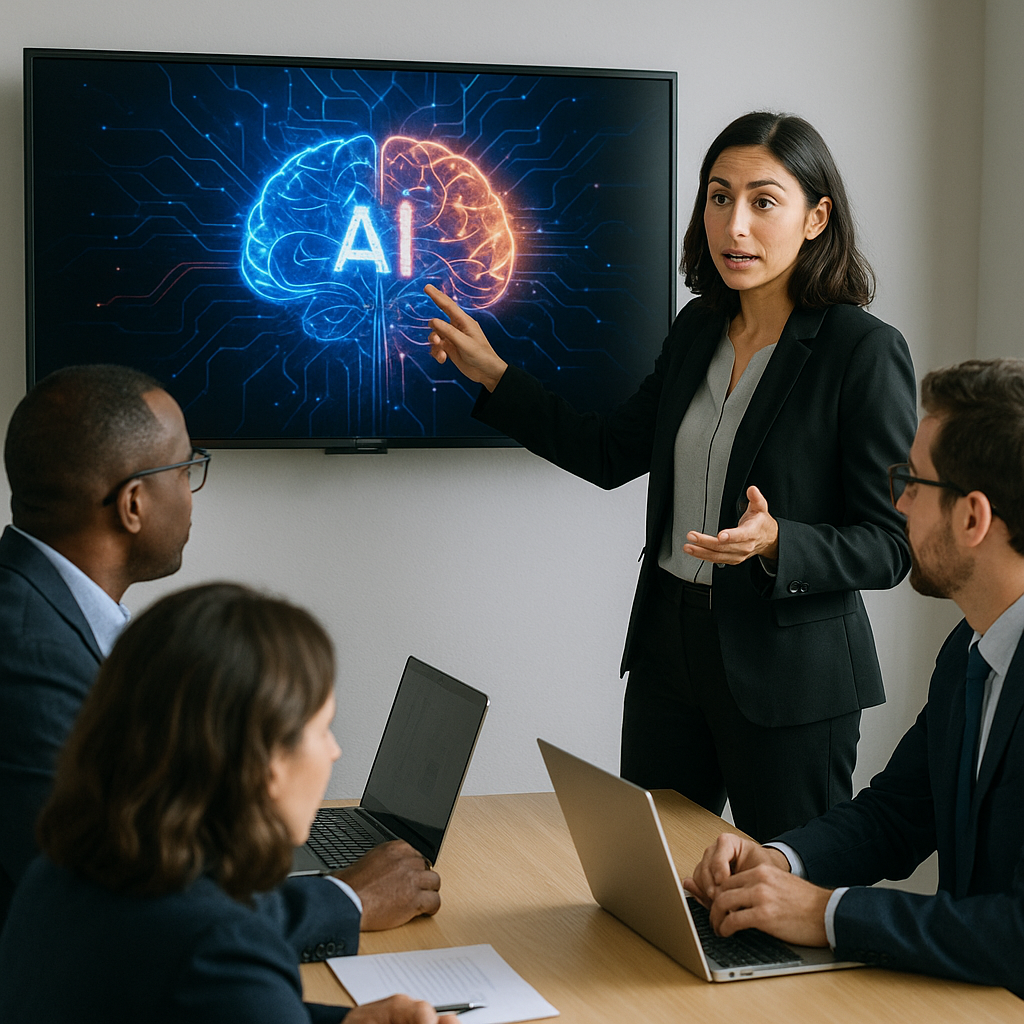
While Levie has expressed optimism about AI’s future—praising its disruptive potential and investing in several AI startups—his term “AI psychosis” reflects a sobering reality. Decision-makers who are far removed from day-to-day operations may overestimate the technology’s readiness to replace human labor, fueling misguided strategies and, in some cases, mass layoffs.
The Fallout: Layoffs, AI ‘Hype Washing,’ and Disillusionment
This speculative fervor around AI has not materialized in every corner of the industry. However, the associated consequences are clear: Between January and May 2026, 115,430 workers in tech have lost their jobs, according to data from Layoffs.fyi. That nearly matches the figure for all of 2025, when 124,636 layoffs were announced. Several companies have directly pointed to AI’s productivity gains as a reason for cutting jobs—a move some critics label as “AI washing.”
The term “AI washing” refers to the tendency to overstate AI-driven advancements or successes, either to appease shareholders, justify strategic cuts, or paint an overly optimistic financial picture. And the costs of this disillusionment run deep. As Techdirt noted in its coverage of AI-related harms, over-reliance on flawed or immature AI systems can lead to cascading errors, customer mistrust, or even personal harm—such as when AI chatbots tread dangerously into areas like mental health advice.

As with previous technological revolutions—think cloud computing in its early years—the gap between promise and actual delivery is vast when it comes to AI. But unlike cloud computing, the stakes this time are much higher: millions of jobs, privacy concerns, and even mental health risks hang in the balance. When AI systems hallucinate or fail, they do so in ways that can harm individuals, not just organizations.
Why Are CEOs So Vulnerable to ‘AI Psychosis’?
Technology enthusiasts often lauded for their visionary outlooks, CEOs are not immune to the cognitive biases that come with excitement over cutting-edge tools. Levie’s comments highlight this point: CEOs often see the “happy path” of AI, where simple prototypes or basic models seem to produce excellent results. However, without diving into the complexities of AI implementation—debugging models, ensuring data quality, navigating deployment hurdles—they can’t fully appreciate its limitations.
For example, consider contract generation, one of Levie’s examples. An AI-powered tool might be able to draft a polished agreement with impressive speed. However, the nuances of contract law—hidden legal traps or bespoke terms specific to a company’s operations—still require human review. As Levie argues, the “last mile” of labor-intensive work to check, tailor, and validate these outputs belies the AI’s initial appearance of effortless automation.
This disconnect isn’t just theoretical. When decision-makers with incomplete AI understanding incorrectly project that machines will solve all operational inefficiencies, they risk overextending their workforce reductions or investing heavily in underprepared tools.
The Path Forward: Bridging the Executive-Tech Divide
So how do industry leaders combat the issue of “AI psychosis” and prevent its fallout? Levie offers some clear advice: use AI “a ton”—not just at the visionary level, but in granular, operational contexts that highlight what it can and can’t achieve. Leaders who aim to be more grounded need a consistent feedback loop involving product managers, engineers, and other frontline contributors to observe both AI’s strengths and its blind spots.
Other recommended steps include creating AI task forces within organizations to monitor tool performance, evaluate productivity metrics, and assess the ethical implications of automation. Importantly, companies need to align their technological strategies with HR planning to avoid abrupt, AI-driven layoffs that could erode employee trust and cripple innovation.
Collaboration also needs to expand beyond individual companies. Policymakers, employees, and consumer groups should all participate in shaping AI standards and guardrails. Otherwise, the sector risks hurtling towards a cycle of overpromise, underdeliver, and inevitable backlash.
What’s Next: A Crossroads for AI and Leadership
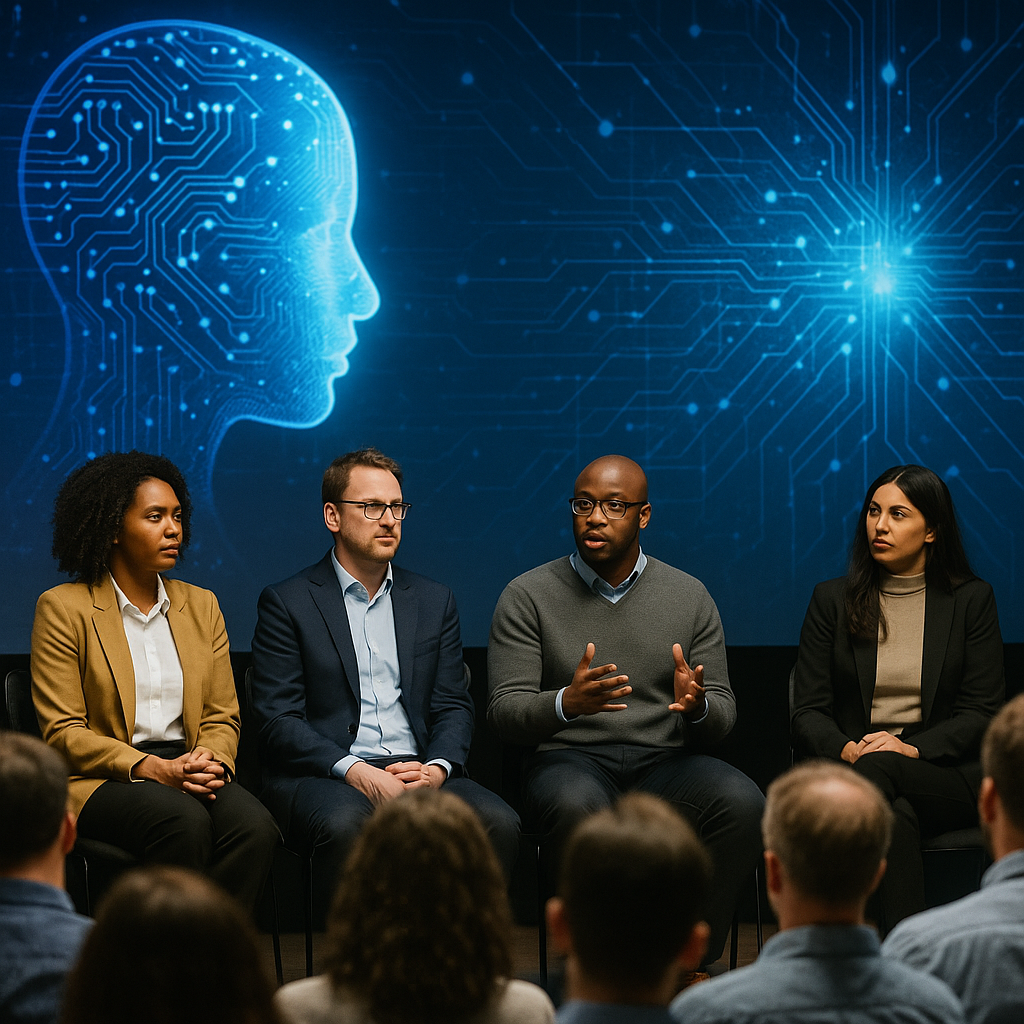
As of today, Artificial Intelligence sits at a crossroads, heralding a mix of opportunity and upheaval. For CEOs and other tech leaders tempted to lead from the front without reckoning with AI’s complexities, Aaron Levie’s “AI psychosis” observation is a warning shot. The temptation to view AI as a silver bullet solution has already begun to intrude into job markets, product roadmaps, and even societal conversations about automation and equity.
Yet, optimism for a future mediated by AI remains strong, provided decision-making is informed, deliberate, and collaborative. Leaders can drive innovation by coupling enthusiasm for AI advances with the humility to learn from engineers, researchers, and users on the ground. In doing so, they can chart a course that avoids AI hysteria while still harnessing its transformative power responsibly.
As the rest of 2026 unfolds, the biggest question won’t just be whether companies and their leaders integrate AI—it’s how. Will they combine ingenuity with caution, or fall victim to blind confidence? Watching this story develop will determine not only which companies thrive in the AI era, but how society at large will navigate the risks and rewards of our AI-infused future.