Images chosen by Narwhal Cronkite
Pentagon Puts Building Blocks in Place for Potential Cuba Invasion
The whispers of a renewed chapter in U.S.-Cuba relations are growing louder, but this time, it’s not about diplomacy—it’s about defense. Recent military developments suggest the Pentagon may be laying the groundwork for potential actions, raising questions about America’s strategy toward the socialist nation just 90 miles off Florida’s shores.
As reported by Politico, U.S. military officials have been quietly ramping up readiness protocols and revisiting strategies in the Caribbean. Though no formal announcements have been made, the shift in focus signals a complex reboot of American priorities in the region.
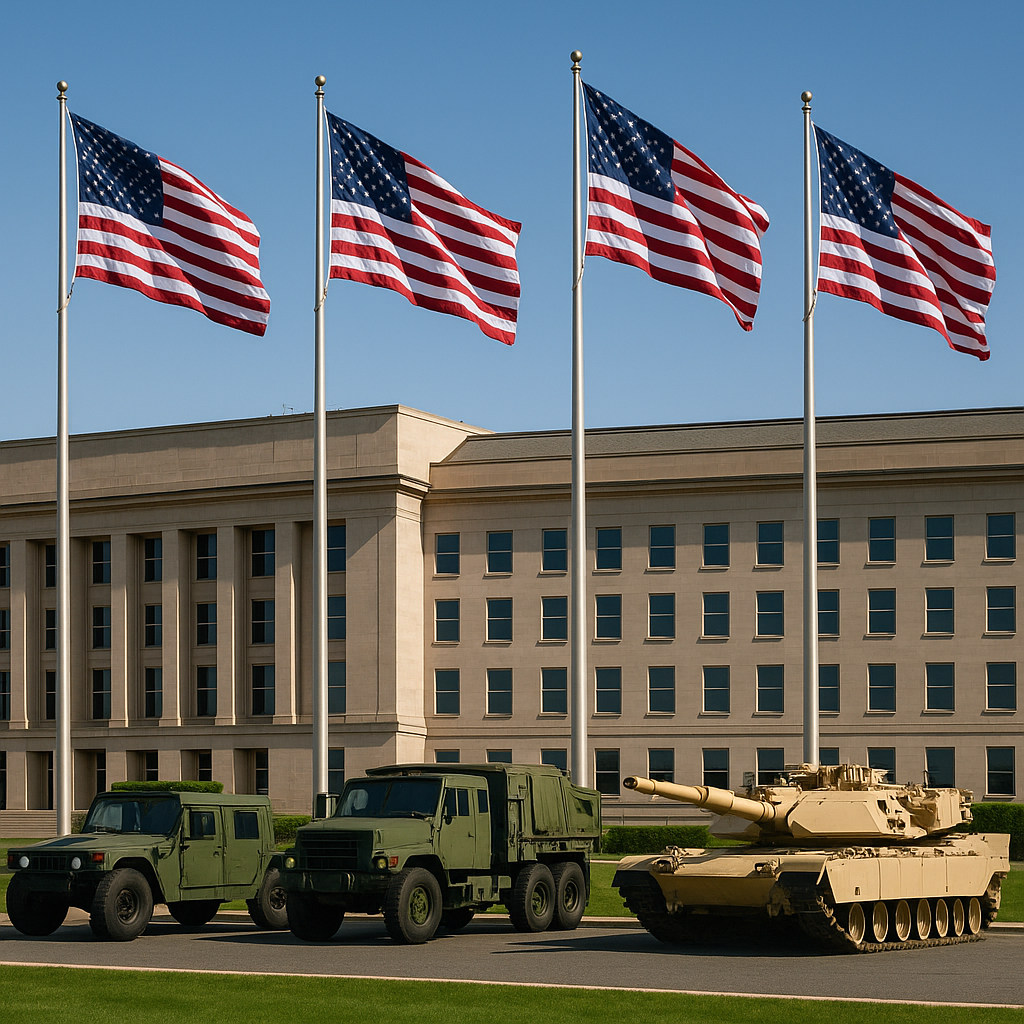
A History of Tensions That Never Truly Eased
The strained history between Cuba and the United States stretches back more than six decades, shaped by Cold War geopolitics, embargoes, and occasional thawing efforts. While President Obama’s administration ushered in a period of detente, successive administrations have adopted more rigid stances, citing human rights violations and military alliances between Cuba and adversarial nations such as Russia.
Today, analysts believe renewed tensions may stem from Cuba’s strategic alignment with key rivals of the U.S. According to Politico, concerns have arisen over Cuba’s growing economic collaborations with Moscow, its proximity to potential trade or military routes, as well as its influence in the broader Latin American region.
“The Pentagon’s increased presence in the Caribbean region is less about immediate action and more about creating contingencies,” said one defense expert familiar with the situation. “If history is any guide, both political and strategic interests are converging here.”
Infrastructure-Led Preparedness in Loudoun County
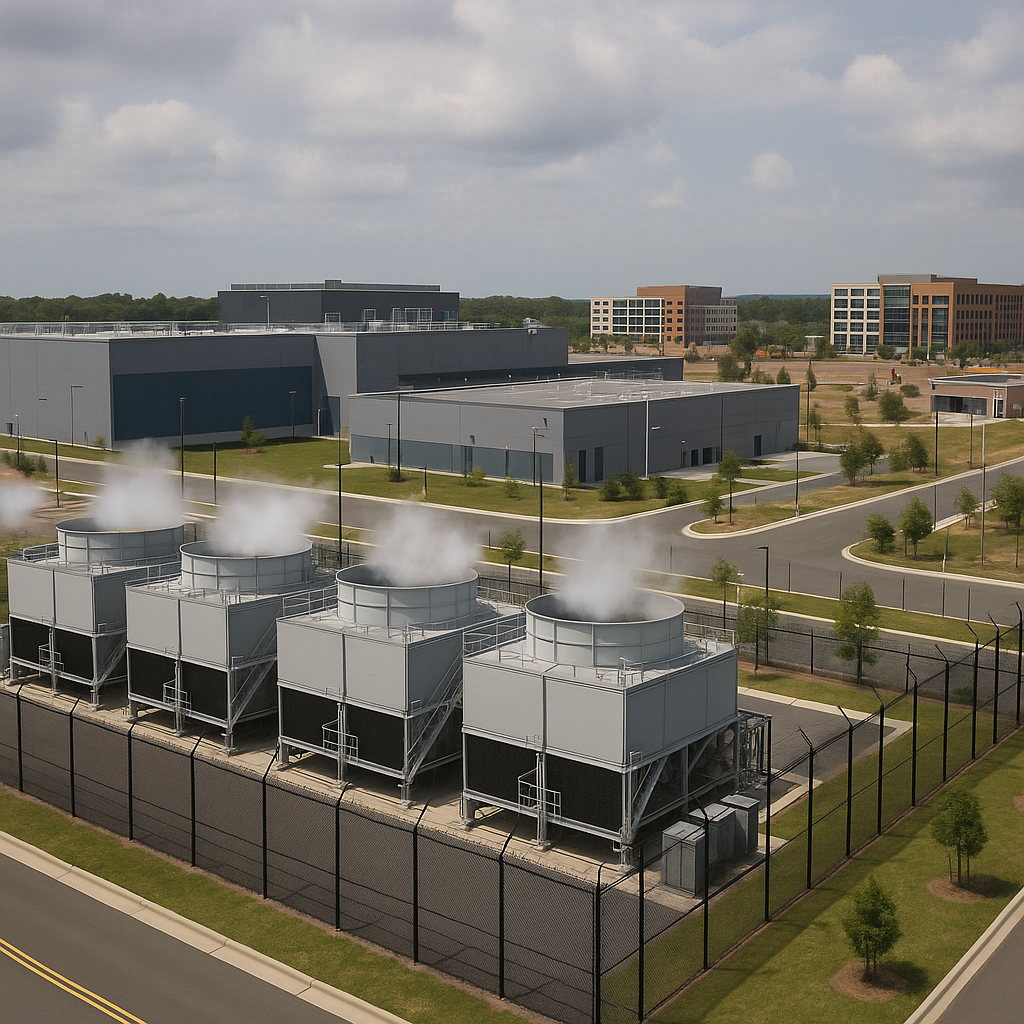
While military maneuvers grab headlines, they aren’t happening in isolation. In a seemingly unrelated yet geographically significant twist, Loudoun County, Virginia—known as “the data center capital of the world”—continues to expand its tech infrastructure. This may prove essential in terms of logistics and operational planning.
According to City Journal’s report on Loudoun’s economic boom, the county has become critical for processing military technology, intelligence, and secure communications. Growing investment in defense-adjacent capabilities further acknowledges the strategic importance of readiness infrastructure, even while broader controversies persist about the societal implications of data centers.
What Analysts Are Saying
Industry observers have voiced differing opinions regarding the Pentagon’s apparent recalibration toward Cuba. Some cite national security concerns, while others caution against the risks associated with escalating tensions in the region.
A defense strategist who wished to remain unnamed shared this insight: “The situation with Cuba is a confluence of returns to Cold War posturing and emerging threats. What makes it sensitive is that geopolitics now moves faster than it did decades ago. Decisions today risk immediate repercussions tomorrow.”
Meanwhile, tech specialists have pointed out how emerging technologies, particularly AI-driven strategy modeling, are influencing defense protocol. The adaptation of advanced algorithms in data centers across areas like Loudoun County enables simulations of hypothetical encounters, resource allocation planning, and risk management tied to operations in resource-abundant locales like the Caribbean.
The Larger Geopolitical Picture
Potential military actions related to Cuba exist at the intersection of several broader questions: How does the U.S. balance its power against adversaries like Russia and China within Latin America? What role does Cuba play in shaping opinion across its allied global bloc? And how might a conflict—even a small-scale one—impact the U.S.’s diplomatic presence in the region?
The Caribbean basin serves as a hotbed for strategic maritime operations. Enhanced naval activities in the area would significantly disrupt existing trade routes, potentially impacting private sectors reliant on smooth cross-Atlantic business connections. This ripple effect may be felt domestically and internationally, suggesting that even whispers of conflict could shape financial markets.

Implications and What to Watch For
For now, the Pentagon’s Cuba initiatives remain preparatory rather than operational, but the stakes are undeniably high. As more details and public announcements trickle out, observers will track the rhetoric from both U.S. leadership and Cuban officials. Signs of economic impacts, like rising energy costs or fluctuations in export trends, could offer indicators of how far such measures will develop.
The expanding footprint in Loudoun County reminds us of the deeply entrenched connections between military logistics and civilian technology infrastructure. Analysts may find it worthwhile to monitor industry movements alongside Pentagon activities.
Whether this quiet buildup results in action or merely serves as leverage for future negotiations, it’s clear that the region—and the world—will be keeping its eyes closely trained on Cuba’s northern neighbor.