Italian Prime Minister Giorgia Meloni publicly rejected a claim by U.S. President Donald Trump on Friday, June 19, 2026, calling his story that she “begged” him for a photograph at the G7 summit “totally invented.” Meloni’s pushback came hours after Trump made the claim in an interview with Italian television, according to Reuters, which first reported her response.
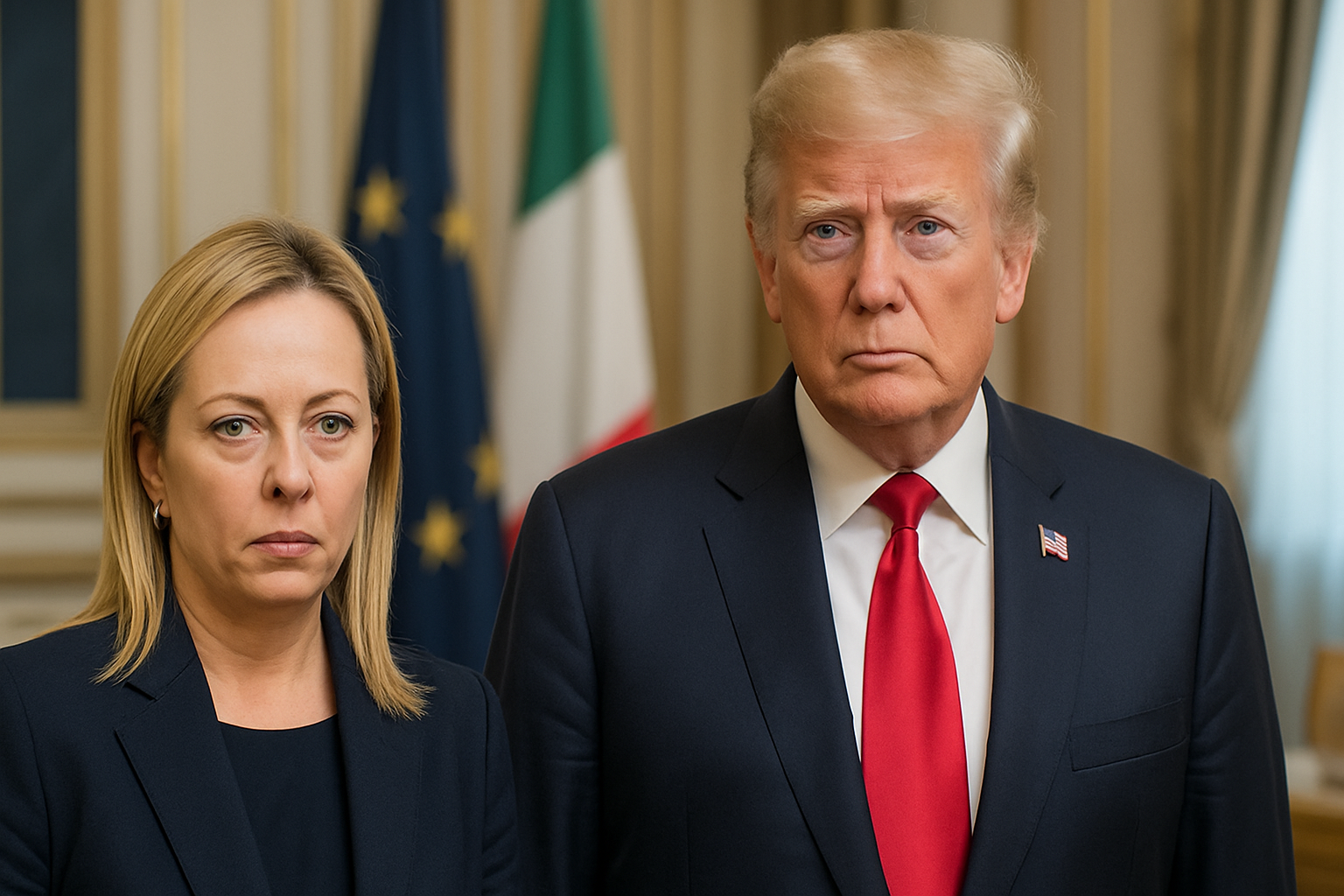
The non-obvious detail worth knowing: Meloni — one of Trump’s closest ideological allies in Europe — chose to fight back publicly rather than stay silent, a striking move given how carefully she has cultivated ties with the White House since Trump returned to office.
What Trump Said on Italian TV
Trump gave an interview to an Italian broadcaster in which he described Meloni approaching him at the G7 and pleading for a photo opportunity. He framed the exchange as a sign of his popularity and influence on the world stage. The claim landed quickly in Italian media and spread internationally within hours.
The G7 summit, held earlier this month, brought together leaders of the world’s seven largest advanced economies. Meloni, as one of Trump’s more reliably friendly counterparts in the Western alliance, had been seen as a stabilizing link between Rome and Washington.
Meloni Fires Back: “Totally Invented”
Meloni did not let the characterization stand. In a direct public statement, she called Trump’s account “totally invented” and made clear she had not sought out a photo with him in the manner he described. The Italian prime minister’s office did not soften the language or leave room for diplomatic ambiguity.
The response was notable for its sharpness. European leaders have generally avoided open confrontations with Trump, preferring quiet back-channel corrections over public disputes. Meloni’s decision to contradict him on the record signals that even leaders who lean toward his political worldview have limits on what they will absorb without a response.
A Friendship Under Strain?
Meloni’s government has positioned Italy as a reliable U.S. partner within NATO and the broader G7 framework. She was among the first European leaders to secure a White House meeting after Trump’s return to the presidency and has largely avoided the friction that countries like France and Germany have experienced with his administration.
That context makes her public rebuttal more significant, not less. Allies who publicly correct a U.S. president over a social slight — rather than a policy dispute — are sending a message about where personal dignity fits in the diplomatic relationship. For Meloni, who built her political brand on national pride and plain speaking, staying quiet may have been the harder option politically at home.
Italy’s domestic audience was also watching closely. Trump’s interview was aired on Italian television, meaning millions of viewers heard his version of events before Meloni had a chance to respond. A delayed or muted reaction could have been read as tacit confirmation.
The Bigger Pattern at the G7
The episode is the latest example of tensions surfacing around the edges of what looked, on paper, like a successful G7 meeting. World leaders often manage public unity while private grievances simmer — and anecdotes told out of school have a way of reshaping how those summits are remembered.
Trump has a documented pattern of recounting social encounters in ways that other participants dispute. The dynamic puts allied leaders in an awkward position: challenge the story and risk a public feud, or say nothing and let the narrative stand. Meloni chose the former.
It is worth noting that disputes over who sought a photo with whom rarely carry lasting geopolitical weight. But they can shift the domestic political mood in ways that matter — especially in Italy, where Meloni’s image as a leader who commands respect on the world stage is central to her brand.
What Comes Next
Neither the White House nor Trump’s team had issued a formal response to Meloni’s rebuttal as of Friday evening. Diplomatic contacts between Rome and Washington are expected to continue normally, and no scheduled meetings have been reported as cancelled or postponed.
Whether Trump responds publicly — doubling down, walking back, or simply moving on — will shape how this plays out over the weekend news cycle. Meloni, for her part, appears to have said what she needed to say. The ball is now in Washington’s court.
For more on how world leaders navigate public disputes with major powers, see our recent coverage of Zelenskyy’s pointed messaging toward Moscow and how Finland’s major NATO shift is redrawing security relationships across Europe.