Images chosen by Narwhal Cronkite
OxyContin Maker Purdue Pharma Set to Dissolve After Judge’s Approval
In a landmark resolution to one of the most contentious health scandals in modern history, Purdue Pharma, the manufacturer of the opioid painkiller OxyContin, will cease to exist after a federal judge approved its criminal sentence. This decision marks the culmination of years of legal battles surrounding the company’s role in fueling the opioid crisis—a crisis that has claimed hundreds of thousands of lives in the United States alone.

The Legal Fallout: Inside Purdue Pharma’s Downfall
The verdict delivered by U.S. District Judge Madeline Cox Arleo on Tuesday finalizes Purdue Pharma’s fate, ordering it to pay $225 million as part of a broader legal settlement. According to HuffPost, this action resolves thousands of lawsuits brought against the company by states, municipalities, and individuals affected by the opioid epidemic. The company’s aggressive marketing of OxyContin has been widely criticized for downplaying the drug’s addictive potential while overstating its effectiveness for chronic pain management.
The dissolution of Purdue Pharma is an unprecedented move, as it involves transforming the company into an entity that will funnel its profits toward public health initiatives. The new structure, often referred to as a “public benefit company,” is aimed at mitigating the damage caused by the opioid crisis while providing funding for addiction treatment programs and prevention efforts. However, critics argue that this resolution lets the company’s owners—the Sackler family—off the hook financially and legally.
The Sackler Family’s Role and Controversy
An undeniable aspect of the Purdue Pharma scandal centers around the Sackler family, the billionaire owners of the company. While the Sacklers have agreed to relinquish control of Purdue Pharma as part of the settlement, they have largely avoided criminal charges. The family will contribute an estimated $6 billion to the settlement, but much of this wealth originated from their hands-on management of Purdue during the height of OxyContin’s sales, as reported by Newser.
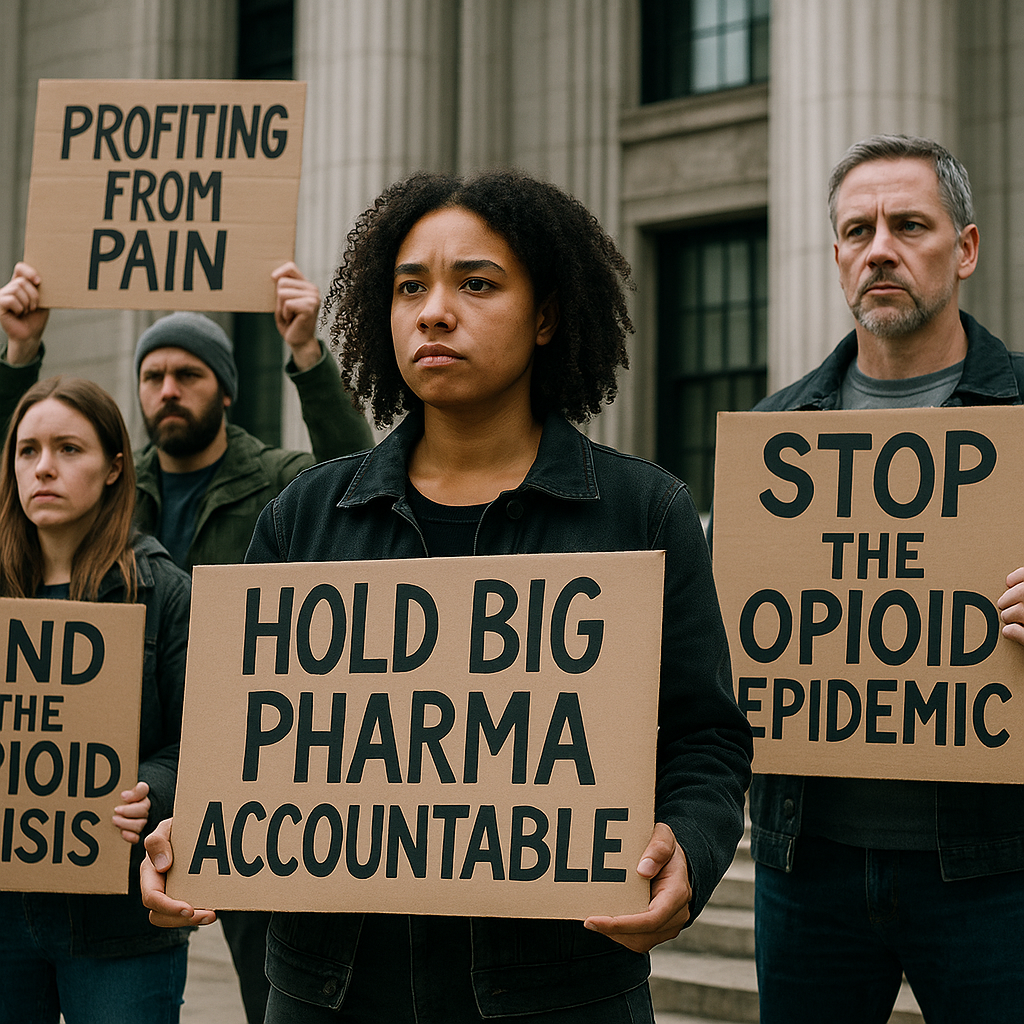
Advocacy groups and addiction survivors have expressed frustration with this outcome, calling it a slap on the wrist for a family that has amassed enormous wealth through morally questionable practices. Legal experts have also raised concerns about the precedent this settlement sets. “The Sacklers walked away without admitting personal wrongdoing, yet their legacy is indelibly tied to one of the deadliest public health disasters in decades,” said a criminal law analyst interviewed for this piece.
The Human Toll: A Crisis of Unimaginable Scale
The opioid epidemic has touched every corner of America, devastating communities and overwhelming healthcare systems. The Centers for Disease Control and Prevention (CDC) estimates that nearly 500,000 deaths were attributed to opioid overdoses between 1999 and 2019, with synthetic opioids like fentanyl exacerbating the crisis in recent years.
One of the most striking aspects of the Purdue Pharma scandal is the sheer scale of its impact. According to industry observers, OxyContin was marketed as a safer alternative to other opioids, a narrative that health professionals now regard as dangerously misleading. Purdue reportedly incentivized doctors to prescribe OxyContin through aggressive marketing strategies, creating a cascade effect of addiction that few saw coming.

What Comes Next?
As Purdue Pharma is reconstituted as a public benefit trust, many are asking whether this solution adequately addresses the systemic failures that allowed the opioid crisis to flourish. Experts argue that the dissolution alone will not prevent future abuses by other pharmaceutical companies. “This is a step forward, but regulatory gaps still exist. Corporate accountability must become a pillar of public policy,” said one public health advocate.
Additionally, questions linger about how effectively the settlement funds will be allocated. Will the money reach the hardest-hit communities? Will it fund evidence-based treatments and harm reduction programs? Past examples of similar settlements, such as the Big Tobacco lawsuits of the 1990s, suggest a mixed record of success in translating such payments into meaningful change.
Implications for the Broader Pharmaceutical Industry
The Purdue Pharma case serves as a cautionary tale for the broader pharmaceutical industry. The aggressive marketing practices that contributed to the opioid crisis are not unique to Purdue. Some experts believe this case could spur legislative efforts to impose stricter marketing regulations and enhance oversight of controlled substances. “This is not just about Purdue,” said a regulatory affairs expert. “It’s about an industry culture that prioritizes profits over public health.”
At the same time, there is growing concern that large settlements, while headline-grabbing, may fail to address the deeper structural issues that allowed the crisis to metastasize. Advocacy groups are calling for more comprehensive policies, such as mandatory data transparency for drug trials and increased penalties for executives who engage in fraudulent marketing practices.
What to Watch For
Looking ahead, the key question will be whether the dissolution of Purdue Pharma represents a meaningful step toward justice and recovery—or if it will become another symbolic gesture in a long history of corporate malfeasance. As the public benefit company takes shape, stakeholders will be scrutinizing its governance structure and its ability to deliver on its promise to combat the opioid epidemic.
This settlement also has the potential to influence ongoing litigation against other companies implicated in the opioid crisis. With lawsuits pending against manufacturers, distributors, and pharmacy chains, Purdue’s dissolution could set the stage for how accountability is pursued on a broader scale.
Ultimately, while Purdue Pharma’s dissolution marks a dramatic chapter in the story of the opioid epidemic, the work of repairing the damage—and preventing future crises—has just begun.