Images chosen by Narwhal Cronkite
The More Young People Use AI, the More They Hate It
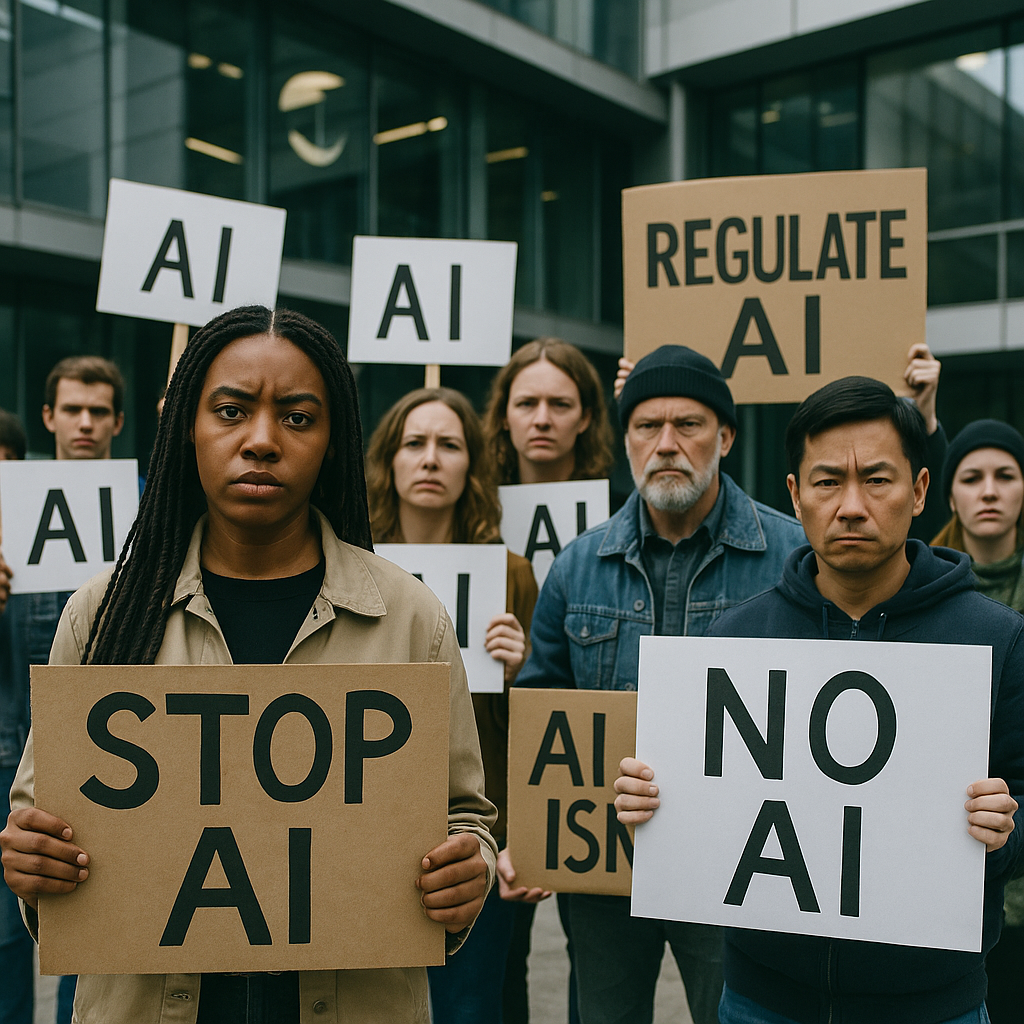
Artificial intelligence tools were supposed to transform life for Generation Z, streamlining daily tasks and unlocking new creative potential. Yet, despite aggressive marketing from tech companies, the reality couldn’t be more different. As AI tools like ChatGPT gain traction in schools and workplaces, an increasing number of young people are finding themselves at odds with the very technology they’ve been encouraged to embrace. Is this a mere growing pain in society’s adaptation to AI, or a sign of deeper discontent with the artificial intelligence revolution?
Gen Z and AI: A Reluctant Partnership
When it comes to adopting new technologies, Gen Z has always been at the forefront. From social media networks to the latest gaming platforms, members of this generation—born between the late 1990s and early 2010s—are digital natives. However, large language models like ChatGPT and generative AI platforms have proven to be a significant exception to this trend. According to a report by The Verge, while many young people use AI tools out of necessity, their relationship with these technologies is deteriorating.
The tension stems largely from a perception that AI is both unavoidable and unsafe. Meg Aubuchon, a 27-year-old art teacher based in Los Angeles, emphasizes this dilemma: “It just makes me want to dig my heels into a career where I never have to use AI, even if that’s a career that isn’t going to pay as well.” For Gen Z, using AI often feels less like an informed choice and more like a compulsory trade-off between staying competitive in the job market and compromising their values.

Behind the Growing Resentment: Key Concerns
So why, exactly, are young people souring on AI at such an unprecedented rate? Analysts point to several interrelated issues, each of which exacerbates the generation’s unease with automation and machine learning technologies.
Fear of Job Displacement
First and foremost, there’s no escaping the looming specter of widespread job loss. Reports from organizations such as the World Economic Forum have warned that generative AI has the potential to disrupt entire industries, with millions of jobs—particularly entry-level, creative, and administrative roles—at risk of automation. This has understandably set off alarm bells for a generation already navigating economic uncertainty.
Ironically, many employers are doubling down on AI adoption as a pre-requisite to employment, insisting that familiarity with these tools is essential for young professionals. This has placed Gen Z in a near-impossible position: learning to work alongside the very technology that could one day render them obsolete.
Ethical and Environmental Implications
Beyond job security, Gen Z is leading the charge in questioning the ethics of artificial intelligence. As reported by Yahoo, concerns about AI’s impact on privacy, bias, and disinformation are well-documented. Young people are particularly troubled by incidents of machine learning models perpetuating harmful stereotypes or exacerbating systemic inequalities.
Meanwhile, the environmental toll of AI has not gone unnoticed. Generative AI tools require vast computational resources, which in turn consume enormous amounts of energy. Data centers powering these models often rely on non-renewable energy sources, raising further concerns among climate-conscious young people.

Impact on Human Connection
Perhaps the most unexpected objection comes from the emotional realm. Many young people worry about AI’s effects on genuine human interaction. Meg Aubuchon likened the rise of AI to an erosion of social skills and empathy: “The part that feels scariest to me is the human impact. It impacts people on an individual level and how they relate to other people, whether that be their ability to have relationships or just basic communication.”
In environments like education and customer service, the replacement of human touch with algorithmically-driven responses can feel cold and dehumanizing. For a generation that deeply values authenticity, this shift is not just inconvenient—it’s alienating.
The Role of Silicon Valley in Shaping Perceptions
Tech companies like OpenAI and Google have framed AI as an inevitable progression in human innovation, often touting its ability to drive productivity and accessibility. However, critics argue that this optimistic narrative fails to account for the societal costs of rapid AI deployment. According to industry observers, Silicon Valley’s multitrillion-dollar investment in AI has engendered a backlash precisely because it feels disconnected from most people’s lived realities.
“It’s less about hating the technology itself and more about the way it’s being forced on us,” explains a tech policy analyst. The Verge report describes how advocacy from major corporations often comes across as overly coercive, making AI seem less like a helpful tool and more like an unavoidable mandate. Gen Z, already skeptical of profit-driven motives, has been especially resistant to these marketing efforts.
Where Do We Go From Here?
As generative AI becomes increasingly integrated into everyday life, the concerns of Generation Z should not be dismissed. Their apprehension reflects a broader need to reevaluate how society approaches new technologies. Policymakers, educators, and technologists alike will need to collaborate in addressing challenges related to job security, ethical standards, and regulatory oversight.
Interestingly, some companies are already exploring ways to adapt AI tools to better align with public values. Innovations in energy-efficient machine learning and transparency in algorithmic functions are just two examples of how businesses can bridge the gap between technological potential and societal trust. Still, deeper conversations about workplace equity, environmental sustainability, and human connectivity are required to foster long-term acceptance.
Conclusion: A Crucial Moment in AI Adoption
The relationship between Gen Z and artificial intelligence is emblematic of a larger cultural reckoning with technology. It raises important questions about how innovation should be deployed, who it ultimately serves, and at what cost. While AI offers undeniable benefits, it is clear that its integration cannot come at the expense of human dignity, trust, and opportunity. For now, the discontent among young people serves as a potent reminder that technological progress is not synonymous with meaningful progress.
Looking ahead, all eyes will be on Silicon Valley and policymakers to see whether they can navigate this delicate inflection point. The future of AI—and its place in society—may well hinge on how these concerns are addressed in the coming years.