Images chosen by Narwhal Cronkite
Chinese Courts Rule Against Firing Workers Solely for AI Replacement
In a landmark ruling, Chinese courts have taken a firm stance on the rising tide of workplace automation. Companies in China can no longer legally terminate employees solely to replace them with artificial intelligence (AI), a move that establishes a significant precedent for labor rights as AI rapidly transforms various industries. This decision, handed down in Hangzhou, is sending ripples across the global tech and business landscape, raising questions about the ethical and legal limits of AI adoption.
AI vs. Workforce: The Core of the Conflict
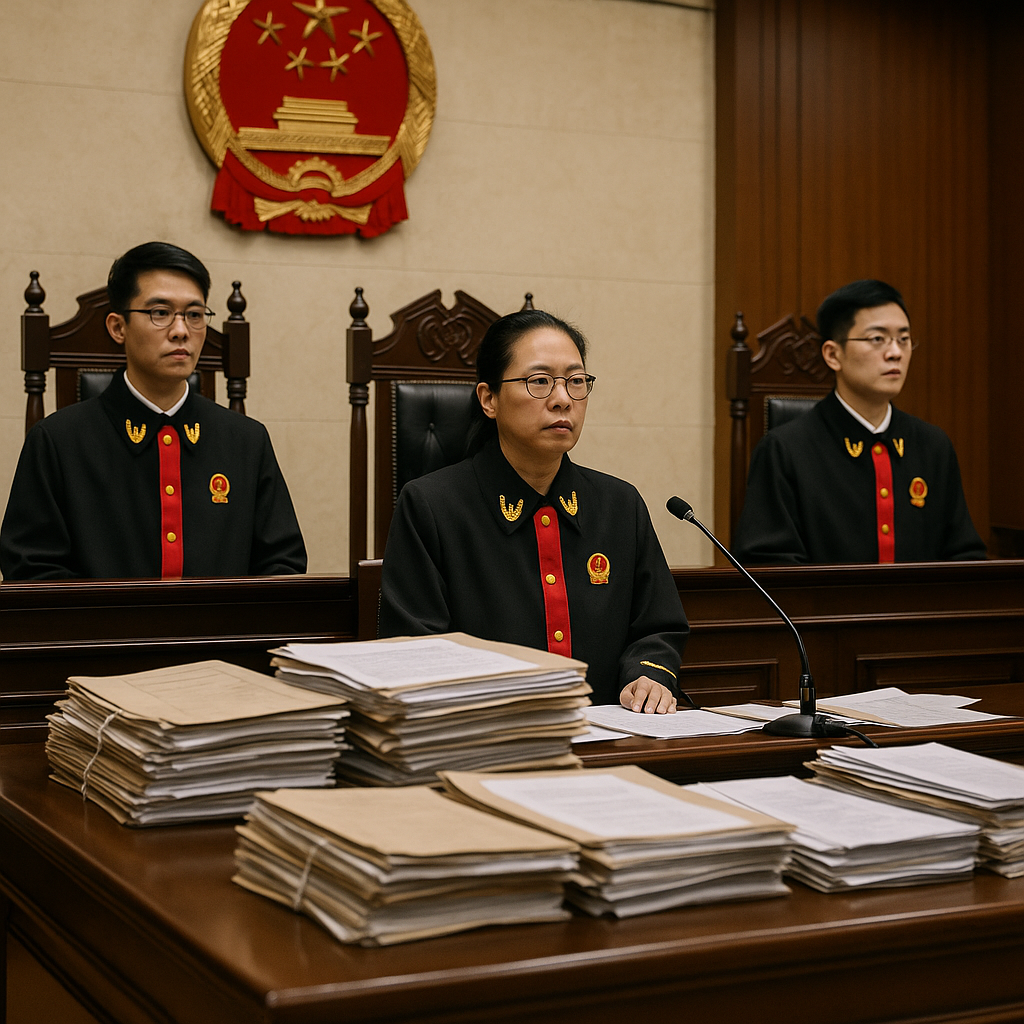
The case that brought this issue into sharp relief involved Zhou, a quality-assurance employee at a prominent tech firm in Hangzhou. Zhou’s job centered on verifying AI-generated sentences, but with advancements in AI, the company deemed Zhou’s role redundant. To cut costs, they proposed reassigning him to a different department with a significant pay cut—from 25,000 yuan ($3,655) to 15,000 yuan ($2,193). Zhou refused the reassignment and was subsequently dismissed.
According to court documents, Zhou challenged the termination through arbitration and won compensation for wrongful dismissal. The company, dissatisfied with the outcome, escalated the matter to the Yuhang District Court, where the original arbitration ruling was upheld. The court emphasized that AI adoption does not constitute a legitimate “objective major change” required for lawful termination under current labor laws. Instead, the court mandated companies to explore retraining or reasonable reassignment of employees before opting for dismissal.
Legal Protections Catch Up to Automation
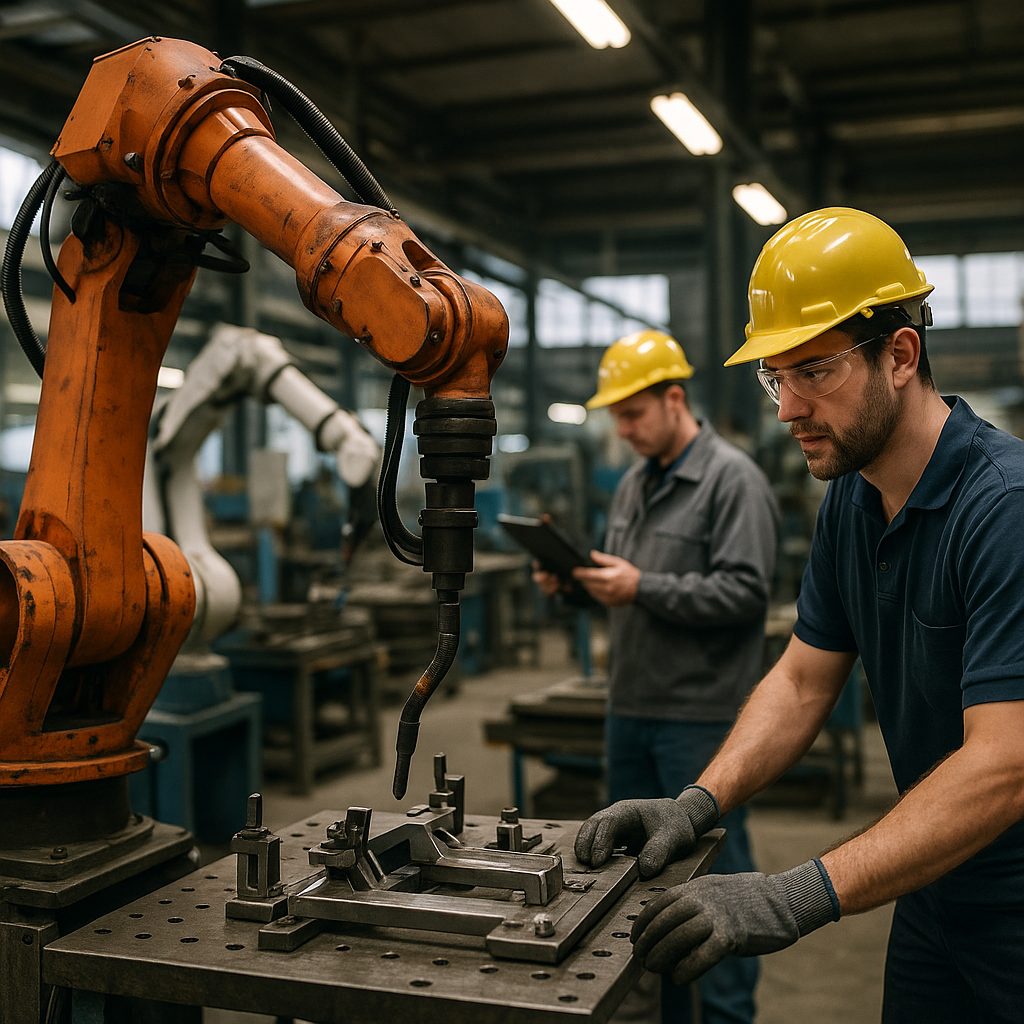
This ruling arrives at a time when the global tech sector is grappling with the tension between automation-driven efficiency and worker rights. China, as one of the world’s AI leaders, has seen an accelerated push to incorporate machine learning into industries ranging from manufacturing to finance. However, this court decision suggests that technological progress cannot come at the expense of the workforce.
“This isn’t just about labor rights, but also social stability,” said a legal observer familiar with China’s labor regulations. Companies are now obligated to ensure that automation does not lead to abrupt mass layoffs or long-term unemployment. In a second case, a Beijing company faced legal scrutiny for replacing Liu, a manual data processor, with AI. The court ruled the move was a deliberate business decision rather than an unforeseeable circumstance, awarding Liu appropriate compensation.
Global Implications: A Cautionary Tale?
China’s decision to rein in AI-induced layoffs has sparked global debate. As reported by outlets like Lawfare and PBS, the intersection of human labor and AI has become a critical legal and ethical question. For Chinese companies, the ruling underscores the need for robust workforce transition plans when adopting AI.
According to reports, legal frameworks in other regions are watching closely. For example, ongoing controversies in the U.S. around the use of technology by corporations like Cisco have highlighted the broader implications of tech-enabled workforce disruptions. If this precedent gains traction globally, companies may face stricter regulations surrounding AI integration and worker treatment.
The Growing Cost of Neglecting Retraining
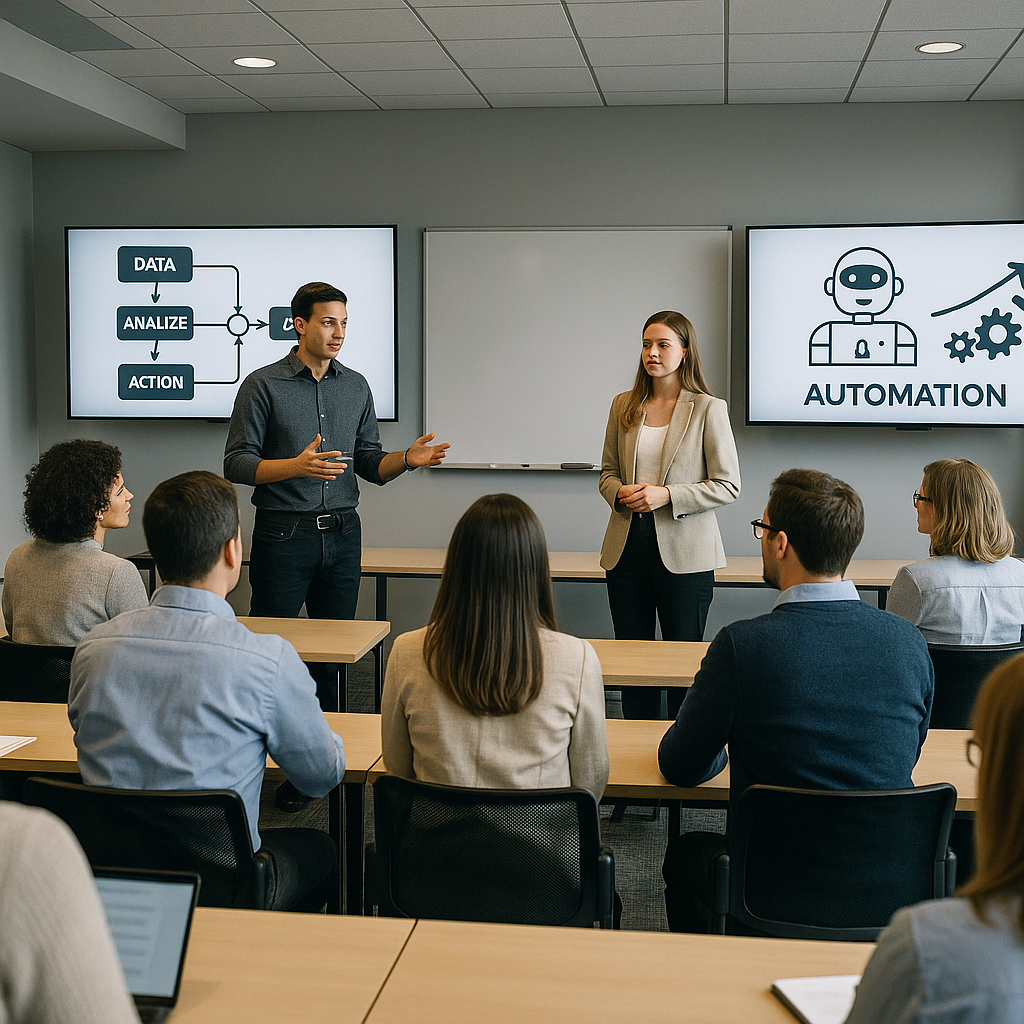
Experts argue that companies will now be incentivized to invest in workforce retraining rather than risk lengthy and costly labor disputes. AI, though efficient, cannot always replicate the nuanced decision-making of human employees. Studies have shown that hybrid models combining human oversight and AI often yield the most reliable results in various industries.
“The long-term economic benefits of retaining skilled workers far outweigh the short-term cost savings from automation,” explained Dr. Lin Tao, a labor economist. “Knowledge workers can transition into higher-value roles if provided with appropriate training, which benefits both businesses and society.” Initiatives to upskill workers, such as programs funded by tech giants, could gain wider traction following this judgment.
Looking Ahead: What to Watch
This ruling shifts the conversation on AI’s role in reshaping the workplace and introduces new challenges for regulators, industries, and workers worldwide. As the automation wave continues, companies must strike a balance between embracing innovation and fostering inclusive growth. Key areas to watch include:
- Policy Updates: Will labor laws in other countries follow a similar template to protect workers from AI-driven redundancies?
- Corporate Compliance: How will companies in China adapt their strategies to align with the courts’ directives?
- Worker Retraining Models: Will we see an increase in industry-wide efforts to reskill employees?
By mandating a human-first approach to technological transformation, Chinese courts have charted a new roadmap for responsible AI adoption. As industries evaluate the economic and ethical trade-offs of automation, this case serves as a timely reminder of the enduring relevance of human labor in an increasingly machine-driven world.