Images chosen by Narwhal Cronkite
‘They Left Me No Choice’: Jerome Powell Isn’t Going Anywhere—Blocking Trump From Another Fed Appointee
In a bold and unexpected move, Jerome Powell, outgoing Federal Reserve Chair, announced Wednesday that he would remain on the Board of Governors after his chairmanship officially ends on May 15. This decision, according to Powell, stems from a cascade of legal actions by the Trump administration that have jeopardized the central bank’s independence. His choice underscores growing concerns about political interference in monetary policy and leaves the financial world pondering its ramifications.
A Historic Crossroads: The Fed and Independence
Since its inception in 1913, the Federal Reserve’s independence has been a cornerstone of its ability to manage the U.S. economy without undue political influence. Yet Jerome Powell asserted Wednesday that this independence is facing “unprecedented legal attacks.” The immediate catalyst for Powell’s decision was the conclusion of an investigation by the U.S. Attorney for the District of Columbia, Jeanine Pirro, into the Fed’s headquarters renovation project. While the criminal probe was closed on Friday, Pirro left the door open to reopening it in the future.
Powell made clear that remaining on the Board of Governors was not his original plan. “I had long planned to be retiring,” he said during his final press conference as chair. “The things that have happened in the last three months have left me no choice but to stay until I see them through.” While he declined to specify a departure date, Powell will technically be able to remain in the governor role until January 2028.
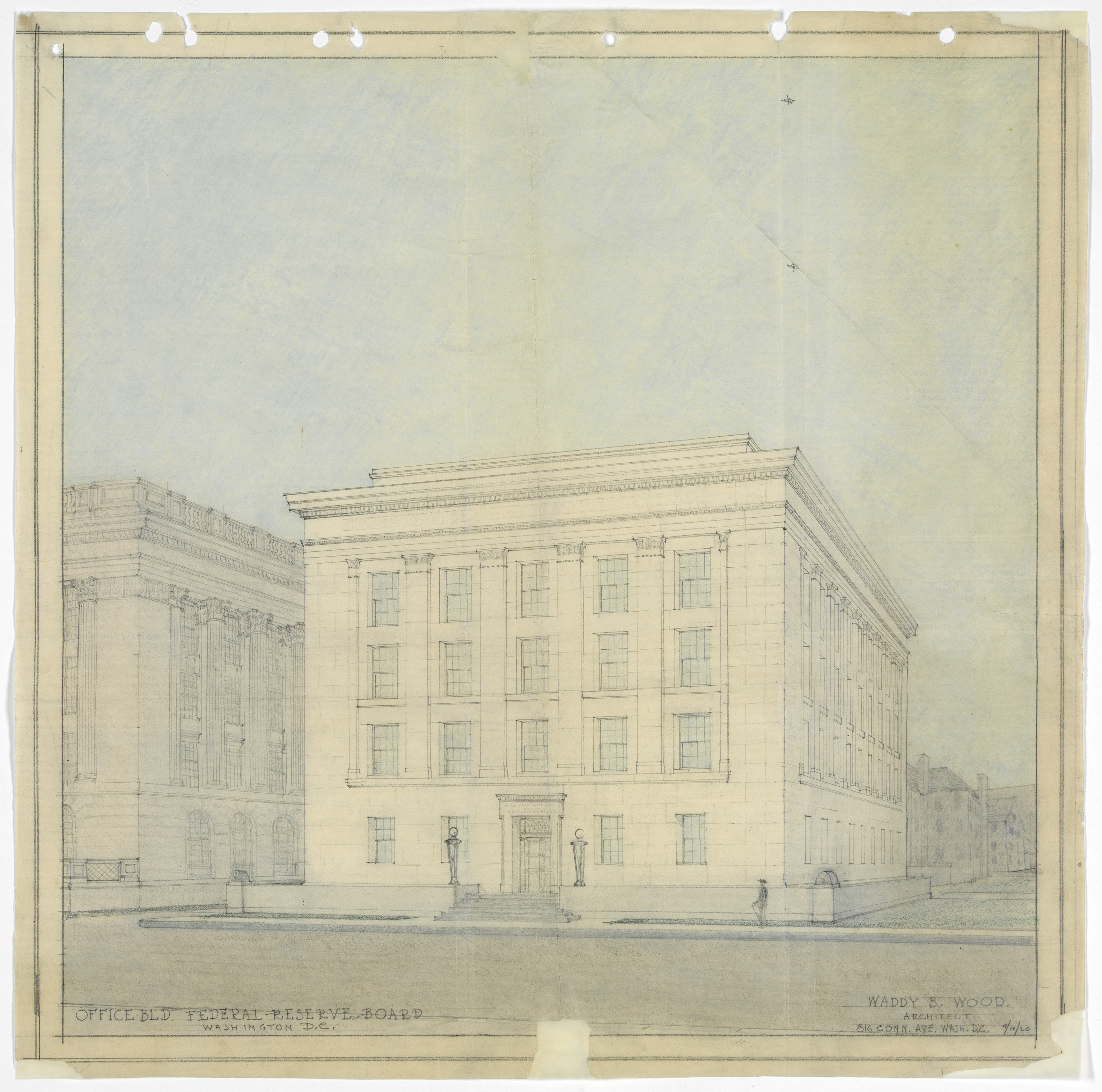
Wood, Waddy B. (Waddy Butler), 1869-1944 (NARA record: 10568349) (Public domain)
The Immediate Impact: Fed Dynamics in 2026
The timing of Powell’s decision is critical. On the same day, the Senate Banking Committee advanced President Donald Trump’s nominee for the Federal Reserve Board, Kevin Warsh, to a full Senate confirmation vote. Warsh has been vocal about his desire for a “regime change” at the Fed and has championed a shift in inflation policy. Analysts have speculated that Warsh’s nomination signals Trump’s intent to push the Fed in a more dovish direction, favoring looser monetary policy to further economic growth ahead of the 2028 election cycle.
Powell’s continued presence on the Board effectively blocks Trump from filling his seat with another appointee, limiting the administration’s influence over the Federal Reserve’s decisions. Powell’s announcement also coincided with the Fed’s decision to hold interest rates steady at 3.5-3.75%, despite dissent from four officials. This marks the third consecutive meeting with no change in the federal funds rate, reflecting uncertainty in global markets and persistent economic risks.

Legal Pressure and Political Calculations
Powell dismissed assertions that his decision to stay was politically motivated. “I’m literally staying because of the actions that have been taken,” he said, emphasizing that his goal is to see “this investigation well and truly over, with transparency and finality.” According to CNBC, Powell’s choice signals apprehension that ongoing legal scrutiny, paired with the possibility of reopened investigations, could distract from the central bank’s core mission of ensuring economic stability.
Powell also assured reporters that he would adopt a “low profile” as a governor and would not act as a shadow chair. “The tradition at the Fed is that governors understand how difficult the role of chair is. You try to collaborate with the chair and support them when you can,” he said.
A Shifting Political Landscape: What Comes Next?
Powell’s decision epitomizes a broader trend in U.S. politics, where lines between financial policy and political strategy have begun to blur. Trump’s nominee Kevin Warsh, for example, is known for his preference for more flexible monetary policies. Warsh’s proposed policy shifts have caused significant debate in financial circles, with advocates citing the need for innovation in inflation control and critics warning that they could destabilize economic fundamentals.
According to The New York Review of Books, Trump’s broader strategy is to sow unpredictability, capitalizing on both real and perceived chaos to achieve his goals. Analysts have pointed out that figures like Warsh and Jeanine Pirro represent the administration’s commitment to recalibrating institutional balances of power, including those of the Federal Reserve.
Implications for the U.S. Economy
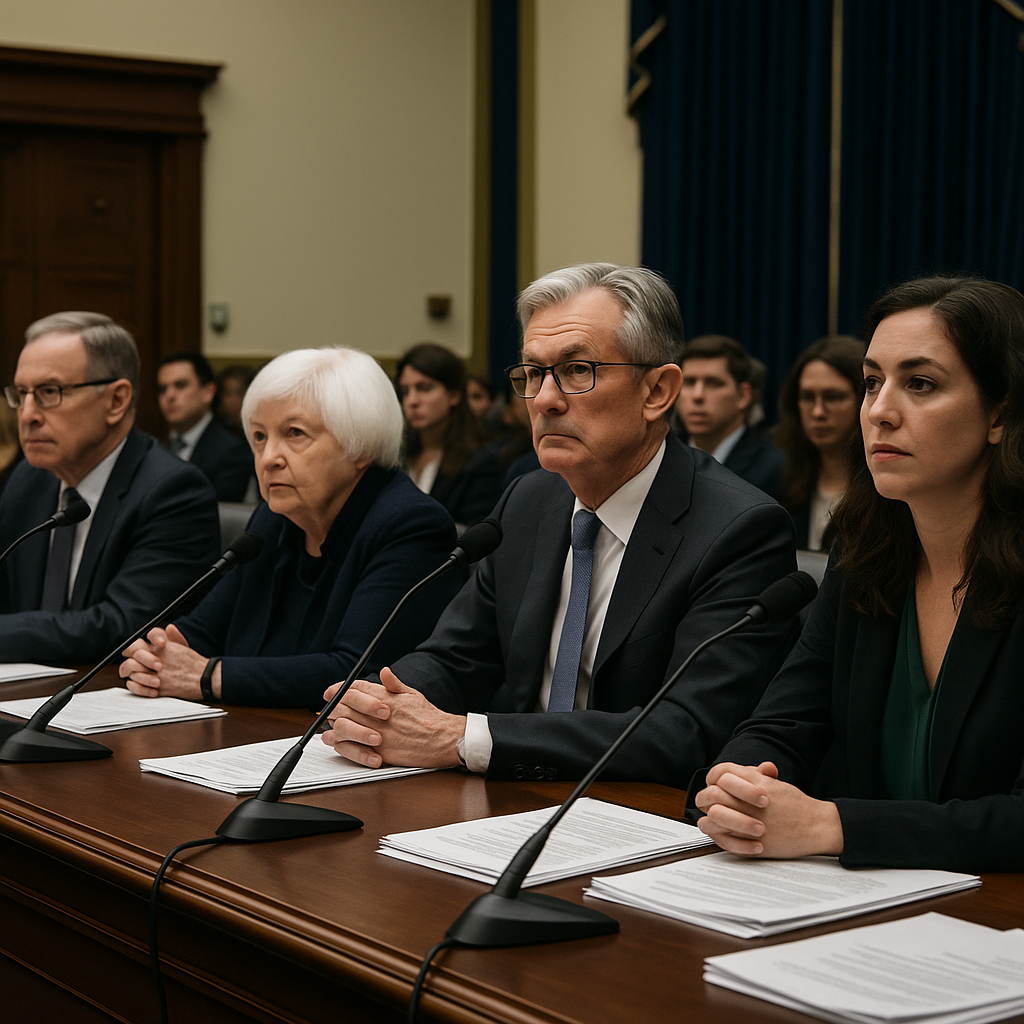
Powell’s decision to stay, coupled with Trump’s nomination of Warsh, creates a highly dynamic and uncertain environment for monetary policymaking. Industry observers have noted that Powell’s continued presence could act as a stabilizing force, countering Warsh’s aggressive policy proposals that have divided expert opinion. However, the political tug-of-war over the Federal Reserve’s composition may stoke further financial volatility if unresolved.
For now, the immediate sticking point remains interest rates. With inflation still lingering above pre-pandemic benchmarks and global economic headwinds mounting, the Fed faces critical decisions about adjustments that could influence everything from consumer spending to housing prices. Powell’s leadership, even in a reduced capacity, could help maintain continuity during a volatile period.
What to Watch For Next
Going forward, several key developments bear close monitoring. First, whether Kevin Warsh’s confirmation progresses smoothly through the Senate or encounters additional political roadblocks. Second, the extent to which Powell’s commitment to “low profile” governance succeeds in deterring accusations of interference in Fed operations. Lastly, the handling of any reopened investigations into Powell’s tenure will serve as a bellwether for how the administration balances political priorities with economic stability.
The intersection of politics and monetary policy has always been fraught, and Powell’s decision reinforces just how high the stakes are. As the Federal Reserve enters uncharted territory, the world will be watching closely to see how America navigates its own balancing act between political influence and economic independence.