Images chosen by Narwhal Cronkite
King Charles Playfully Highlights His Role as Canada’s Head of State to Trump
In a moment that blended history, humor, and diplomacy, King Charles III subtly reminded former U.S. President Donald Trump of the United Kingdom’s constitutional ties to Canada during a White House dinner. While the gesture was lighthearted, the exchange underscores an important reality about Canada’s governance and the complexities of its relationship with its southern neighbor.
Royal Wit Meets Diplomatic Reminder
Tuesday evening’s state banquet, held in Washington, D.C., was intended to be an occasion to celebrate global partnerships, particularly as the U.S., Canada, and Mexico prepare to co-host the FIFA World Cup. However, King Charles delivered remarks that combined historical perspective with a gentle correction aimed at President Trump’s frequent mischaracterizations of Canada’s political structure—often referring to the country’s prime ministers as “governors” and, at times, suggesting Canada could be considered the 51st state of the union.
King Charles playfully addressed Trump during his speech, saying, “In one sense, Mr. President, as heads of state, we are joint hosts.” The monarch added, not without a touch of humor, “Though, as the head of state of five competing countries, I suppose I’m rather fond of favorable odds.”
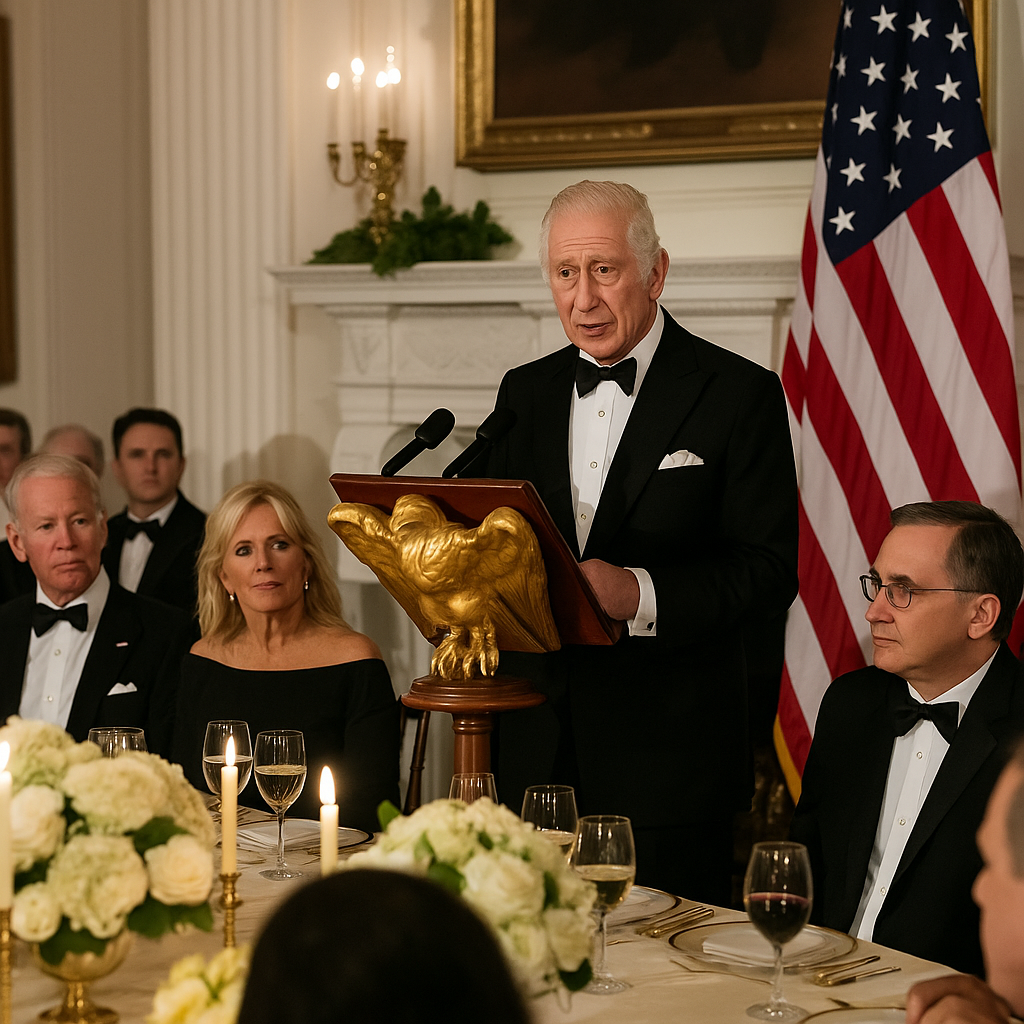
Observers were quick to note the blend of joviality and gravitas in the monarch’s words. In referencing key historical events like the War of 1812, King Charles appealed to a shared, though contentious, history between the nations. It was an astute attempt to reset the narrative while highlighting historical facts about U.K.-Canada relations that have often been overshadowed by the political discourse emanating from Washington.
Why Charles’s Message Matters
At first glance, the monarch’s remarks may appear as little more than a witty exchange at a formal dinner. However, the underlying context reveals deeper implications. Canada, while geographically close to the United States, operates under a parliamentary system with King Charles as its constitutional monarch. This often-overlooked detail has, at times, led to misunderstandings in U.S. political circles, where Canada is occasionally viewed more as an extension of the States than as a sovereign nation with its own governance.
John Paul Tasker, a veteran royal historian, believes the timing of King Charles’s reminder was strategic. “The message may have been subtle, but it was crucial,” Tasker said in a statement to the CBC. “The King wanted to calmly assert Canada’s sovereignty without adding fuel to the fire of rising tensions between the U.S. and its allies.”
For Canadians, the remarks served as a reassurance and perhaps even a source of national pride. “This isn’t just about jokes or sports odds,” said Arthur Milnes, a speechwriter for Canada’s former Prime Minister. “It’s a way to remind Canadians—and Americans—that Canada is more than just a friendly neighbor. It is an independent nation with a unique history and governance structure.”
The FIFA World Cup as a Diplomatic Spotlight
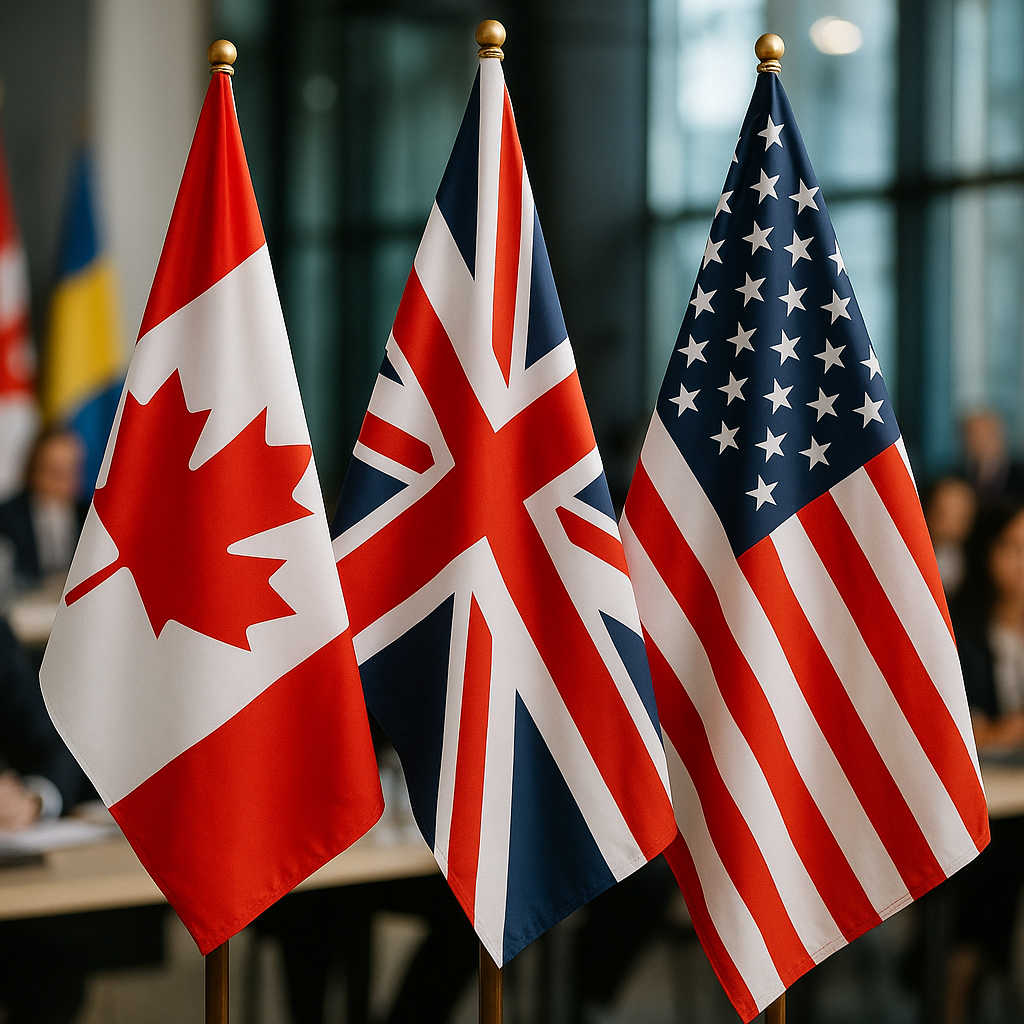
The upcoming FIFA World Cup, to be hosted across North America in 2026, formed the centerpiece of King Charles’s remarks. While the tournament is a sporting event, its staging across three countries provides a unique opportunity for regional collaboration and diplomacy. Yet, as Charles pointedly noted, the U.K.’s role as a constitutional monarchy encompasses multiple FIFA World Cup competitors, including Canada, the U.K., and Australia.
Trump, by contrast, represents the United States alone on the international stage, making Charles’s comparison a quiet but pointed nod to his broader spheres of constitutional influence. “This wider global perspective is what sets constitutional monarchies apart,” said Mia Richards, an expert in modern monarchies. “That influence spans continents in ways few republics can match.”
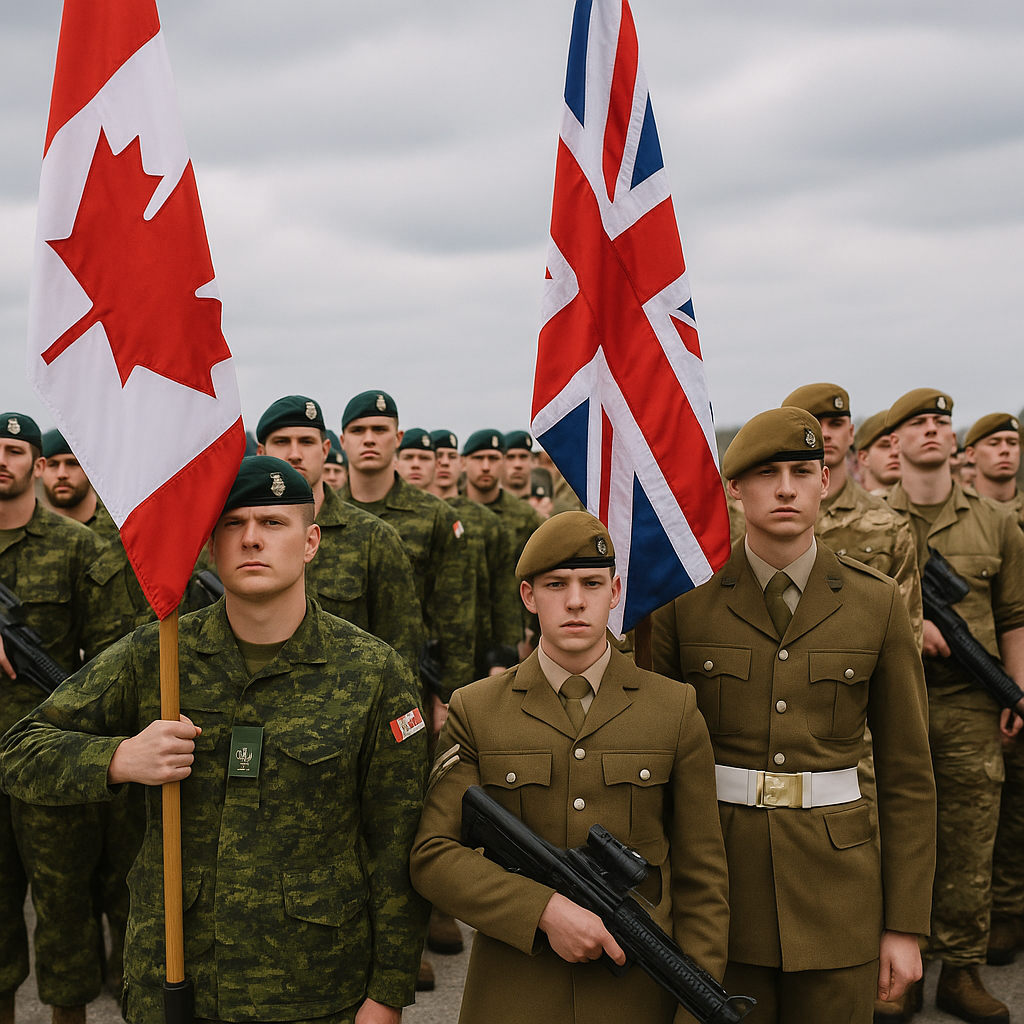
Interestingly, King Charles also referenced historical conflicts like the Seven Years’ War and the War of 1812 during his speech. Quoting historical events that predate modern Canada-U.S. relations served as a reminder of Canada’s distinct path toward confederation and its ties to the British Crown. “A little history lesson from time to time is a polite way of making the case for why sovereignty deserves respect,” Richards added.
Diplomatic Humor Amid Strained Alliances
Though the dinner carried its moments of levity, it occurred against the backdrop of increasing tensions between the U.S. and its international partners. Disagreements over trade, immigration policies, and global security have tested alliances that were once considered sacrosanct. In this environment, even playful remarks carry weight.
The U.S.-U.K. alliance remains strong, but political dynamics have shifted in both nations in recent years, with populist movements rising on both sides of the Atlantic. In light of such changes, King Charles’s emphasis on shared history and cooperation could be seen as an effort to rebuild bridges with smiles rather than sharp words.
“What Charles did was hold a mirror up to power—but he did so gently,” said Joanna Callahan, a senior lecturer in political communications. “By deflecting discord with humor, he reminded everyone in the room that diplomacy doesn’t require grandstanding. Sometimes, a simple acknowledgment of history is enough to realign perspectives.”
What to Watch for Next
The ripple effects of such remarks may not be immediately visible, but there are broader implications for North American diplomacy. As preparations continue for the 2026 FIFA World Cup, Canada’s role on the global stage is likely to grow, and how it asserts its identity alongside powerful neighbors like the U.S. will be a narrative worth following.
This episode also highlights just how relevant the monarchy remains in Canada’s modern political culture. While largely ceremonial, Charles’s position as head of state imbues his words with a weight that few other figures can wield. At a time when the geopolitical landscape is marked by volatility, such reminders may serve as a quiet force for stability.
Ultimately, the White House dinner will likely be remembered for its lighthearted moments, including the King’s playful jab at Donald Trump, but its significance runs deeper. It serves as both a celebration of partnerships and a subtle assertion of Canada’s autonomy—a balance that illustrates the delicate art of diplomacy.
Conclusion
As King Charles continues to navigate his role on the world stage, moments like these show how the position of the constitutional monarch can influence global dialogues. With humor and grace, Charles has once again illustrated the power of words in fostering understanding and reaffirming partnerships. As North America prepares to co-host one of the world’s largest sporting events, his remarks remind us of the strength that comes from embracing shared history while respecting sovereign boundaries.