The U.S. House of Representatives voted on June 9, 2026, to advance a sweeping $70 billion Republican immigration bill, moving one of the most expensive border-and-enforcement packages in recent memory closer to a full chamber vote, according to The New York Times.
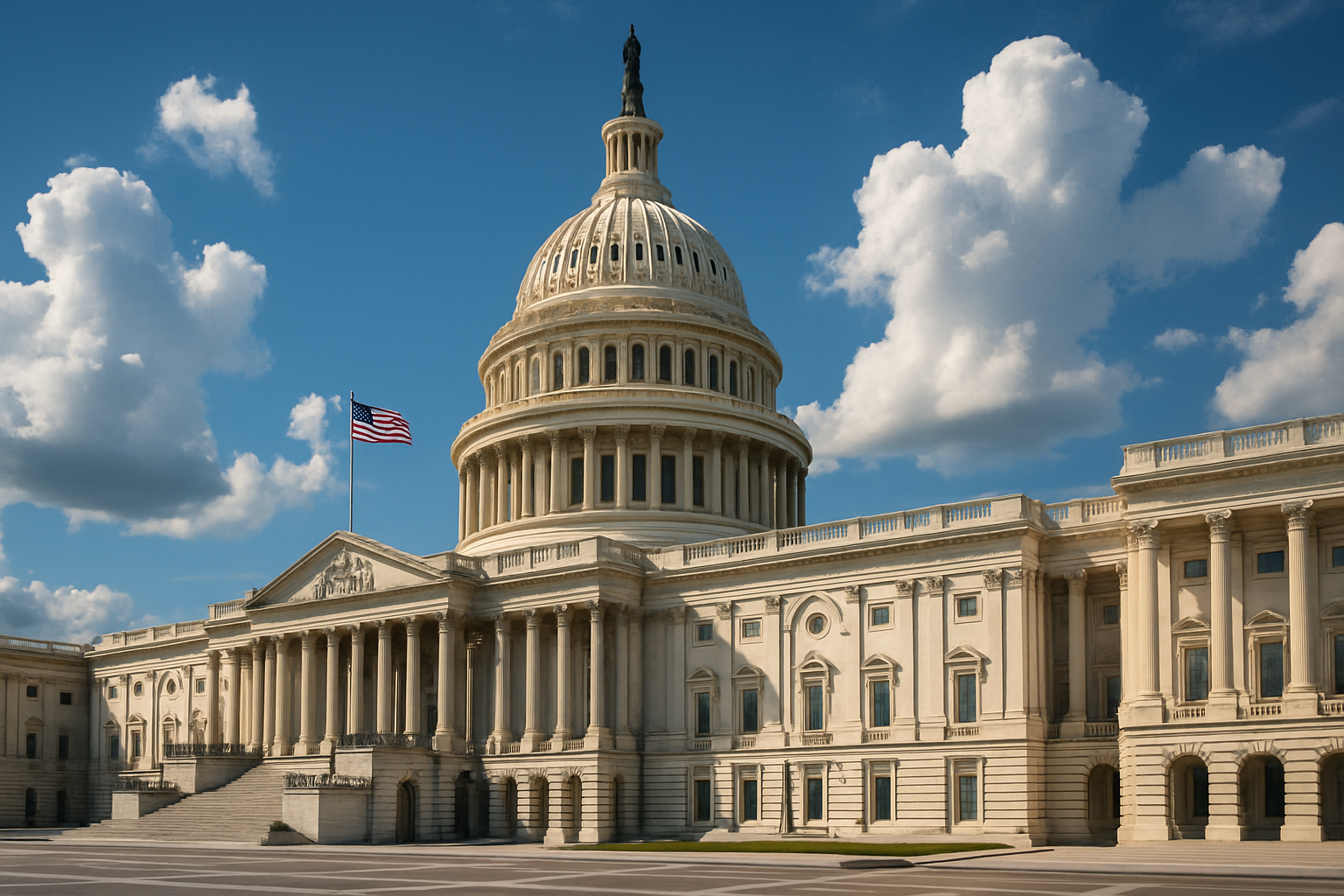
One detail that didn’t make most headlines: the $70 billion price tag would make this legislation among the largest single-bill immigration expenditures in U.S. history — dwarfing prior border security packages by a significant margin.
What the House Immigration Bill Actually Contains
The legislation bundles together several major immigration enforcement priorities. It includes substantial funding for border wall construction, expanded detention capacity, and a significant increase in the number of Border Patrol and Immigration and Customs Enforcement (ICE) agents. The bill also proposes tougher asylum restrictions and faster deportation proceedings.
The package was assembled largely along party lines, with House Republicans pushing it through the procedural vote needed to bring it to the floor for full debate and amendment. Democrats have broadly opposed the measure, arguing the spending priorities are misaligned and that the bill’s enforcement-heavy approach neglects pathways for legal immigration.
How the Vote Broke Down
The procedural advance passed with Republican support largely intact, though the margin remained narrow — a reflection of ongoing internal disagreements within the GOP caucus over specific provisions, including spending levels and the scope of enforcement powers granted to federal agencies.
A handful of moderate Republicans had raised concerns about the bill’s cost and its potential impact on immigrant communities with deep roots in their districts. Their votes proved critical to clearing the procedural hurdle.
Democrats argued the bill represents an extreme approach to immigration policy. Opposition members pointed to studies suggesting that mass deportation operations at the scale envisioned in the bill could carry long-term economic consequences, particularly in agriculture, construction, and service industries.
$70 Billion: Where Would the Money Go?
Breaking down that headline figure reveals a GOP immigration plan weighted heavily toward physical infrastructure and personnel. A significant share is earmarked for physical barriers along the southern border. Another large portion would fund expanded immigration detention facilities, which critics say are already overcrowded and under scrutiny from human rights organizations.
The bill also allocates funds for state and local law enforcement partnerships — a provision that has drawn both praise from some sheriffs’ associations and concern from sanctuary city advocates who worry it blurs the line between local policing and federal immigration enforcement.
Supporters of the border security funding argue that the investment is long overdue. Proponents say the current system is overwhelmed and that structural spending at this scale is the only way to create a durable solution.
What Happens Next in Congress
With the procedural vote cleared, the full House is expected to debate and vote on the bill in the coming days. Even if it passes the House, the legislation faces a steep climb in the Senate, where Republicans hold a majority but would still need to navigate procedural rules that may require broader bipartisan support to move forward.
Senate Democrats are expected to use every available procedural tool to slow or block the bill. Some Republican senators have also signaled they want significant changes before they would support a version in their chamber — particularly around cost and certain enforcement mechanisms.
Immigration legislation has a long history of stalling between the two chambers. The 2026 version of this fight is shaping up to follow a familiar pattern: House passage, Senate complications, and intense negotiation — or collapse.
Why This Bill Is Getting Attention Beyond Washington
Immigration has ranked as a top-three voter concern in polling throughout 2025 and into 2026. The congressional vote lands at a time when the broader political environment is charged — the 2026 midterm elections are only months away, and both parties are keenly aware that immigration is a defining issue for their respective bases.
For communities along the southern border, the stakes are immediate and practical. Local officials — from mayors to school superintendents — are watching closely, since many of the bill’s provisions would directly affect the resources and populations they manage daily.
For a sense of how large-scale spending battles play out in other arenas, the tensions around public money and community impact echo disputes seen in cases like the Utah residents suing officials over a major Kevin O’Leary data center plan — where federal dollars and local pushback collide in complicated ways.
The bill now moves toward a full House floor vote. Whether it survives the Senate, or gets reshaped beyond recognition in negotiations, will determine whether this $70 billion GOP immigration plan becomes law or becomes another chapter in Washington’s long history of stalled border policy.