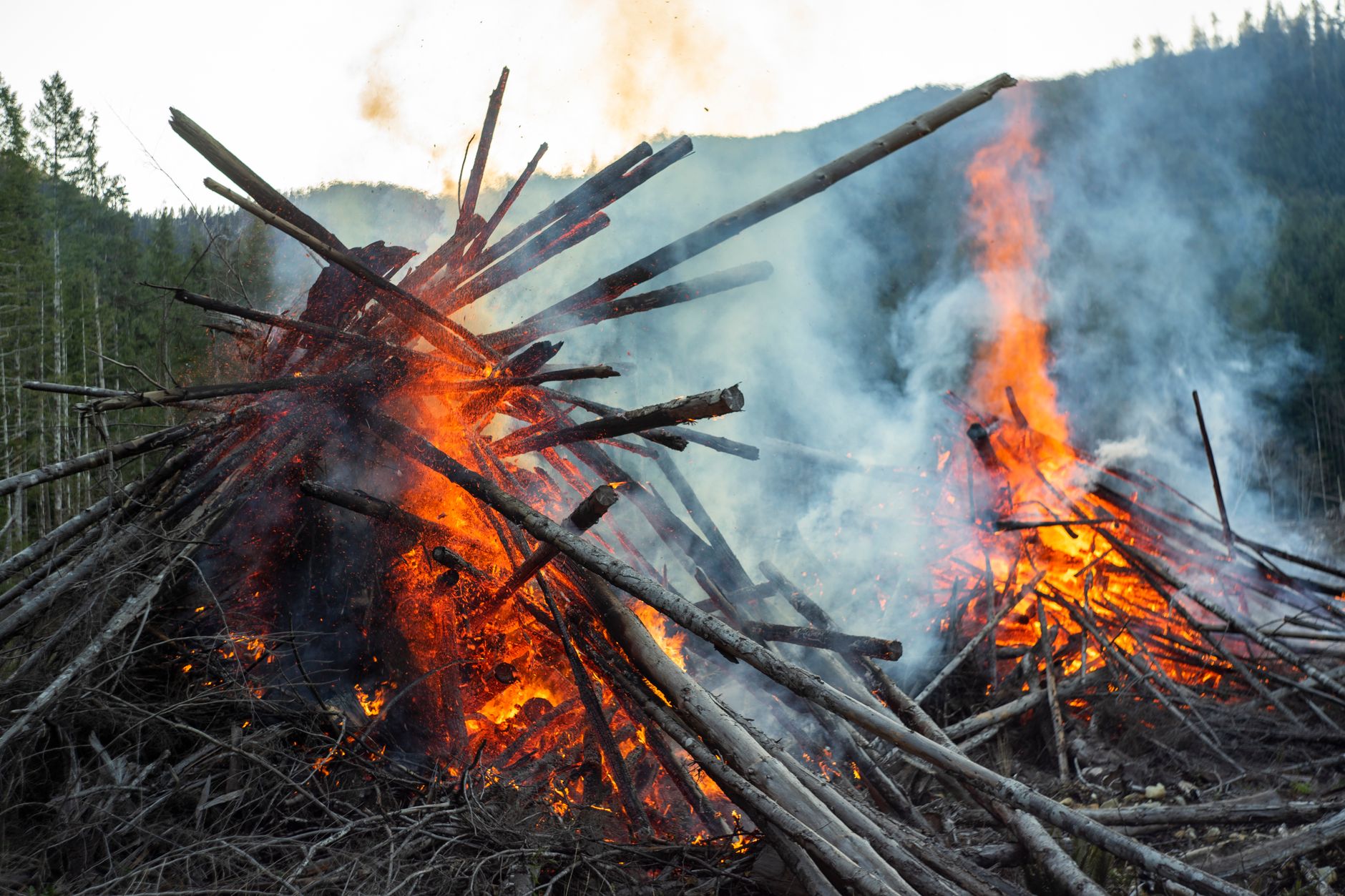
Thick smoke from wildfires burning across the western United States has drifted north into British Columbia this week, triggering air quality advisories in Vancouver and several interior communities, according to CTV News Vancouver. Provincial officials say the haze blanketing the Lower Mainland and parts of the Interior is being driven largely by fires south of the border rather than blazes within the province.
Smoke Crosses the Border
Environment Canada meteorologists say prevailing wind patterns have carried smoke plumes from active wildfires in Washington, Oregon, and California northward into B.C. airspace, settling over the Fraser Valley and Metro Vancouver in a persistent grey haze. Air quality monitoring stations across the region have recorded elevated concentrations of fine particulate matter, known as PM2.5, which can penetrate deep into the lungs and bloodstream.
The Metro Vancouver Regional District and the BC Ministry of Environment and Parks issued special air quality statements this week, warning that the Air Quality Health Index (AQHI) had climbed into the high-risk range in several areas. Officials noted that visibility has been noticeably reduced in some communities, with distant mountains and city skylines obscured by the smoke layer.
Health Warnings Issued
Public health authorities in B.C. are urging residents to take precautions while the smoke persists. Recommendations include:
- Limiting time spent outdoors, particularly strenuous exercise
- Keeping windows and doors closed and running air purifiers or HVAC systems with clean filters
- Watching for symptoms such as coughing, throat irritation, headaches, or shortness of breath
- Checking in on children, older adults, pregnant people, and those with asthma, heart disease, or other chronic conditions, who face the greatest risk
Health officials say symptoms typically ease once smoke clears but advise anyone experiencing severe difficulty breathing or chest pain to seek medical attention promptly. Some school districts and outdoor recreation programs in affected areas have adjusted or cancelled outdoor activities as a precaution.
A Recurring Cross-Border Problem
Smoke drifting across the Canada-U.S. border has become a near-annual feature of summer in the Pacific Northwest as wildfire seasons grow longer and more intense on both sides of the border. Climate scientists point to hotter, drier conditions, reduced snowpack, and prolonged drought as key factors extending fire seasons and increasing the frequency of large, smoke-generating blazes across the western United States and western Canada alike.
This year has already seen significant fire activity across the region. Smaller wildfires have also been reported closer to home, including a string of blazes that broke out across Utah over the past weekend, underscoring how widespread dry conditions have become across much of the western U.S. this summer.
Provincial officials say B.C.’s own wildfire risk remains a concern even as the current smoke event originates largely from American fires. The BC Wildfire Service continues to monitor conditions provincewide and has not ruled out the possibility that shifting winds could bring additional smoke from fires burning within the province in the coming weeks.
What Comes Next
Forecasters say the duration of the current smoke event will depend heavily on wind patterns and progress made by firefighting crews battling blazes in Washington, Oregon, and California. A shift in weather systems could clear the air relatively quickly, while continued southerly winds may prolong the haze into the weekend.
Environment Canada is continuing to issue updated air quality statements as conditions change, and residents are encouraged to check the national Air Quality Health Index tool for real-time readings in their area. Provincial health authorities say they will maintain heightened messaging around outdoor safety for as long as particulate levels remain elevated.
Officials are advising residents to treat the advisories as a moving target, checking local air quality readings daily rather than assuming conditions will remain the same from one day to the next.
The episode highlights the increasingly interconnected nature of wildfire smoke impacts across North America, where fires burning hundreds of kilometres away can significantly affect air quality and public health in communities far from the flames themselves. As fire seasons lengthen across the western United States and Canada, officials in both countries say cross-border smoke events are likely to become a more routine part of summer planning for public health agencies, school districts, and outdoor event organizers alike.
For residents, officials reiterated standard guidance during heavy wildfire smoke: limit strenuous outdoor activity, keep windows closed, and rely on air filtration where possible until conditions improve.