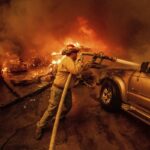
Several new Utah wildfires ignited across the state this weekend, according to a report published by KSL News Radio, Utah’s primary statewide news and emergency broadcaster. The fires remain small in acreage, but their number and geographic spread have prompted a coordinated response from state and local fire agencies.
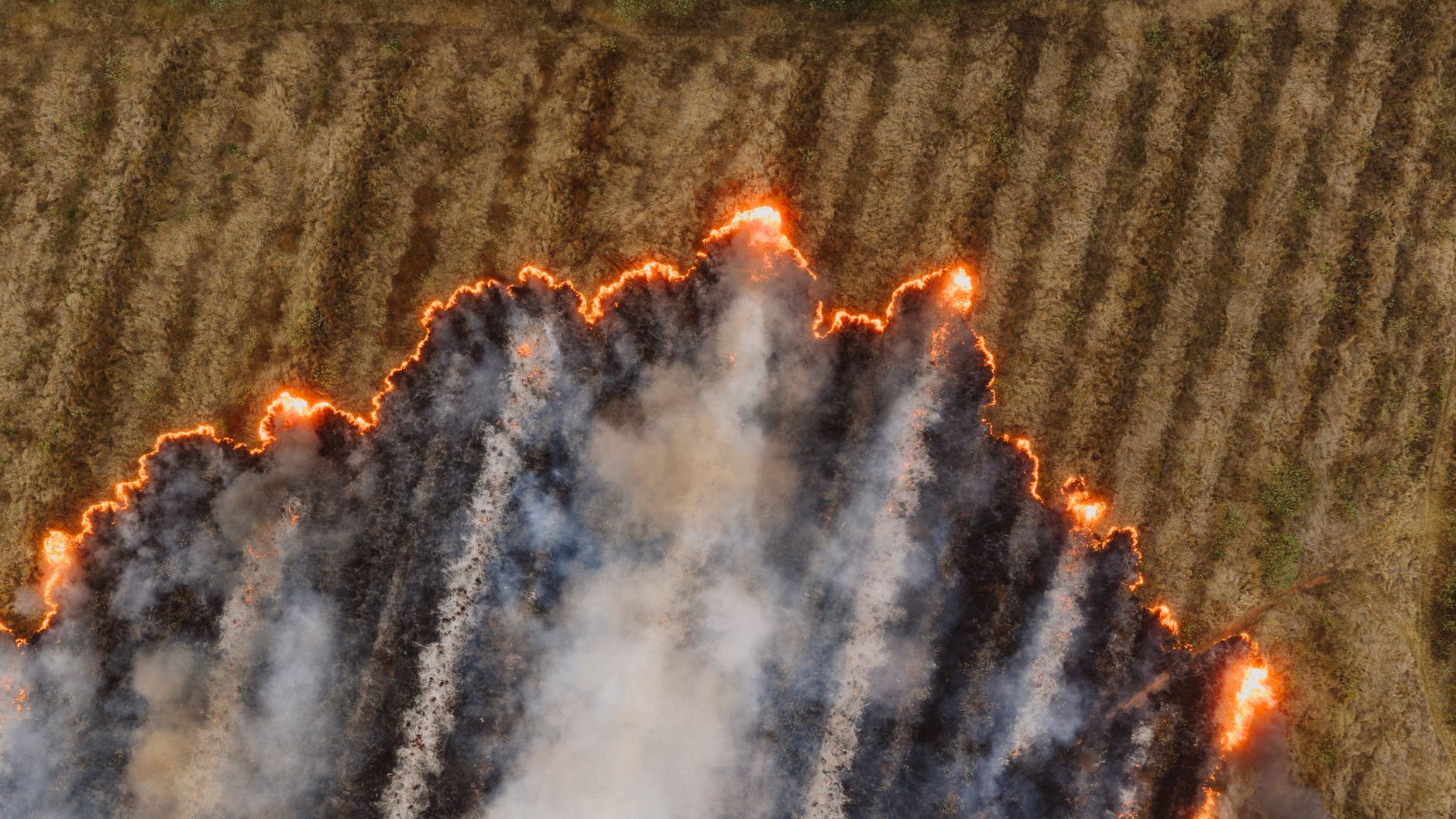
The non-obvious detail buried in the story: multiple fires broke out nearly simultaneously across different regions of Utah — not as a single wind-driven event, but as a cluster of independent ignitions, suggesting that fire weather conditions across the entire state have reached a critical threshold heading into the July 4 holiday period.
Where Utah’s New Fires Are Burning
The fires are scattered across several counties, covering terrain that ranges from high-desert scrubland to forested foothills. Utah fire season typically peaks between late June and August, but the volume of simultaneous starts this late in June is drawing attention from fire managers. Dry fuels, low humidity, and afternoon wind gusts have combined to push fire weather conditions into elevated-risk territory statewide.
Ground crews and air tankers have been deployed to multiple sites. Because the fires are still in early stages, containment efforts are focused on perimeter control before any single blaze can grow into a major incident. No structures have been reported destroyed, and no evacuation orders were in place at the time of initial reporting.
Fuel Loads and Heat Are Driving the Cluster
Utah has seen well-below-average precipitation across much of the state this spring, leaving grasses and brush drier than normal for late June. That fuel moisture deficit means even a small ignition — a lightning strike, a vehicle spark, or discarded debris — can establish quickly and spread before initial attack crews arrive.
The National Interagency Fire Center has flagged the Great Basin region, which includes most of Utah, as an area of elevated fire potential through at least July. Fire weather conditions — the combination of heat, low relative humidity, and erratic winds — are expected to persist through the coming week.
This pattern echoes what climate scientists documented after Europe’s record-breaking 2026 heatwave, where a rapid shift in atmospheric conditions allowed multiple fire fronts to ignite across a wide area in a short window. In Utah’s case, the immediate driver is a high-pressure ridge trapping heat across the interior West.
July 4 Weekend Raises the Stakes
Timing is a real concern. The July 4 holiday weekend — just days away — historically produces a spike in human-caused wildfire starts across the Mountain West. Fireworks ignite dry grass, campfires get left unattended, and backcountry traffic surges. Fire officials in multiple Utah counties have not yet issued fireworks bans, but burn restrictions are already active in several jurisdictions.
Residents in fire-prone areas are being advised to clear defensible space around homes, avoid outdoor burning during afternoon hours, and monitor local emergency alerts. The Utah Division of Forestry, Fire and State Lands tracks active incidents in real time and updates evacuation and restriction status as conditions change.
What Firefighters Are Doing Right Now
Initial attack crews are the first line of defense for wildfire containment in Utah — small, fast teams designed to reach a fire within the first 30 minutes and stop it from growing beyond a few acres. When multiple fires break out at once, those resources get stretched thin, and state agencies may request mutual aid from neighboring states or federal teams.
Air support, including single-engine air tankers and helicopters, has been active on at least some of the new fires. Retardant drops on early-stage blazes are one of the most effective tools for slowing spread before ground crews can build containment lines.
The clustering of ignitions also raises the possibility that some fires could merge if winds shift — a scenario fire managers call a “complex,” which typically requires a more coordinated, multi-team response and can dramatically increase the acreage burned before full containment is achieved.
Concerns about the toll of dangerous conditions on children and vulnerable adults have also surfaced in adjacent emergency-response conversations this month — a reminder that extreme heat events carry compounding risks beyond the fires themselves, as seen in recent cases where adults failed to protect children from preventable harm.
What Happens Next in Utah’s Fire Season
If the current high-pressure pattern holds through early July — as forecast models suggest — fire managers expect Utah fire season activity to remain elevated. The state’s largest historical fires have often started with clusters of small ignitions that grew during extended dry spells.
The Utah Division of Forestry, Fire and State Lands updates its active fire map daily. Residents in affected counties should check local emergency management pages for the latest burn restrictions and evacuation zones before the holiday weekend begins.