A Catholic nun was detained by U.S. Immigration and Customs Enforcement agents as she walked to morning Mass in Texas, then released after her case drew national attention, NBC News reported. The arrest happened in the San Antonio area, and her religious community confirmed the detention before announcing her release.
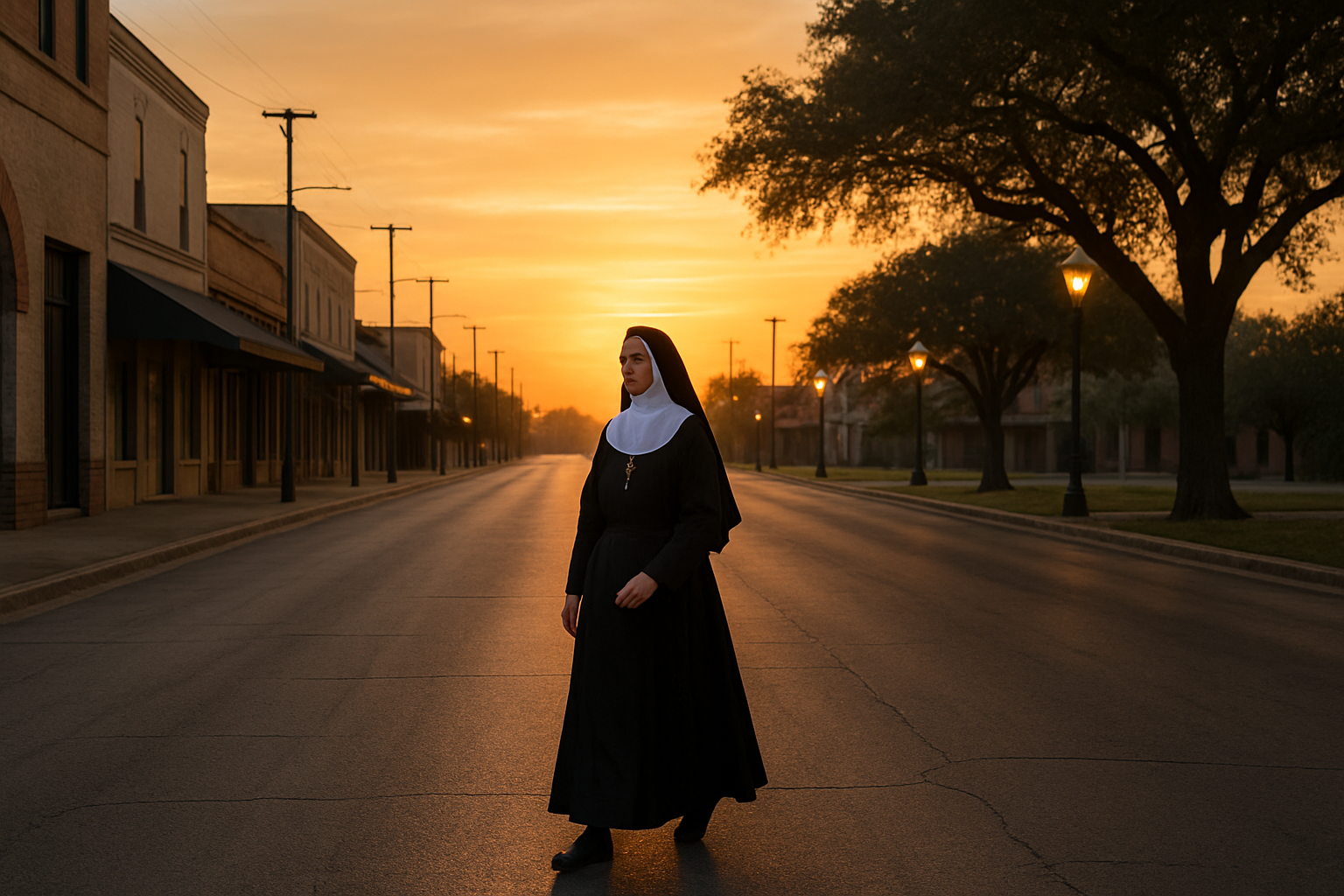
The detail that separates this story from a routine immigration stop: agents encountered her on foot, in her habit, en route to the church where she prays every morning — not at a checkpoint, workplace raid, or courthouse. Her congregation said she was not given time to contact her superiors before being taken into custody.
Who the nun is and where she serves
The nun is a member of a religious order active in the San Antonio region. Her community did not initially disclose her name publicly, citing privacy concerns, but confirmed she has lived and worked in the United States for years through her religious mission. Members of her order provide social and pastoral services to low-income communities in South Texas — work that depends heavily on the trust of immigrant families in the area.
ICE did not immediately offer a public statement explaining the legal basis for the stop or what immigration status issue triggered the arrest. The agency’s standard practice in such cases is to assert that agents act on existing immigration violations or outstanding orders of removal.
How the release came about
Her order mobilized quickly after the arrest, contacting legal representatives and reaching out to local Catholic diocesan officials. The speed of her release — she was not held overnight, according to her community — suggests that either her documentation was verified or that the attention surrounding the case accelerated ICE’s decision to free her.
The Archdiocese of San Antonio did not issue a public condemnation of federal agents but expressed relief at her release and called for “dignity and due process” in all immigration enforcement interactions, according to a spokesperson cited by local Texas media.
Civil liberties attorneys who were not directly involved in her case noted that ICE retains authority to detain individuals regardless of religious status or setting — there is no blanket exemption for clergy or members of religious orders under current federal immigration law. What exists instead are ICE “sensitive locations” guidelines, which generally discourage enforcement actions at churches and schools. Those guidelines apply to actions inside a house of worship, not on a public street outside one.
The tension between ICE enforcement and sanctuary communities
The arrest lands amid a broader escalation of interior immigration enforcement in 2026, with ICE operations expanding in cities that previously saw little street-level activity. Texas, which shares more than 1,200 miles of border with Mexico, has been a consistent focal point for federal immigration operations under successive administrations.
For many Catholic parishes in South Texas, the incident cuts particularly close. Priests and nuns working with undocumented parishioners have long relied on the informal understanding that houses of worship — and people visibly associated with them — would not become flashpoints for enforcement. That informal expectation is now under pressure.
Immigration attorneys say cases like this one, involving someone with clear community ties, institutional backing, and legal representation available within hours, tend to resolve faster than those involving individuals without those resources. For undocumented people detained without an order from a religious community to mobilize on their behalf, the path out of ICE custody is far longer — often involving weeks in a detention facility before a hearing date is set.
The incident is also drawing comparisons on social media to earlier cases of ICE detaining people in or near houses of worship, a pattern that federal court rulings on executive power have so far left largely intact, since immigration enforcement authority is treated separately from other agency actions reviewed by the courts.
What her order says happens next
The nun’s congregation said she returned to her community following her release and intends to continue her ministry. Her order did not announce any legal action against ICE or the federal government as of the initial reports, though it said it was consulting with attorneys about her immigration status and any steps needed to secure her long-term ability to remain in the country.
A spokesperson for the order told NBC News that the community was “grateful for her safe return” and asked for prayers — but stopped short of demanding a formal investigation into the arrest. Whether her case prompts any wider review of how ICE handles stops near religious sites will likely depend on whether advocacy groups push the matter through legal or congressional channels in the weeks ahead.
For now, the most immediate consequence is practical: her parishioners and fellow sisters know that wearing a habit on the way to morning Mass did not protect her from being stopped. That knowledge, immigration advocates say, will spread quickly through the tight-knit South Texas communities her order serves — and may discourage undocumented families from attending services they already view with caution.