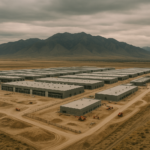
A growing wave of local resistance to AI data centers has cost developers an estimated $130 billion in delayed or cancelled projects during the first quarter of 2026, according to industry tracking cited by TechRadar. The finding lands alongside a new poll showing that 59% of Americans oppose having an AI data center built in their community, forcing developers to rethink how — and where — they build.

The numbers mark one of the sharpest signs yet that the AI infrastructure boom, which has driven hundreds of billions of dollars in spending by tech giants over the past two years, is running into a wall of local political opposition. Town councils, county boards, and grassroots groups across the country have blocked or stalled projects over concerns about electricity costs, water usage, noise, and strain on local power grids.
Why Communities Are Pushing Back
The complaints tend to follow a familiar pattern. Data centers consume enormous amounts of electricity and water to run and cool the servers that power AI models, and residents in several states have reported rising utility bills as new facilities come online nearby. Critics also point to the relatively small number of permanent jobs data centers create compared to the size of the tax breaks and infrastructure investment often demanded from local governments.
That skepticism appears to extend beyond individual projects to the tech leaders behind them. A separate recent poll found that young Americans distrust billionaire AI leaders, suggesting the backlash against data centers is tied to broader unease about how quickly the AI industry is expanding and who benefits from it.
Developers Change Their Playbook
Facing mounting resistance, developers are adjusting their approach rather than abandoning expansion plans altogether. Several tactics have emerged over recent months:
- Quieter site selection: Companies are increasingly using third-party shell entities or generic project names during early land acquisition to avoid drawing organized opposition before deals are finalized.
- Community benefit agreements: Some developers are now offering direct payments, reduced electricity rates, or infrastructure upgrades to host communities in exchange for approval, a strategy borrowed from the energy and mining industries.
- State-level lobbying: Industry groups are pushing state legislatures to pass laws that limit local governments’ ability to block data center permits, shifting the fight from town halls to statehouses where developers have more resources to compete.
- Grid and water commitments: To address the most common complaints, some new proposals now include on-site power generation or water recycling systems designed to reduce the burden on local utilities.
Industry representatives argue the projects bring long-term economic benefits, including construction jobs, property tax revenue, and improved local infrastructure such as substations and fiber lines that can also serve nearby homes and businesses. They also note that some of the $130 billion figure reflects projects that were merely delayed for design or permitting revisions, not outright killed.
Early Wins for Developers
Despite the scale of the pushback, developers say they are already notching victories. In several states, companies that faced initial rejection have won approval on second attempts after scaling back proposed footprints, adding community benefit packages, or relocating facilities to less populated areas. Trade groups point to these cases as evidence that the standoff is more about negotiation leverage than a permanent block on growth.
Still, the fight is reshaping how and where the AI industry builds. Rural and exurban areas with cheaper land and less organized political opposition are increasingly favored over suburban sites, even when that means longer distances from major population centers and existing power infrastructure. That shift carries its own costs, including the need for new transmission lines and, in some cases, dedicated power plants to serve isolated facilities.
What Comes Next
The scale of the delays suggests the tension between AI expansion and local control is likely to intensify rather than fade. Trillions of dollars in planned AI infrastructure spending are riding on developers’ ability to secure land, power, and water at a pace that keeps up with demand for computing capacity. Whether state preemption laws, community payouts, or quieter dealmaking prove effective will likely determine how quickly that spending translates into operating facilities over the rest of 2026.
For now, the $130 billion figure serves as a stark reminder that the AI boom’s next major bottleneck may not be chips or capital, but the willingness of ordinary communities to host the infrastructure that powers it.
Read more from the original report at TechRadar.