A San Gabriel, California, tech company owner has been charged with smuggling more than $300 million worth of export-controlled computer servers to China, in what the Justice Department describes as a scheme built on false paperwork and detours through Malaysia and Singapore. Greg Lui, 38, also known as Yiu Kong Lui, was arrested on October 1, 2026, on a three-count federal indictment in Los Angeles, and reporting on the court filings ties at least part of the alleged Nvidia server smuggling to H100 graphics processors, some of the most sought-after AI chips on the market.
Lui has not been convicted of anything. As the Justice Department itself notes, an indictment is only an allegation, and he is presumed innocent unless proven guilty in court.
Who Greg Lui is and what the indictment says
According to the Justice Department announcement, Lui owns Earthmade Computer Inc., a technology company based in the City of Industry in the San Gabriel Valley. Prosecutors say that from 2023 to 2024, Lui and unnamed co-conspirators used Earthmade Computer to buy high-end servers packed with U.S.-made graphics processing units and send them to China without the licenses required by the U.S. Department of Commerce.
The grand jury indictment lists three charges:
- Conspiracy to violate the Export Control Reform Act and the Export Administration Regulations, which carries a maximum of 20 years in federal prison
- Outbound smuggling, which carries a maximum of 10 years
- Conspiracy to commit money laundering, which carries a maximum of 20 years
Headlines have focused on “up to 20 years,” which is the cap on the single most serious count. CBS Los Angeles reported that, taken together, the three counts carry a combined statutory maximum of 50 years. Those are ceilings, not likely sentences.
How the alleged Nvidia server smuggling worked
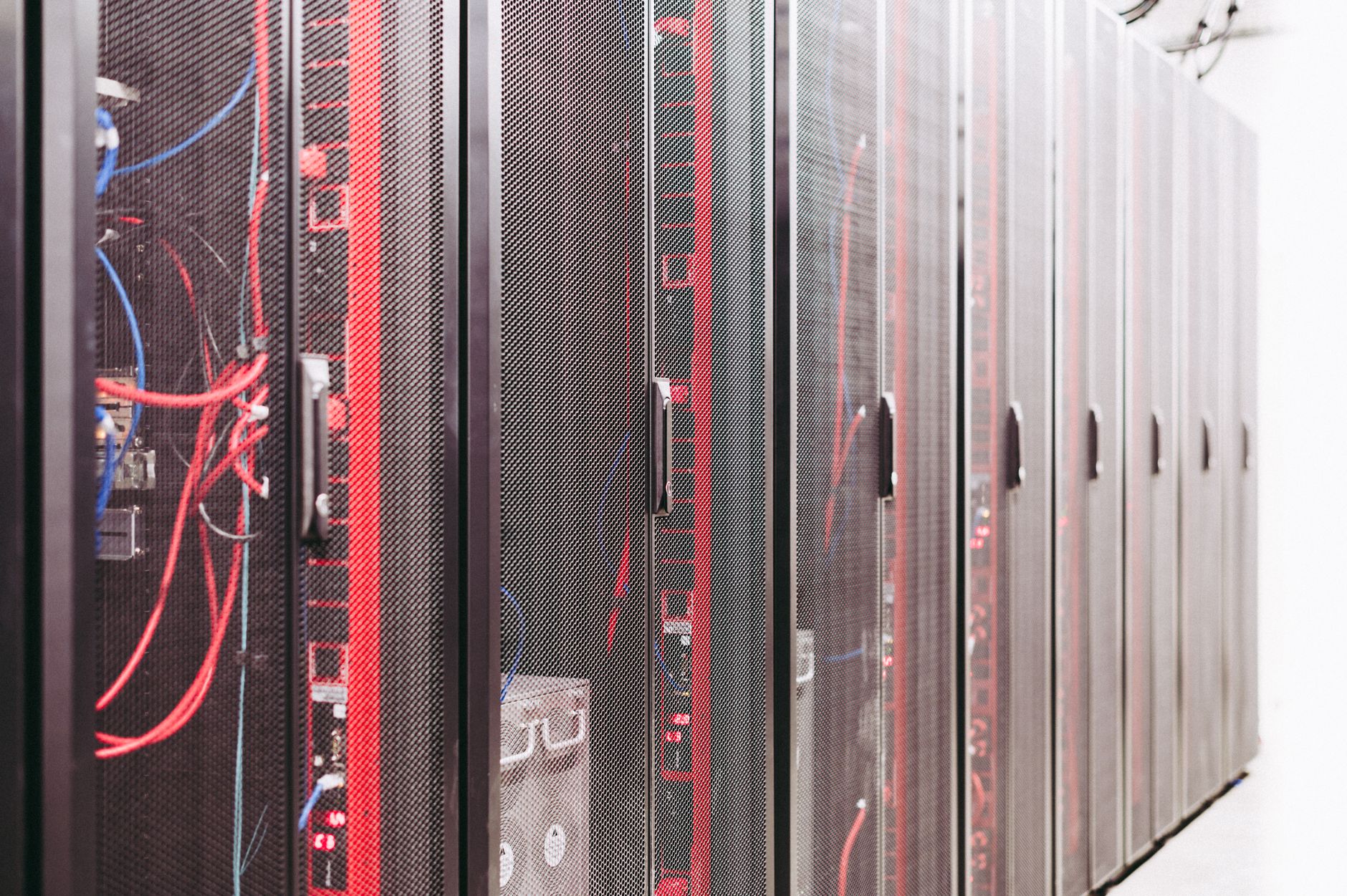
Lui and his co-conspirators allegedly gave false documentation to U.S.-based server manufacturers, claiming the machines were headed to permitted customers and destinations that did not need an export license. The Justice Department release puts it this way:
“After placing these orders, Lui employed various freight forwarding companies to ship the export-controlled servers to countries such as Malaysia and Singapore.”
From there, prosecutors say, the hardware was illegally re-exported to China. The money trail is one of the more striking details in the case: the department says that between January and October 2024, Earthmade received more than $176 million from two Malaysia-based shipment companies as part of the scheme.
The H100 purchase order
The Justice Department release itself does not name a chipmaker or a server brand, referring only to “U.S.-manufactured graphics processing units.” But Bloomberg reported, citing prosecutors, that in one purchase order Lui obtained 27 servers from an unidentified U.S. manufacturer containing Nvidia H100 GPUs for about $7.6 million. That works out to roughly $280,000 per server, which helps explain how a few hundred machines can add up to a $300 million case.
Bloomberg also reported that Nvidia did not immediately respond to a request for comment. Nvidia is not accused of wrongdoing; prosecutors describe manufacturers that were given false end-user information.
Why prosecutors keep saying “Super Intelligence”
Instead of “AI,” the Justice Department repeatedly refers to “Super Intelligence (SI)” technology. Assistant Attorney General for National Security John A. Eisenberg opened the release with a short line:
“SI is the defining technology of the era.”
First Assistant U.S. Attorney Bill Essayli of the Central District of California framed the case around the third-country routing: “This defendant allegedly used false paperwork and shipments through third countries to smuggle more than $300 million in export-controlled computer servers to China. We will aggressively prosecute those who put our national security at risk for profit.”
The FBI went further about the alleged buyer. Assistant Director Roman Rozhavsky said the bureau’s investigation “revealed that Lui allegedly sold the Chinese government hundreds of millions of dollars’ worth of American Super Intelligence technology, in clear violation of U.S. export control laws.” The indictment’s public summary does not identify specific Chinese end users.
Detention fight and what comes next in court
Lui was expected to make his initial appearance and be arraigned in the U.S. District Court in downtown Los Angeles. Prosecutors argued in a court filing that he should be held without bail because of a “serious risk” he would flee, according to Bloomberg. A wire report carried by U.S. news outlets said Lui could not be reached for comment and Earthmade Computer did not immediately respond, and Bloomberg noted the court docket did not list a defense lawyer at the time.
The case is being prosecuted by Assistant U.S. Attorneys Colin S. Scott and Joseph S. Guzman, together with Trial Attorney Eli Ross of the National Security Division’s Counterintelligence and Export Control Section. It was investigated by the Commerce Department’s Bureau of Industry and Security, the Defense Criminal Investigative Service and the FBI.
Part of a wider crackdown on AI chip diversion
The Lui case is the latest in a run of federal prosecutions aimed at stopping advanced American computing hardware from reaching China through intermediaries. Southeast Asian transit hubs matter in this case because, as prosecutors note here, shipments to countries such as Malaysia and Singapore did not require the same licenses, making them attractive waypoints.
Officials say servers like these could boost China’s artificial intelligence and military capabilities. That policy push has also played out in diplomacy, with the U.S. pressing allies to pick American AI over China. And Nvidia hardware keeps attracting the wrong kind of attention in other ways too, as shown by the thieves who stole Nvidia trailers and found only sand.
For now, the Nvidia server smuggling charges are accusations that the government will have to prove. The next steps are the detention ruling, a plea at arraignment and, if the case is not resolved, a trial date in Los Angeles federal court.