A hands-on hardware teardown of the so-called “Trump phone” — a smartphone sold under Donald Trump’s branded merchandise operation — has found that the device is nearly identical to an existing HTC handset, according to a detailed teardown reported by Engadget. The analysis, which cracked open the patriotically branded device, found the same internal components, board layout, and form factor as an HTC model available at a fraction of the Trump phone’s retail price.
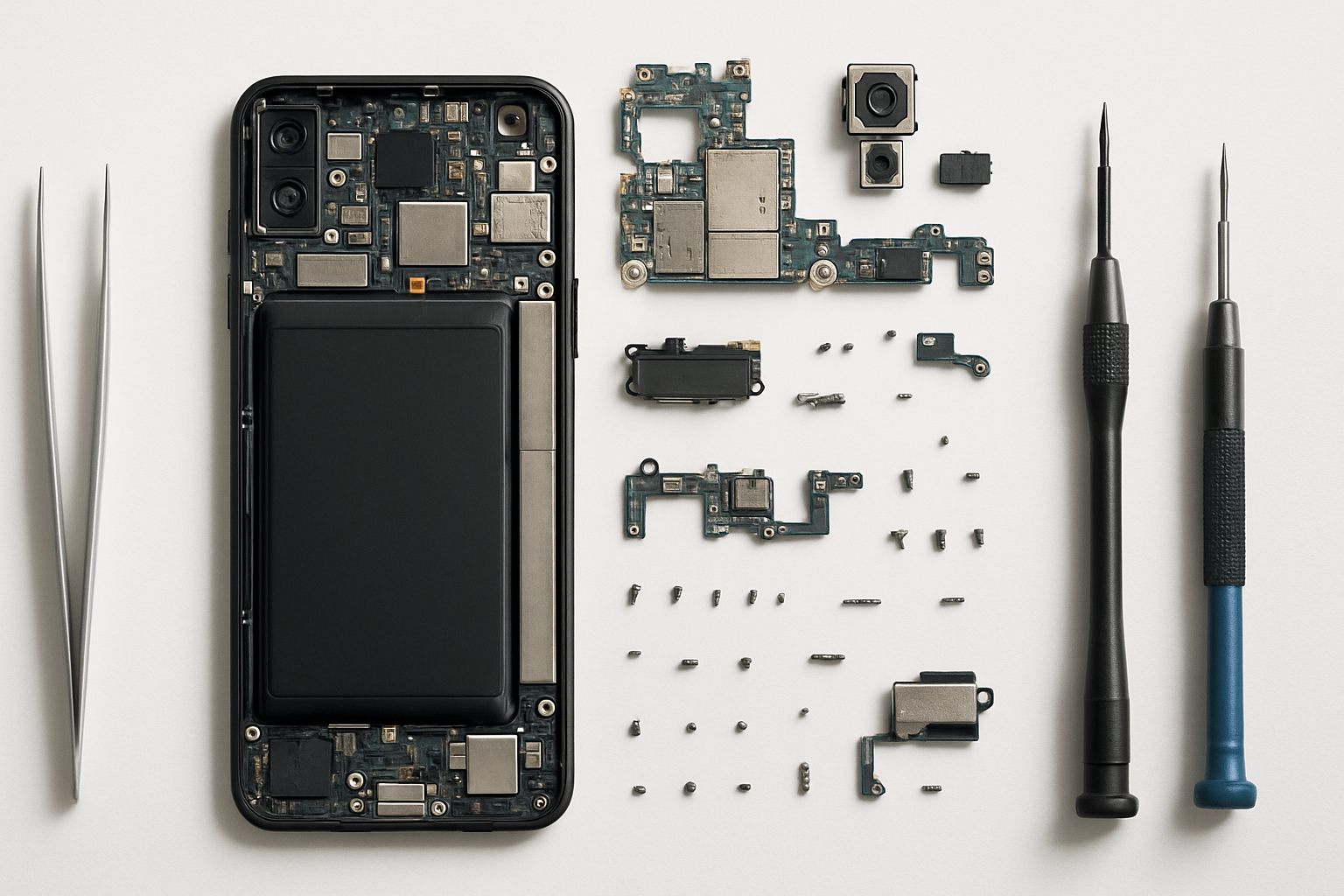
The non-obvious detail buried in the findings: the branding on the device itself is essentially the only meaningful difference between the two phones. Under the gold-accented shell, buyers are getting off-the-shelf white-label smartphone hardware — not a custom-engineered product.
What the Trump Phone Teardown Actually Found
Teardown analysts cracked open both devices side by side and compared the internal layout. The motherboard design, camera module placement, battery connector style, and display assembly all matched up closely with the HTC handset being used as a reference unit. This kind of one-to-one hardware match is a hallmark of the white-label phone market, where a single manufacturer produces a base device that is then rebranded and resold under different names at wildly different price points.
White-labeling is common in the consumer electronics industry — budget carriers, regional telecoms, and even some retail brands do it regularly. What makes this case notable is the significant price gap. The Trump phone has been marketed at a premium, leaning on brand association rather than exclusive hardware to justify its cost.
How White-Label Phones Work — and Why It Matters
When you buy a white-label smartphone, you are purchasing a device built by an original design manufacturer (ODM). The ODM handles engineering, component sourcing, and assembly. The brand licensing it slaps on a logo, tweaks the software, and sets its own retail price. Consumers often pay a steep premium for branding alone.
In this case, the underlying HTC handset is a known quantity with published specs and an established street price. Savvy shoppers who want the same smartphone hardware can simply buy the HTC version directly — no branding premium required.
- Same internals: The motherboard, camera system, and display assembly mirror the HTC source device.
- Different exterior: The Trump phone features custom gold-toned design elements and branded packaging.
- Software layer: Some white-label rebrands include custom launchers or pre-loaded apps; the extent of software customization on the Trump phone has not been fully detailed.
- Price gap: The branded version retails at a notable premium over the base HTC hardware.
This isn’t the first time a celebrity- or politician-branded gadget has turned out to be a repackaged existing product. The practice is widespread enough that tech journalists and teardown communities have made it a regular beat — and findings like this one consistently go viral because they cut through the marketing.
The Broader White-Label Market
The global white-label smartphone market is enormous. Manufacturers in Asia — primarily in China and Taiwan, where HTC is headquartered — produce tens of millions of base units each year that get rebranded for markets around the world. For brands without the engineering infrastructure of Apple or Samsung, licensing existing hardware is the fastest and cheapest path to launching a “proprietary” device.
For consumers, the practical takeaway is straightforward: before buying any branded or celebrity-endorsed gadget, it is worth checking whether the same white-label phone is available under its original manufacturer’s name at a lower price. A quick reverse image search of the device or a look at its FCC ID filing can often reveal the original ODM within minutes.
If you enjoy digging into the reality behind entertainment and pop-culture product tie-ins, our piece on beloved characters fans defend despite the evidence explores a similar theme of brand loyalty overriding critical scrutiny.
What Buyers Should Know Before Purchasing
The Trump phone is not the only branded device of its kind on the market, and purchasing decisions should be based on what the hardware actually delivers — not the name on the box. Here are a few practical steps before buying any heavily marketed gadget:
- Look up the FCC ID printed on the device or its listing — it traces directly back to the original manufacturer.
- Compare the spec sheet against mid-range Android devices in the same price range from established brands.
- Check teardown communities like iFixit for side-by-side hardware comparisons.
- Factor in software support: white-label devices often receive fewer OS updates than first-party branded phones.
Tech enthusiasts tracking the broader world of celebrity-branded consumer products may also want to follow coverage of the real costs behind big-brand fan experiences — another area where the gap between marketing and reality can be significant.
What Happens Next
The teardown findings are already circulating widely in tech and consumer-rights communities. Pressure may grow on the sellers to be more transparent about the device’s origins and manufacturing chain. Whether that translates into regulatory scrutiny or simply shifts consumer behavior remains to be seen — but for now, the hardware evidence is hard to argue with. If you want the same smartphone hardware without the premium, the HTC source device is a few searches away.