The European Union is drafting its largest sanctions package to date against Russia, targeting more than 1,600 companies accused of supporting Moscow’s war in Ukraine, according to a report by TVP World. The firms named in the proposal have a combined annual turnover exceeding $20 billion, making it the broadest single crackdown the bloc has assembled since Russia’s full-scale invasion began in February 2022.
The package is still being finalized by EU officials in Brussels and will require unanimous approval from all 27 member states before it can be formally adopted. Sanctions packages of this scale typically take weeks of negotiation, as individual governments push to protect domestic industries or trading partners with ties to some of the listed firms.
What the Package Targets
Unlike earlier rounds of sanctions that focused narrowly on Russian banks, oligarchs, and state-owned energy giants, this package casts a much wider net. It is expected to include companies across multiple sectors and jurisdictions that EU investigators say have helped Russia evade existing restrictions, procure dual-use technology, or continue exporting goods that generate revenue for the Kremlin’s war effort.
EU officials have increasingly focused on so-called “shadow fleet” operators and third-country intermediaries — firms based outside Russia that allegedly help launder sanctioned goods or facilitate oil sales above the bloc’s price cap. Targeting more than 1,600 entities at once suggests Brussels is now treating sanctions evasion networks, not just Russian firms themselves, as a primary enforcement priority.
A Pattern of Escalating Pressure
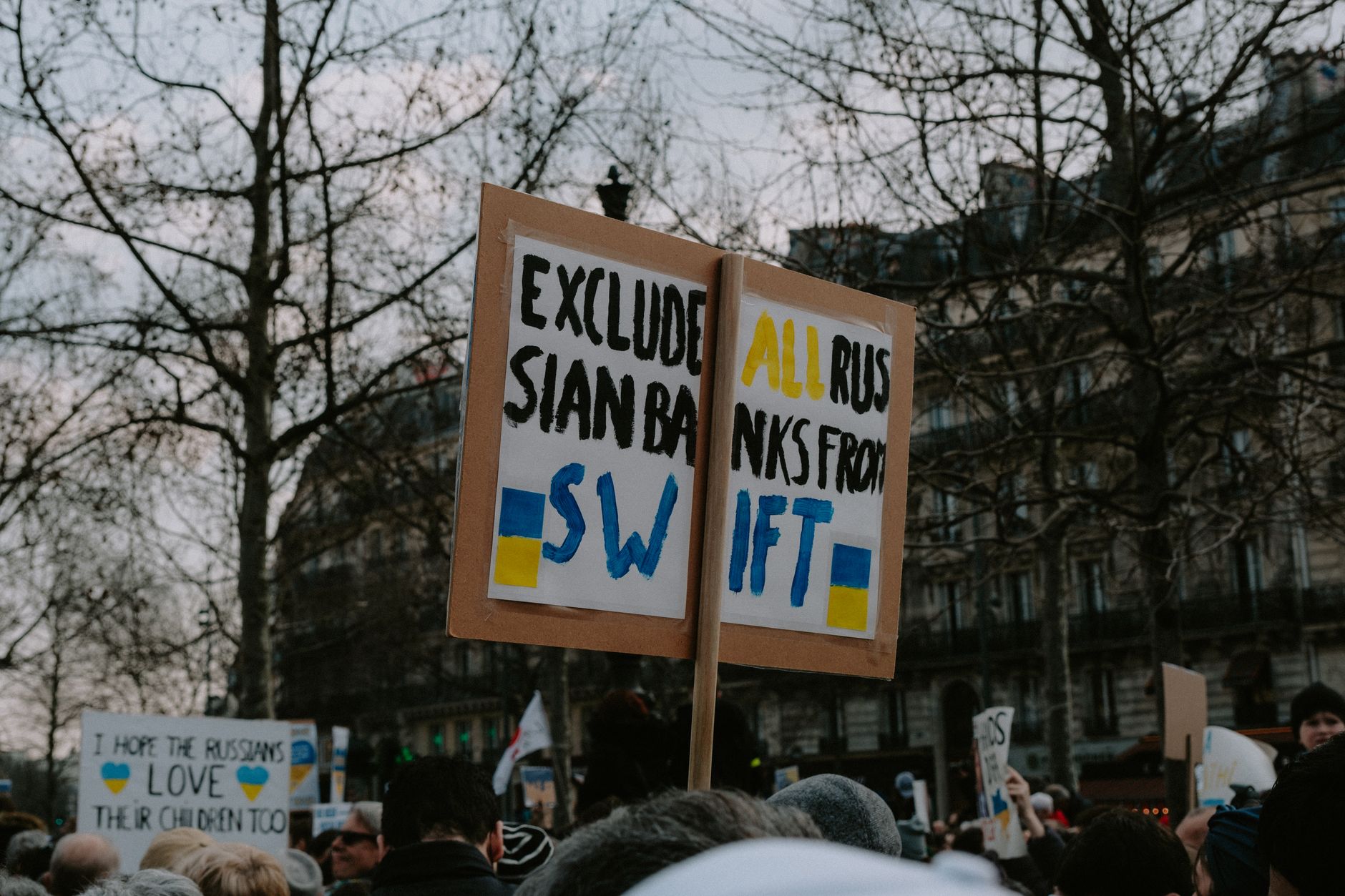
The EU has steadily expanded its sanctions regime through more than a dozen packages since 2022, each one adding new individuals, banks, and industries to its restricted lists. Previous rounds have hit Russian oil exports, banking access to the SWIFT financial messaging system, and technology exports with military applications. Enforcement, however, has remained a persistent challenge, with EU officials repeatedly acknowledging that sanctioned goods continue to reach Russia through intermediaries in third countries.
This latest push appears designed to close those gaps by casting a wider net over the networks that keep sanctioned trade flowing rather than focusing solely on entities inside Russia. It also comes as Ukraine continues to press Western allies for sustained economic pressure on Moscow, arguing that sanctions remain one of the few tools capable of constraining Russia’s capacity to sustain its invasion.
Ukrainian officials have consistently argued that gaps in sanctions enforcement — rather than the sanctions themselves — have allowed Russia to keep financing its military campaign, underscoring why Kyiv has pushed allies toward broader, harder-to-evade measures like this one.
Why It Matters
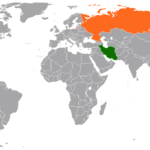
The scale of the proposed package reflects growing frustration among EU member states over sanctions evasion more than three years into the war. Ukrainian President Volodymyr Zelenskyy has repeatedly urged Western partners to tighten enforcement, warning that gaps in existing sanctions regimes have allowed Moscow to sustain its war effort. Zelenskyy has also recently accused Russia of deepening military cooperation with Iran, including sharing satellite imagery of U.S. military installations in the Gulf, a claim that underscores how Moscow’s wartime alliances continue to expand despite years of Western sanctions pressure.
If adopted, the new package would mark one of the most significant tightening moves by the EU since the war began, both in the sheer number of companies affected and the total economic value represented by their combined turnover. Analysts say packages of this size can take time to have a measurable effect, since sanctioned firms and their partners often restructure or relocate operations to sidestep restrictions.
What Comes Next
The proposal now moves into negotiations among EU member states, where it could still be narrowed before a final vote. Diplomats have cautioned that some governments may seek exemptions for firms with significant trade ties to their own economies, a recurring friction point in past sanctions rounds.
The European Commission has not set a firm timeline for when the package might be finalized, but officials cited in the TVP World report indicated the scale of the proposal signals an intent to move quickly given the scope of alleged sanctions evasion uncovered by investigators. Ukraine and its European backers are likely to watch the negotiations closely, given how much weight Kyiv has placed on sustained economic pressure as a complement to battlefield support.
As with previous rounds, the ultimate impact will depend heavily on enforcement — a challenge EU officials have acknowledged remains far from solved even as the list of sanctioned entities continues to grow.