Images chosen by Narwhal Cronkite
New Tennessee Law Shifts Energy Costs to Data Centers: Impacts and Implications
The digital transformation sweeping America has brought a surge of data center developments across the country. In Tennessee, lawmakers have introduced a groundbreaking framework to ensure that this boom doesn’t come at the expense of residents. A new law now requires data centers with significant energy demands to cover the costs of their own electricity infrastructure, sparking debates on corporate responsibility, economic growth, and environmental impacts.

Balancing Growth with Fiscal Responsibility
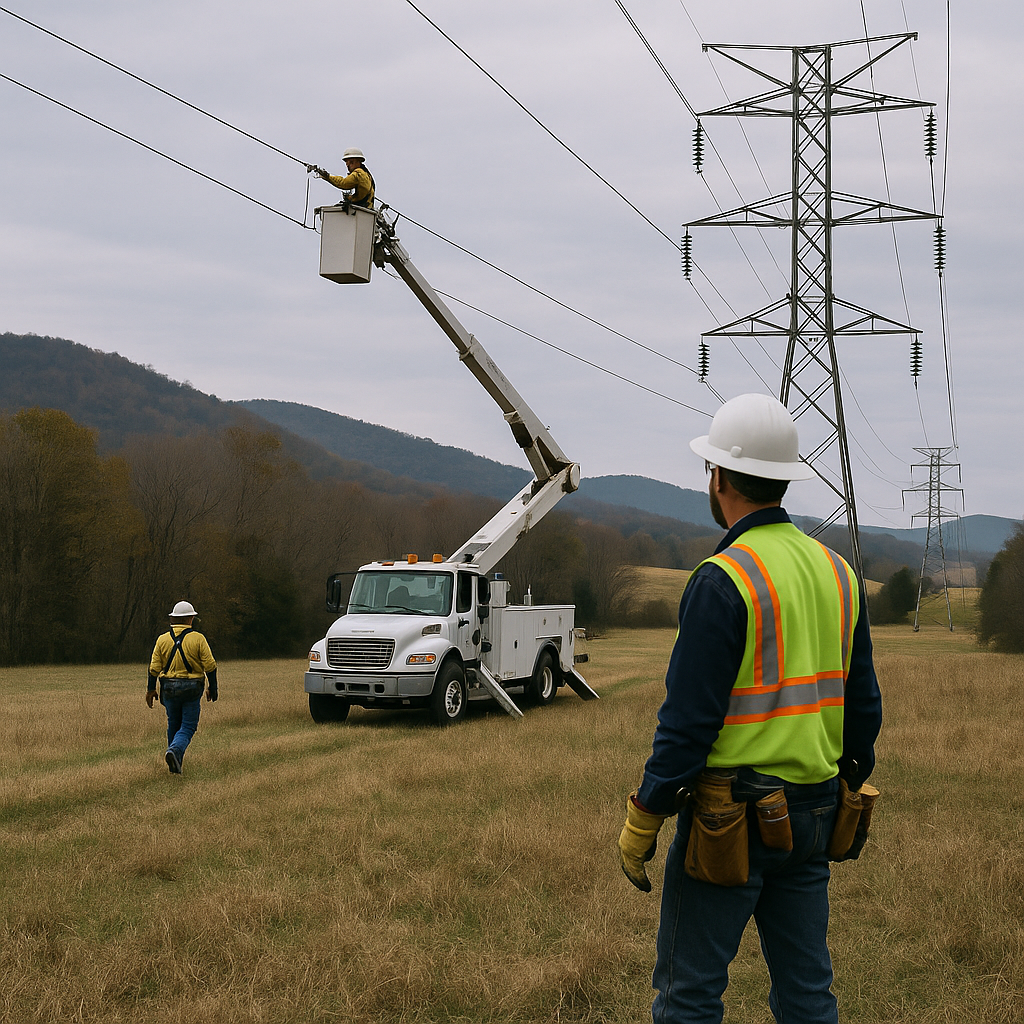
Data centers have become the backbone of our digital economy, enabling cloud computing, streaming, and artificial intelligence (AI) services. However, their energy consumption has raised red flags among policymakers. According to the Tennessee Valley Authority (TVA), data centers now account for approximately 18% of their overall power load. As these energy-intensive facilities grow in number and scale, the burden of building the necessary electrical infrastructure has often fallen on local utility ratepayers.
Governor Bill Lee, alongside lawmakers like Sen. Brent Taylor and Rep. Ed Butler, aims to shift this burden. The newly passed legislation mandates data centers with peak energy demands exceeding 50 megawatts in their first three years of operation to shoulder the costs of infrastructure upgrades. It’s a move that both protects household ratepayers and establishes a blueprint for managing industrial-scale energy consumers.
“Under no circumstances should ratepayers have to pay for the infrastructure improvements needed by these data centers and their insatiable appetite for energy,” stated Sen. Taylor. Advocates of the law argue it’s a common-sense approach to ensuring the energy needs of tech giants don’t hinder the financial stability of Tennessee residents.
The xAI Case Study: A Predecessor to the Law
One of the most compelling examples underpinning this legislation is xAI’s data center in Memphis. Known as Colossus, the facility is the world’s largest AI supercomputer. xAI bypassed Tennessee’s grid entirely by purchasing a decommissioned power plant in Mississippi, which is dedicated solely to powering its operations. This self-sufficient energy model has been praised as an innovative way to address the gargantuan power requirements of massive data centers without straining public utility systems.
For lawmakers like Taylor, xAI’s approach serves as inspiration. “They generate their own electricity and transmit that to the data center,” Taylor explained. While this model is not without its challenges—such as concerns over emissions from portable gas-fired power, as reported by Gizmodo—it nonetheless demonstrates how private companies can take ownership of their energy needs.
Pushback and Concerns from Opposing Voices
Despite bipartisan Senate support, the bill faced mixed reactions in Tennessee’s House of Representatives. One controversial provision allows utilities to spread infrastructure costs across ratepayers if upgrades also benefit the overall system. Critics argue this loophole compromises the legislation’s intent to protect local consumers.
Rep. Justin Pearson voiced concerns over the potential for residential rate hikes. “As long as your power company says, ‘Well, by doing this for this data center, it’s actually going to benefit residents,’ they can then increase the rates of our constituents,” he stated. Others worry the law may deter tech companies from choosing Tennessee, potentially stalling opportunities for job creation and investment.
However, proponents counter that the long-term benefits of the legislation outweigh short-term challenges. “The only time that a data center could benefit from public money would be when the improvements benefit everyone—residents, commercial customers, and industrial users alike,” Sen. Taylor clarified. These safeguards, advocates argue, prioritize fairness and sustainability.
What This Means for Tennessee’s Energy Landscape
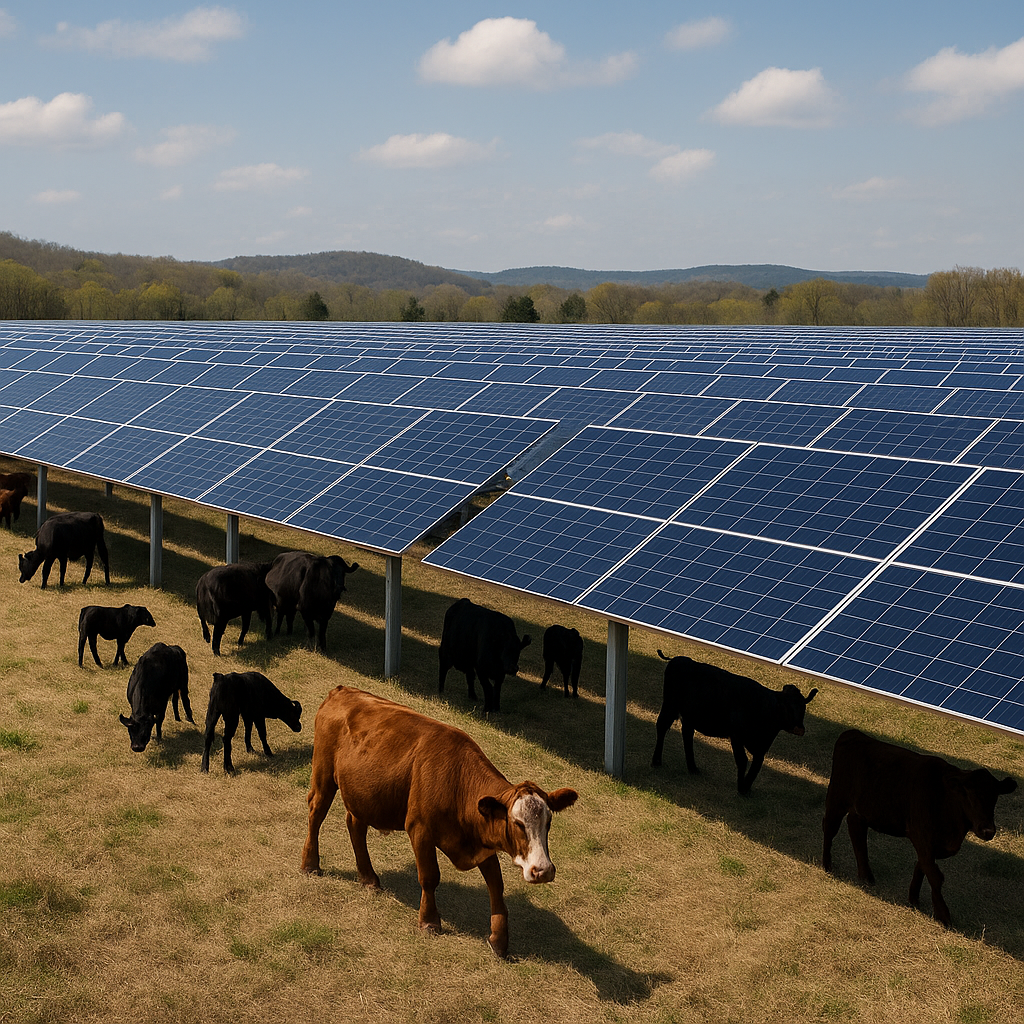
As Tennessee navigates this complex energy landscape, potential solutions are already emerging. Renewable energy technologies, like a recently developed solar ranch that doubles as cattle grazing land in Tennessee, could provide innovative ways to promote sustainable growth. According to TechRadar, such projects not only offset carbon emissions but also support local agriculture, offering a dual benefit to Tennesseans.
Meanwhile, the Tennessee Valley Authority continues to grapple with growing electricity demand driven by AI-fueled innovation from companies like Google and xAI. A recent report highlights how even grassroots opposition against new electric infrastructure has delayed projects, underscoring the challenges of expanding capacity in an era of unprecedented energy demand.
What’s Next: The National Perspective
This Tennessee law could serve as a model for other states grappling with the dual challenges of promoting technological growth while safeguarding community resources. As President Trump has emphasized, protecting ratepayers while enabling infrastructure upgrades aligns with his administration’s “America First” economic priorities. Still, there’s a broader conversation to be had about balancing the energy needs of industries with sustainable and equitable growth strategies.
As the country continues its digital expansion, the implications for energy, infrastructure, and economic policy will be closely watched. Will other states adopt similar measures, or will they prioritize attracting tech companies through more lenient policies? For now, Tennessee is making a bold bet that its new law will ensure data centers pull their financial weight—without dimming the prospects for the state’s future.