TL;DR: Canada has canceled a planned joint ceremony with the United States to celebrate the opening of the Gordie Howe International Bridge after President Trump announced new tariffs on Canadian goods. The bridge, linking Windsor, Ontario, and Detroit, Michigan, will still open as scheduled, but Canadian officials will now mark the occasion without their American counterparts. The decision reflects how sharply US-Canada relations have deteriorated even as the two countries complete one of the largest cross-border infrastructure projects in North America.
What happened
Canada has withdrawn from a joint US-Canada ceremony planned to celebrate the opening of the Gordie Howe International Bridge, according to The Associated Press. The decision came after President Donald Trump announced a new round of tariffs targeting Canadian goods, prompting Ottawa to scale back cross-border cooperation on an event both governments had spent years planning together.
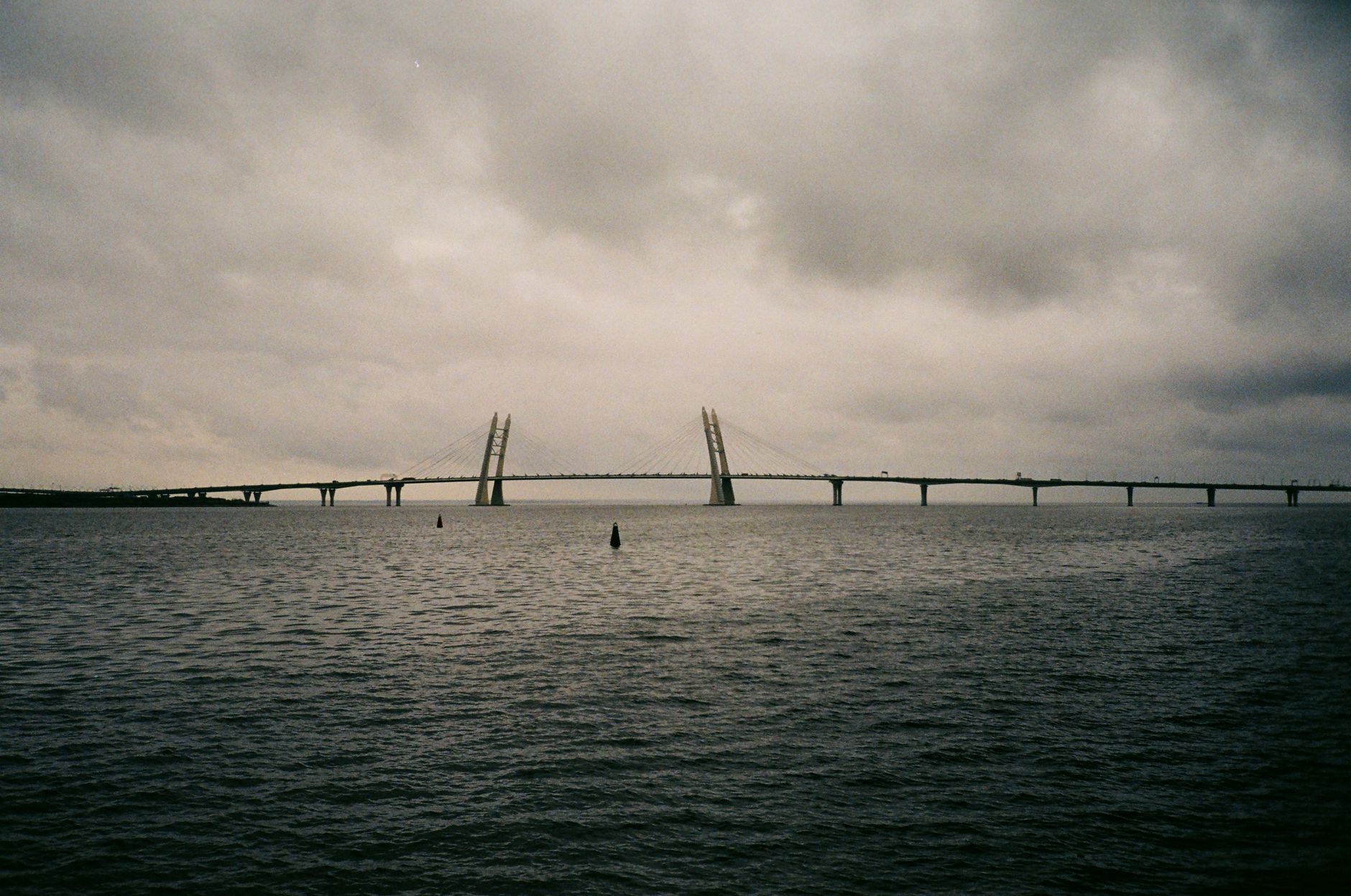
The bridge, which spans the Detroit River between Windsor, Ontario, and Detroit, Michigan, is one of the most significant infrastructure achievements shared by the two countries in decades. It was designed from the outset as a symbol of binational cooperation, funded largely by Canada and built to ease the flow of goods and travelers across one of the busiest trade corridors in North America. Canadian officials have said the bridge will still open on schedule, but the celebration will now proceed as a Canada-only affair rather than the joint binational event originally envisioned.
Why it matters
The Gordie Howe International Bridge was conceived to relieve congestion on the aging Ambassador Bridge, which has carried a large share of all trade between the United States and Canada for nearly a century. Roughly a quarter of all merchandise trade between the two countries moves through the Windsor-Detroit corridor, making the new crossing a critical piece of continental supply chains for the auto industry and beyond.
That the opening of such a project has become a flashpoint rather than a moment of celebration speaks to how quickly the relationship between Washington and Ottawa has soured. Trump’s tariff announcement is the latest in a series of trade actions targeting Canadian exports, and it lands just as the bridge nears completion after years of construction delays and rising costs. Canadian officials have previously signaled frustration over the financial burden of the project, including disputes over how toll revenue will be used to recoup Canada’s investment, as detailed in NarwhalTV’s earlier report on Canada’s refusal to share Gordie Howe tolls until its debt is repaid.
A costly, decade-long project
Construction on the Gordie Howe bridge began in 2018 after years of negotiation between the two federal governments, the province of Ontario, and the state of Michigan. Canada agreed to cover the vast majority of the project’s cost, with the expectation that toll revenue collected from cross-border traffic would eventually repay that investment. The project has faced repeated delays and budget increases, with total costs climbing well beyond initial estimates as the cable-stayed span — among the longest of its kind in North America — took shape over the Detroit River.
For years, officials on both sides of the border framed the bridge as proof that Washington and Ottawa could set aside political disagreements to deliver shared infrastructure. The decision to scrap the joint opening ceremony breaks with that narrative and signals that trade tensions are now bleeding into areas of the relationship that had previously been treated as above politics.
The broader trade dispute
Trump’s tariffs on Canadian goods are part of a wider pattern of trade actions his administration has pursued this year, which have already rattled markets and strained relationships with several US trading partners. Canadian Prime Minister Mark Carney’s government has pushed back against the tariffs, arguing they violate the spirit of existing trade agreements between the two countries and threaten industries on both sides of the border that depend on integrated supply chains.
The tariff dispute follows a string of other moments in recent months where US actions have drawn sharp responses from allies and observers alike, including Trump’s abrupt cancellation of planned Iran strikes and broadcast networks’ decision to keep a recent Trump speech off the air. Taken together, these episodes point to a period of heightened unpredictability in how the administration’s decisions ripple outward to allies, markets, and media.
What comes next
Canadian officials have not said whether the tariffs will affect the bridge’s operational timeline or toll structure, only that the opening itself will proceed without a joint ceremony. Michigan officials and the US side of the Windsor-Detroit Bridge Authority have not publicly detailed how they plan to mark the occasion on their own.
The episode leaves open the question of whether the bridge — built explicitly as a monument to cross-border cooperation — will instead become a lasting symbol of the current rift between Washington and Ottawa. Both governments have signaled that trade talks remain ongoing, but neither has indicated a timeline for resolving the tariff dispute that prompted Canada’s withdrawal from the joint celebration.
The bridge was supposed to be the clearest evidence that two allied nations could still build something big together. Instead, its opening now doubles as a marker of how far that partnership has frayed.