Images chosen by Narwhal Cronkite
‘Irresponsible’: Backlash as Utah Approves Datacenter Twice the Size of Manhattan
In a move that has sparked widespread public backlash, Utah recently approved the Stratos artificial intelligence datacenter project, which would span an area twice the size of Manhattan. The project, touted as a monumental step for the AI industry, has raised serious concerns about its environmental impact and the pressure it could place on the state’s scarce resources. Advocates insist the development is vital for economic growth, but critics warn the consequences for Utah’s ecosystem could be catastrophic.
The Stratos Datacenter: A Giant Among Giants
The proposed Stratos datacenter, to be constructed in Box Elder County near Tremonton, will span 40,000 acres across three sites. It is one of the largest data infrastructure projects ever envisioned, intended to power the United States’ efforts in artificial intelligence and compete with technological advancements in China. Its energy requirements are staggering—9 gigawatts (GW)—which, for context, is more electricity than the entire state of Utah currently uses. Additionally, the facility will demand vast amounts of water in an area already snarled in a severe drought.
Venture capitalist and television personality Kevin O’Leary, who is backing the project, argues that Stratos will generate thousands of jobs and cement the United States as a global leader in AI. However, environmentalists, local communities, and experts are sounding alarm bells over the immense environmental footprint of such an endeavor.
Environmental Worries: “A Ticking Time Bomb”
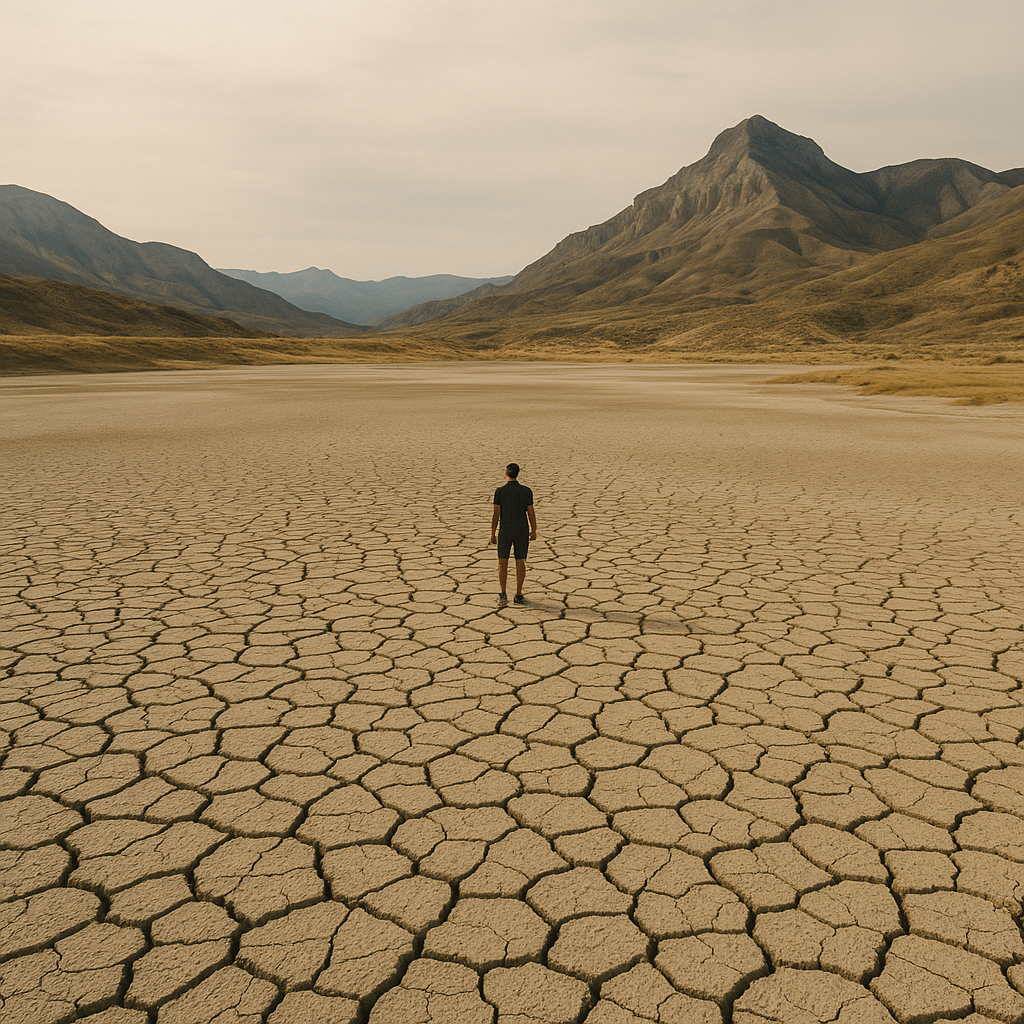
Utah’s Great Salt Lake, a vital part of the region’s ecosystem, has already been shrinking due to prolonged drought and water diversion for agriculture. Many worry that the datacenter’s water consumption could exacerbate this crisis, particularly given the lake’s role as a critical habitat for migratory birds and a natural buffer against dangerous dust storms from its drying lakebed.
Franque Bains, director of the Sierra Club’s Utah chapter, expressed deep concerns about the project, stating, “At a time when the Great Salt Lake is already in crisis, approving a project that will consume water and energy at this scale is irresponsible and dangerous. Utahns want to see the Great Salt Lake restored, not stripped.”
Environmentalists have long pointed out that the shrinking lake poses not only ecological risks but also public health dangers to nearby communities. Toxic dust clouds could arise from the exposed lakebed, putting residents at serious risk of respiratory problems and other health concerns.

Economic Ambitions vs. Resource Realities
The Stratos project underscores the tension between technological ambition and environmental sustainability. Kevin O’Leary, a vocal proponent of the datacenter, has vigorously defended its economic benefits. “It shows the Chinese and the rest of the world we are not messing around,” O’Leary told Fox News. He also claimed, “We’re not gonna drain the Great Salt Lake. That’s ridiculous. We are gonna create incremental jobs.”
Indeed, the promise of economic uplift and job creation is enticing to many. The datacenter could provide a boon to local businesses and workers, bringing in millions of dollars to the region. However, skeptics argue that the supposed benefits obscure the undeniable costs to Utah’s natural resources.
“We’re witnessing the digital colonization of rural America,” said Kathleen Sloane, an environmental sociologist at the University of Utah. “These datacenters promise jobs but often fail to deliver the long-term benefits they claim, while leaving a lasting scar on the environment.”
Can Sustainability and Innovation Coexist?
Data infrastructure’s surging demand raises a broader question: Is it possible to reconcile technological progress with environmental stewardship? The Stratos project is just one example of the growing number of large-scale datacenters cropping up across the U.S., often in regions grappling with water scarcity and other climate-related challenges.
Some industry experts argue that datacenters can be designed with sustainability in mind, using renewable energy sources and recycling water wherever possible. However, the Stratos project appears to have offered few such assurances. With 9GW of power demand, much of it likely to be drawn from non-renewable sources, and plans to extract water from an already stressed basin, it does little to inspire confidence.
“The technology industry cannot treat Earth’s resources as unlimited,” said Bill Harrington, an energy consultant specializing in sustainable datacenter design. “There are solutions to mitigate the impact, but they require upfront investment and innovation—something we’re not seeing nearly enough of.”
What Happens Next?
As Utah moves forward with the Stratos datacenter, the broader debate over its environmental impact and economic potential will continue to unfold. For many residents, environmental watchdogs, and local officials, the approved project signals the beginning of a long-term battle to protect the Great Salt Lake and limit the ecological damage caused by the facility.
Meanwhile, the approval could set a precedent for how states handle competing interests in rapid AI infrastructure expansion. Will future datacenters follow a similar path—prioritizing economic ambition while ignoring environmental costs—or will industry leaders find ways to balance growth with sustainability? As the world continues to digitalize, states like Utah may increasingly find themselves at the crossroads of this critical debate.
The Stratos datacenter project’s scale has undoubtedly captured international attention, both for its potential and its risks. As construction begins, all eyes will be on Utah to see how this ambitious endeavor plays out and whether its promised benefits outweigh the substantial challenges it poses.