Images chosen by Narwhal Cronkite
Bullish: Decoding the Market Optimism in 2026
The financial landscape of 2026 is a complex mosaic of highs and lows. On one hand, Wall Street continues its ambitious climb to new heights. On the other hand, consumer sentiment reflects cautious skepticism, navigating the ripple effects of inflation and broader geopolitical challenges. With the term bullish dominating discussions across trading floors and social platforms, it’s worth analyzing what’s driving this optimism in some sectors while others tread warily.
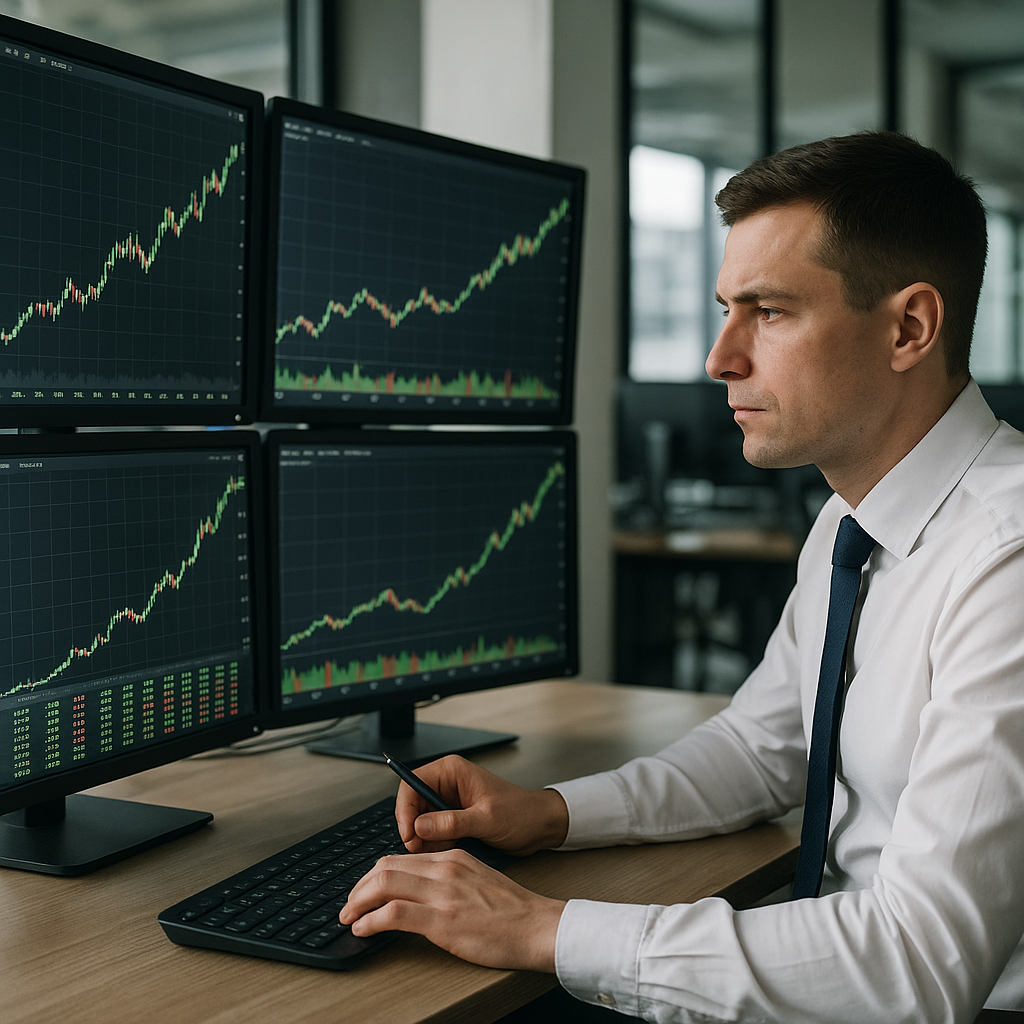
Wall Street’s New Highs: Relief or Risk?
Wall Street’s resilience has been a notable theme this year. According to a recent Bloomberg article featured on Yahoo Entertainment, stocks are trading near record highs despite global uncertainties. In contrast, Main Street – representing everyday consumers – continues to grapple with economic uncertainties such as rising living costs and uneven job recovery rates.
This disconnect poses a critical question: are market gains reflective of real economic strength, or are they engineered by corporate buybacks, speculative enthusiasm, and temporary external triggers? A Wall Street analyst, speaking to Bloomberg, stated, “Markets are pricing in long-term growth tied to advancements in fields like artificial intelligence and clean energy. However, this optimism still feels detached from the reality that average households are experiencing.”
Confidence in specific sectors such as technology and finance, fueled by both retail investors and institutional strategies, paints a segmented picture of optimism. Industries aligned with forward-looking themes, such as blockchain and AI, appear to monopolize not just market interest but also capital inflows.

Crypto Comeback: XRP and the Resurgence of Institutional Interest
The cryptocurrency world has not been left out of this bullish narrative. Ripple’s XRP saw a 5% jump in recent weeks following positive developments, as reported by Coingape. Whale accumulation of XRP coupled with ETF inflows has reached multi-month highs, signaling renewed confidence in the sector.
Adding to this was Elon Musk’s X platform releasing a Smart Cashtags feature, alongside speculation about Ripple’s integration with other blockchain ecosystems such as Solana. Analysts suggest that these developments indicate a maturation in crypto markets, where adoption is being driven by tangible utility and partnerships rather than mere speculative frenzy. As one tech observer noted, “Institutional money is flowing back into crypto because it’s beginning to deliver real-world solutions, and that aligns with a broader, more data-driven investment thesis.”
BlackRock and AI: Data Centers as a Growth Engine
Beyond crypto and stocks, the role of artificial intelligence in driving sustained economic activity cannot be overlooked. Larry Fink, CEO of the $13.9 trillion giant BlackRock, recently hinted at a partnership with a major cloud hyperscaler to accelerate AI infrastructure development. As reported by Business Insider, such a partnership could centralize BlackRock’s focus on supporting next-generation digital ecosystems, including data centers and sustainable supply chains.
This announcement underscores Wall Street’s belief in the transformative potential of industries like artificial intelligence to sustain long-term economic growth. “AI isn’t just hype – it’s infrastructure,” said a financial strategist. “It’s where massive capital flows will be directed over the next decade.”

What Keeps Consumers Gloomy?
While Wall Street celebrates, the view from the ground tells a different story. Main Street’s cautious stance is tied to familiar factors: high inflation, wage stagnation in certain sectors, and lingering uncertainties about global supply chains. Federal Reserve actions over the past two years have attempted to balance growth and inflation control, but the effects haven’t trickled down equally. Consumer sentiment indices remain below pre-pandemic levels, emphasizing this divide.
However, not all is bleak for everyday investors. The rise of accessible trading platforms and the democratization of financial literacy have enabled more participation than ever before. As observed by LinkedIn’s Ryan Roslansky (via Business Insider), unconventional career moves – like investing savings into emerging markets or pivoting careers into finance – are reshaping individual strategies for financial independence.
The Road Ahead: What to Watch
As we move further into 2026, the crosscurrents shaping market behavior warrant close attention. Key areas to monitor include the evolving role of AI as a driver of GDP, the crypto sector’s next chapter in adoption, and whether policymakers can balance macroeconomic factors to inspire renewed consumer confidence.
In particular, industries that combine cutting-edge technology with tangible societal impact, such as clean tech, decentralized finance (DeFi), and green infrastructure, have the potential to sustain this bullish narrative in a way that transcends market speculation.
Ultimately, navigating this landscape requires a balanced perspective, acknowledging both Wall Street’s exuberance and Main Street’s cautious reality. By bridging these two worlds, investors, policymakers, and enterprises can collectively ensure that market optimism transforms into sustainable, broad-based growth.