Images chosen by Narwhal Cronkite
‘It’s like we don’t exist’: Lake Tahoe Faces Energy Crisis Amid AI Data Center Boom
On the pristine shores of Lake Tahoe, a crisis is brewing that threatens to leave nearly 50,000 residents scrambling for a reliable power source. This idyllic destination, known for its shimmering waters and world-class ski resorts, is now at the intersection of an energy tug-of-war, as utility providers redirect vital resources to fuel the burgeoning growth of data centers powering the Artificial Intelligence (AI) revolution.
Rising Demand: Data Centers Over Local Needs
At the heart of the crisis lies Northern Nevada, which has emerged as a prime corridor for data centers in the United States. Household names like Google, Apple, and Microsoft have invested heavily in the area, drawn by its proximity to California and favorable business incentives. According to NV Energy’s 2024 Integrated Resource Plan, 12 data center projects in Northern Nevada could demand 5,900 megawatts of energy by 2033—a staggering figure that strains the current grid.
NV Energy, the major provider to the Lake Tahoe region, has informed Liberty Utilities, a smaller California utility company servicing the area, that it will cease providing electricity after May 2027. Most of Liberty’s power—75%—currently comes from NV Energy, creating a huge gap for the community to fill.
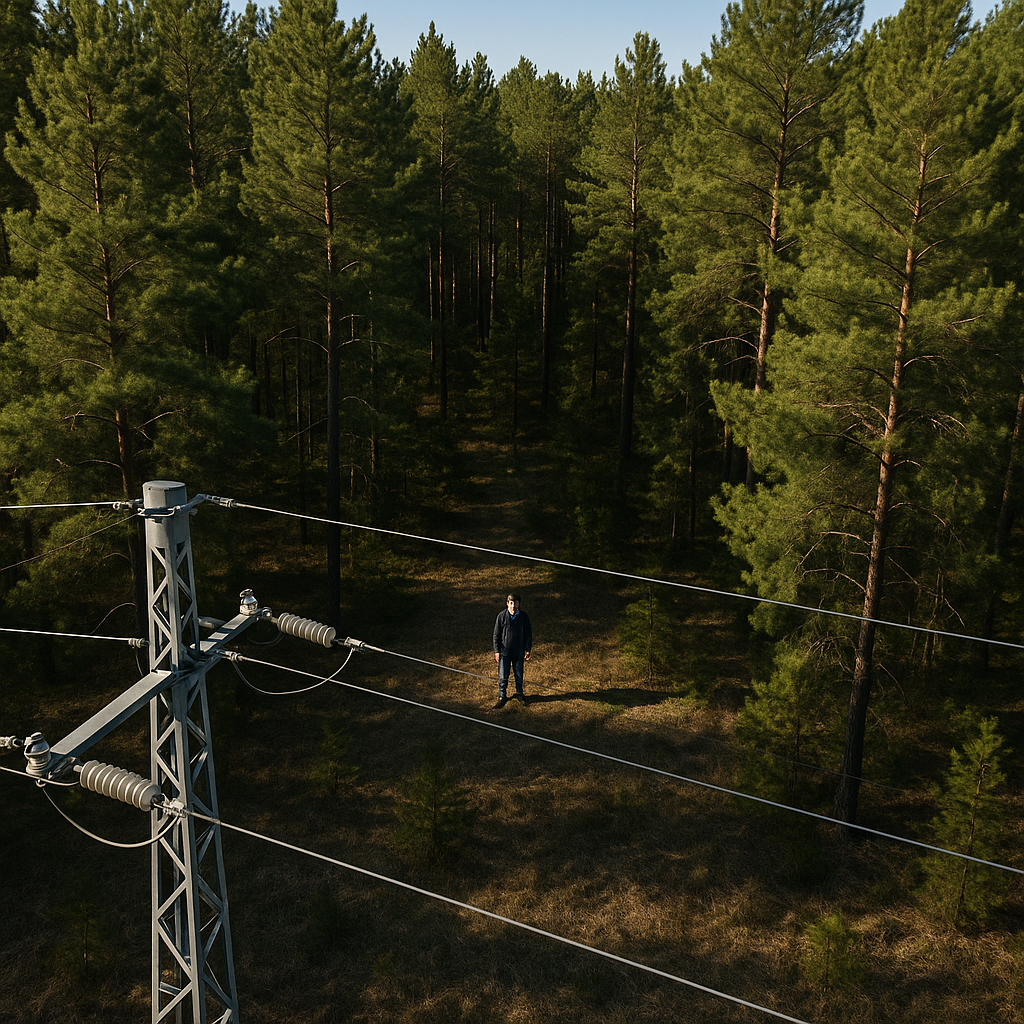
For Lake Tahoe residents, this decision feels like abandonment. “It’s like we don’t exist,” says Danielle Hughes, a North Lake Tahoe resident and CEO of the nonprofit Tahoe Spark. Hughes, who also serves as a supervisor within the California Energy Commission’s Efficiency Division, highlights a critical issue: communities are being overlooked in favor of industrial growth—a pattern playing out across the U.S.
Complex Systems, No Simple Solutions
Lake Tahoe’s situation underscores the complexity of utility governance. The region is a California community dependent almost entirely on infrastructure and energy managed out of Nevada. Liberty Utilities not only buys the majority of its power from NV Energy but also relies on its balancing authority and its transmission networks for distribution. This complicated jurisdictional overlap leaves Liberty—and by extension its customers—extremely vulnerable.
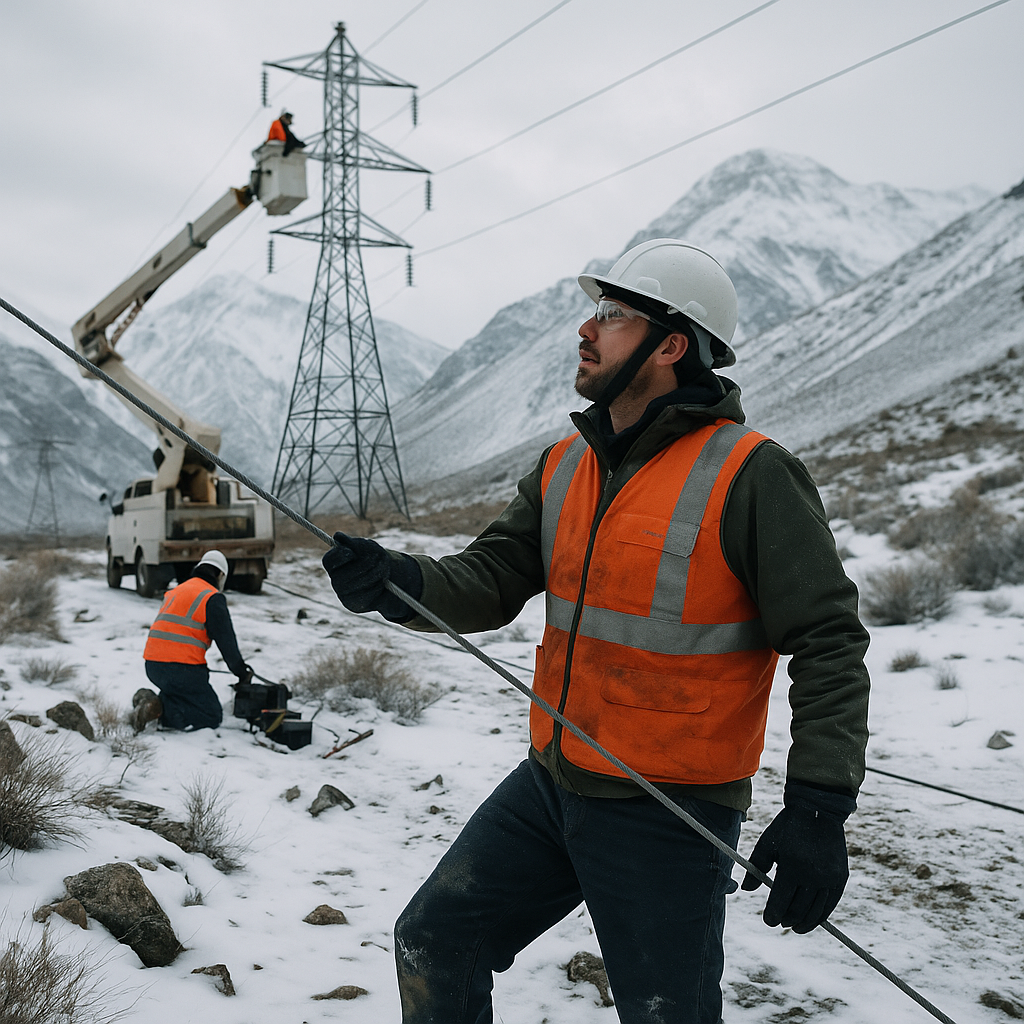
Connecting Lake Tahoe to California’s Independent System Operator (CAISO), which manages most of the state’s grid, would theoretically solve the issue. However, building new transmission infrastructure across the Sierra Nevada would be a monumental task, costing “hundreds of millions of dollars,” according to Liberty’s president, Eric Schwarzrock. The environmental impacts of such a project would likely add another layer of controversy, given the region’s commitment to conservation.
The Growing Cost of Silicon Valley’s Outsourcing
Liberty Utilities’ predicament is emblematic of a larger trend: the trade-offs communities must face as tech and AI industries demand ever-greater resources. Data centers are notorious for their enormous energy consumption, with cooling systems contributing significantly to the load. Yet, for the companies moving into Northern Nevada, abundant and consistently reliable power is non-negotiable.
This shift raises ethical and practical questions about how energy is prioritized. To their credit, tech companies are investing in renewable energy projects, but those efforts are often geographically bound to new facilities rather than benefiting existing communities. As NV Energy’s attention turns to lucrative industrial clients, small utilities like Liberty risk being priced out of procuring affordable electricity.
Residents Left in the Dark—Literally and Figuratively
For residents like Hughes, the sense of being sidelined is palpable. While data centers promise regional economic growth, they also expose Lake Tahoe to higher energy costs, increased uncertainty, and looming environmental concerns. The lack of clear communication compounds the frustration.
“What’s happening here reflects a larger clash between corporate priorities and community well-being,” notes an energy analyst who chose to remain unnamed. As the region prepares for potentially severe winters in the years ahead, ensuring uninterrupted power supply is not just a matter of convenience—it’s a public safety mandate. Yet, solutions remain opaque, marked by bureaucratic hurdles and strained infrastructure relationships.
What Comes Next?
Where does Lake Tahoe go from here? Liberty Utilities is now exploring alternative power sources, including increased investment in solar and wind energy projects. However, these solutions are long-term and may not address the immediate shortfall. Small yet impactful changes—such as heightened energy efficiency programs or the use of microgrids with local battery storage—offer partial relief but are unlikely to cover the 75% energy gap left by NV Energy’s withdrawal.
Meanwhile, wider questions about the AI boom’s human toll linger. Industry observers suggest that states need to take a more proactive role in regulating how energy allocations are determined, even as tech growth continues to accelerate. Without such frameworks, regions like Lake Tahoe may find themselves perpetually at the mercy of market forces.
The Road Ahead
As the clock ticks toward 2027, the stakes for Lake Tahoe couldn’t be higher. Residents are left to wonder whether access to reliable electricity—a fundamental necessity—will remain secure in the wake of technological expansion. With little precedent to follow, the saga unfolding in Lake Tahoe may serve as a harsh wake-up call for other communities navigating the intricate and often imbalanced dynamics of utility management in the digital age.
For now, all eyes are on Lake Tahoe’s utility providers, state regulators, and policymakers to find a solution that ensures both community resilience and regional growth. Will they succeed? Only time will tell.