Four astronauts are expected to launch from Florida’s Space Coast for the International Space Station on Crew-13, according to a headline shared in Reddit’s r/US community. The headline does not specify when liftoff will occur, and it does not establish a confirmed launch schedule for October 2, 2026.
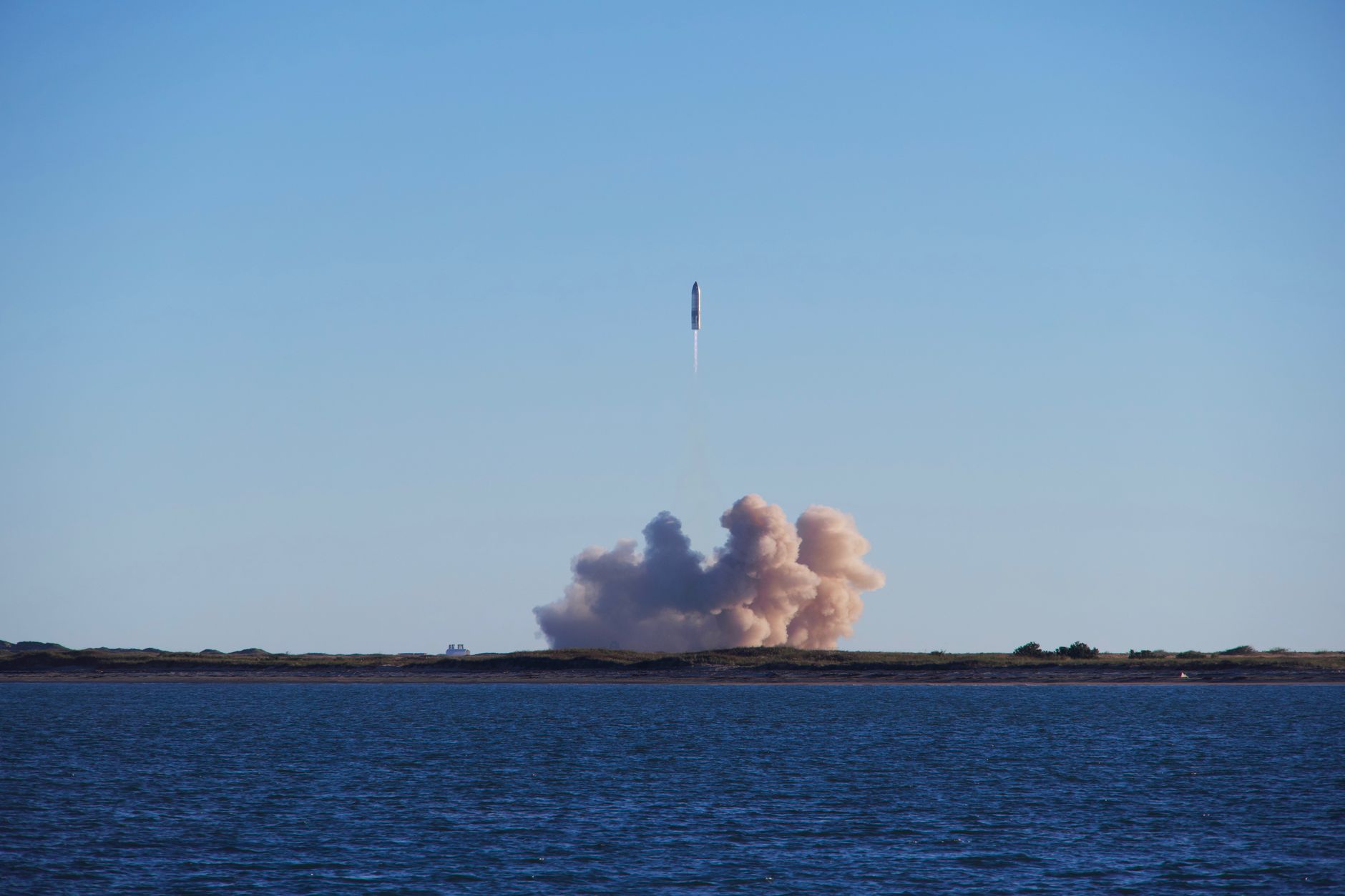
The distinction matters for a crewed spaceflight: an upcoming mission, a targeted launch date and a vehicle cleared for liftoff are different stages of preparation. The headline identifies the planned crew size, departure region and destination, but leaves the operational details unresolved.
What the Crew-13 headline establishes
The central claim is straightforward: a four-person crew is preparing for a flight from Florida to the orbiting laboratory. The headline does not name the astronauts, identify a launchpad, give a departure time or describe how long the crew will remain aboard the station.
It also does not establish that a rocket has reached the pad, that flight-readiness reviews have concluded or that launch-day weather has been assessed. Those details require mission-specific announcements rather than assumptions based on the mission’s name.
Reddit can draw attention to a spaceflight story, but the community post’s title is not a substitute for an official mission update. NASA and the launch provider are the relevant primary sources for a crew roster, scheduling changes and flight status.
Where Crew-13 fits into station operations
The Crew-number naming convention is associated with NASA’s operational SpaceX crew-rotation missions under the Commercial Crew Program. That program uses commercially developed spacecraft and launch services to transport astronauts to and from the space station.
SpaceX’s established transportation system pairs a Falcon 9 rocket with a Crew Dragon spacecraft. The rocket provides the initial climb toward orbit, while Dragon carries the astronauts and performs the subsequent flight to the station. These are features of the broader program, not confirmation of a particular Crew-13 vehicle assignment or launch configuration.
Crew rotations help keep the station staffed while allowing astronauts whose assignments are ending to return to Earth. Their importance extends beyond transportation: each arriving crew supports the laboratory’s continuing research, maintenance and daily operation.
Why Florida is the departure point
Florida’s Space Coast is home to Kennedy Space Center and Cape Canaveral Space Force Station, neighboring facilities with a long history of human and robotic spaceflight. The region provides launch infrastructure, ground support and access to flight paths over the Atlantic Ocean.
A reference to the Space Coast does not, by itself, identify the launch complex. Readers planning to watch in person should distinguish a broad departure location from a confirmed viewing plan, which depends on the assigned pad, local access rules and the launch time.
Even after a date is announced, crewed launches can move. Technical checks, weather, range availability and conditions relevant to an emergency abort can all affect whether a flight proceeds. A published target is therefore not a guarantee of liftoff.
Reaching orbit is only the first step
A successful launch begins the journey rather than completing it. After reaching orbit and separating from the rocket, a crew spacecraft must carry out a sequence of maneuvers to approach the station safely.
The trip requires coordination between the spacecraft, flight controllers and the station crew. Approach and docking procedures are designed to control the vehicle’s position and speed as it closes the distance to the orbital complex.
Docking also does not mean the astronauts immediately enter the station. Crews perform checks before opening the connecting hatches. The exact launch-to-docking timeline varies with the flight plan, so a travel time cannot responsibly be assigned to Crew-13 from the headline alone.
What astronauts do after arrival
Long-duration station crews divide their working time among scientific investigations, equipment upkeep and the practical demands of living in orbit. Research can include studies of human health, materials and physical processes in microgravity, although the Crew-13 experiment list is not established here.
Astronauts also exercise to help counter the effects of prolonged weightlessness and train for emergencies. Maintenance is a continuing responsibility because the station’s life-support, power and other systems must function while people live and work aboard.
When incoming and outgoing crews overlap, a handover can help transfer knowledge about equipment status and ongoing work. The length and arrangement of any Crew-13 handover would depend on the actual rotation plan.
What to watch for next
The most useful next information will be a primary-source announcement identifying the four astronauts and their roles, the targeted launch date and time, and the expected arrival schedule. Flight-readiness updates would then clarify whether preparations remain on track.
For now, the story points to another planned four-person journey from Florida to the International Space Station. It does not establish that Crew-13 is launching today, has received final clearance or has already departed. Those milestones should be reported only when supported by mission-specific information.