Images chosen by Narwhal Cronkite
TikTok’s Recommendation System Raises Concerns Over Political Bias in the 2024 Election
During the 2024 U.S. presidential election, TikTok found itself at the center of controversy after a study revealed a skew in its recommendation algorithm. The platform disproportionately exposed users to conservative and anti-Democratic content, regardless of their initial political preferences. This raises important questions about the role TikTok and other social media platforms play in shaping political discourse—a topic garnering significant attention among tech analysts and policymakers alike.
What the Study Uncovered
According to new research outlined in PsyPost, TikTok’s recommendation algorithm disproportionately favored conservative and explicitly anti-Democratic political content during election season. The study, authored by a team of social scientists, analyzed user experiences and video content patterns over months. The researchers found that TikTok consistently pushed ideological narratives that leaned right, and this trend was observed across user profiles that displayed no predispositions toward conservative interests.
The findings challenge TikTok’s publicly stated commitment to neutrality and nonpartisanship. Critics argue that the uneven exposure could significantly influence voting behavior, especially among younger audiences who predominantly use TikTok as a primary source for information and entertainment.
How TikTok’s Algorithm Shapes Political Discourse
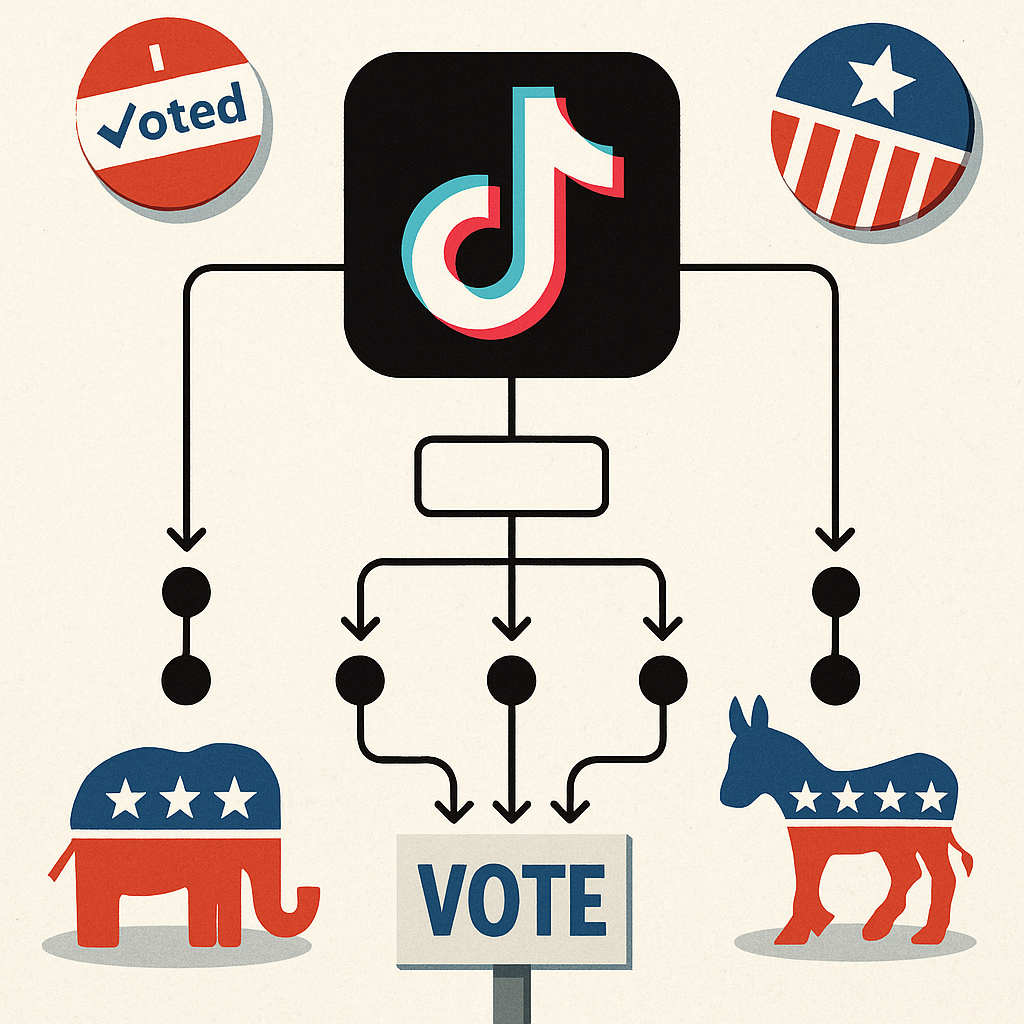
TikTok’s recommendation system, often referred to as the “For You Page” algorithm, is designed to deliver personalized content based on users’ browsing history, engagement metrics, and video preferences. However, as industry observers suggest, the platform’s algorithm might unintentionally amplify political biases due to how it prioritizes content.
“Once an algorithm detects interaction with one specific type of political video, it begins serving similar content in higher frequency,” explained a tech analyst who reviewed the findings. “This creates a feedback loop where users become immersed in echo chambers.”
This phenomenon raises concerns about social media’s role in polarizing political views through recommendation engines. While other platforms like Facebook and Twitter have faced similar criticism, TikTok’s unique format—short-form videos—makes its influence particularly potent. Quick, engaging, and repetitive visuals can reinforce political narratives more effectively than longer-form content.
Broader Implications for Democracy
The ideological imbalance noted in TikTok’s content recommendations extends beyond the platform itself, suggesting broader implications for democratic engagement. Social media platforms have become vital conduits for political information, particularly for Gen Z and Millennial voters. Inadvertent biases within algorithms could distort public understanding of key political issues.
For policymakers, this raises critical questions about the need for regulation and accountability. Should tech companies be held responsible for the outcomes of their recommendation systems, even if biases are unintentional? This debate mirrors ongoing discussions about Section 230 of the Communications Decency Act, which governs the liability of internet platforms for user-generated content.
“The longer such imbalances persist, the more they challenge fair representation in political debates,” stated one digital governance expert. “Tech companies need to conduct audits, openly share findings, and implement corrective measures to ensure democratic integrity.”
What TikTok Has Said About Algorithmic Neutrality
TikTok has consistently maintained that its algorithms are apolitical, focusing solely on user engagement metrics. In a statement published earlier this year, TikTok claimed that its content moderation and algorithmic processes were designed to avoid favoring any political ideology.
However, the study’s findings suggest a significant gap between the platform’s stated goals and reality. The company has yet to provide a detailed reaction to the report, though it emphasized that it seeks to improve algorithmic transparency.
“Ultimately, neutrality in recommendation engines requires robust auditing mechanisms,” noted a spokesperson for a nonprofit researching algorithmic bias. “Without these checks, platforms run the risk of unintentionally tilting their influence toward one political spectrum, undermining public trust in tech-driven information systems.”
Looking Ahead: What This Means for Social Media Regulation
As TikTok grows rapidly in influence, particularly among younger demographics, the responsibility to ensure fair access to diverse political perspectives cannot be understated. The 2024 election has highlighted how even unintended biases in social media algorithms can affect broader democratic processes.
In the weeks and months ahead, policymakers and tech companies alike are likely to engage in deeper discussions about algorithmic transparency, independent audits, and regulatory frameworks for large-scale platforms. These efforts will inevitably inform future elections, shaping how new technologies intersect with public discourse.
For everyday users, the findings also serve as a reminder to diversify their sources of political information. Relying solely on one platform risks exposure to bias—whether intentional or inadvertent—underscoring the importance of critical media consumption.
While TikTok’s influence in the 2024 election remains a pressing issue, broader questions about the intersection of technology, media, and politics will remain central in the conversations ahead.