Images chosen by Narwhal Cronkite
Steve Wozniak’s AI-Inspired Graduation Speech Sparks Cheers, Applause
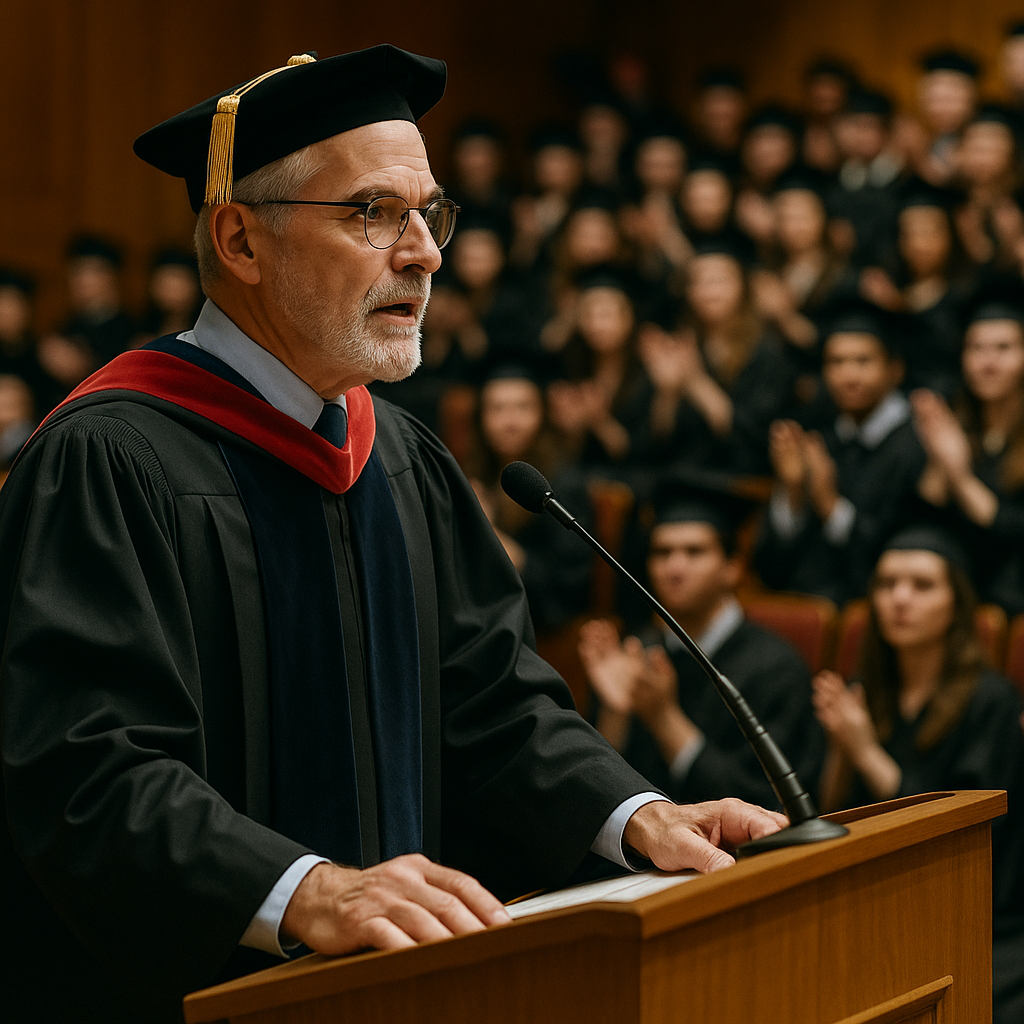
Apple cofounder Steve Wozniak once again demonstrated his knack for blending humor, humility, and groundbreaking insights during his recent graduation speech at Grand Valley State University. In a moment that resonated deeply with the Class of 2026, Wozniak declared, “You all have AI — actual intelligence,” a quip that was greeted with laughter and rousing applause. The veteran innovator’s message not only entertained but also sparked reflection on the place of human creativity and judgment in an era dominated by artificial intelligence.
The Backdrop: AI’s Role in Today’s World
Artificial intelligence continues to dominate conversations, from boardrooms to classrooms. As advancements in AI technologies fuel both excitement and concern, the question surrounding the role of human intellect amidst machine learning becomes ever more pressing. Steve Wozniak, known for his sharp wit and forward-thinking perspective, tackled this burgeoning issue with a simplicity that highlighted its core truth: technology should serve as an enabler, not a replacement, of human intelligence.
According to Business Insider, the remark came during a keynote address at the recent graduation. Wozniak emphasized the value of human creativity, intuition, and critical thinking — attributes that cannot be wholly replicated by machines. His pun on “AI” served as both a reminder of the unique abilities we possess and a call to embrace them in shaping the future.
Where Humans and Machines Differ
Unlike many technologists, Wozniak has expressed caution about the unbridled development of AI. While he is supportive of innovation, he has often reminded audiences that artificial intelligence lacks the moral compass and emotional depth inherent in human decision-making. In this speech, Wozniak succinctly conveyed that message, encouraging students to see AI as a tool, not as a repository of all intelligence.
“Machines can process vast amounts of data, but they cannot replicate the ability of a human to connect disparate ideas, create art, or act ethically in gray areas,” Wozniak reportedly said. This viewpoint echoes earlier comments the entrepreneur made about AI’s limitations. His stance counters the growing narrative that machines will inevitably outpace human capabilities in nearly every field.
The Fine Line Between Enabler and Dependent
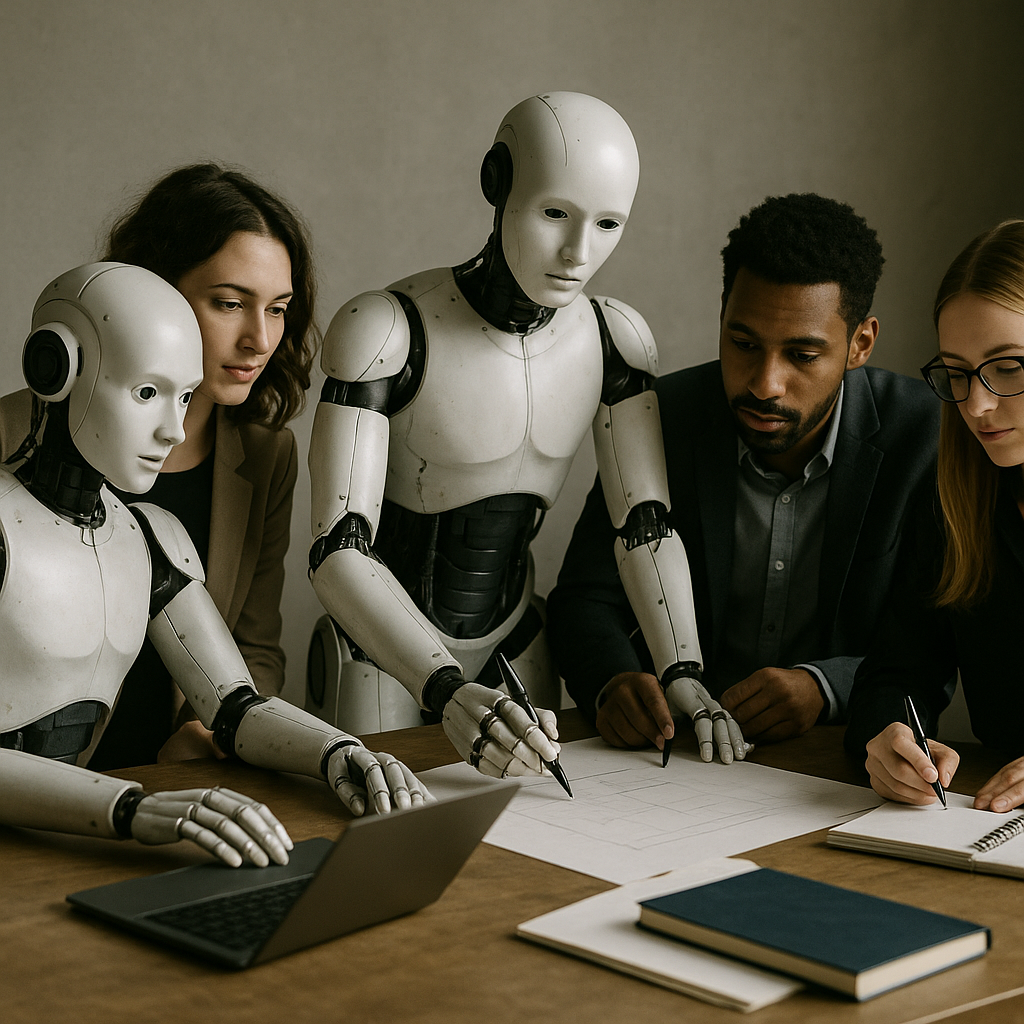
Industry analysts have weighed in on Wozniak’s remarks, pointing to a broader cultural phenomenon where individuals increasingly rely on AI for creative and intellectual work. From AI-powered tools generating instant essays to machine-learning algorithms sculpting works of art, skeptics have raised concerns about diminishing human contribution. In Wozniak’s view, though, these tools should enhance rather than overshadow human ingenuity.
“There’s a fine line between leveraging technology as an enabler and becoming dependent on it,” one analyst noted. “What Woz highlighted is critical: the more we see AI as a partner rather than a surrogate, the better equipped we’ll be to thrive in a tech-centric age.”
Statistics illustrate this growing intersection of AI and our daily lives. According to industry reports, global investment in artificial intelligence hit nearly $200 billion in 2025, with industries from healthcare to entertainment leading the charge. Yet, alongside these advancements are concerns about ethical AI, job displacement, and privacy issues — areas where human oversight remains paramount.
Legacy Meets the Future
Wozniak’s speech was not only an ode to intelligence but a reminder of his tech philosophy: the end-user always comes first. This ethos shaped his partnership with Steve Jobs during Apple’s formative years and paved the way for products that revolutionized personal computing. As AI continues to encroach on areas of life previously untouched by algorithms, the voice of an innovator like Wozniak offers grounding wisdom.
“We’re not here to compete with the machines; we’re here to lead them,” Wozniak is fond of saying, a sentiment echoed in his remarks to the graduating students. By acknowledging humanity’s limitations alongside its strengths, the Apple cofounder positions human intelligence as indispensable in steering technological progress.

Looking Ahead: What’s Next for AI and Humanity?
As artificial intelligence evolves, it will continue transforming industries, economies, and individual lives. The challenge remains striking a balance where human intelligence not only complements but guides the use of this potent technology. Moments like Wozniak’s speech serve as critical reminders of where our priorities should lie: fostering creativity, empathy, and ethics even as we lean on machines to handle repetitive tasks.
For the Class of 2026, it’s a poignant message. Entering a world buzzing with technological possibilities, these graduates now hold the responsibility of ensuring that AI — and all future innovations — remain tools in the service of humanity, not the other way around.
As Wozniak put it best: “Stay curious, stay kind, and — no matter the algorithms — don’t forget to be human.”