Images chosen by Narwhal Cronkite
Canada Joins European Defence Alliance: A Historic Step for Global Security
In an unexpected yet momentous political maneuver, Canada has officially joined the European Union’s Security Action for Europe (SAFE) programme, becoming the first non-European country to participate in the EU’s multilateral defence framework. This groundbreaking partnership represents a significant realignment of transatlantic defence cooperation and demonstrates Canada’s deepening ties with Europe on security matters, as the world grapples with rising geopolitical threats.
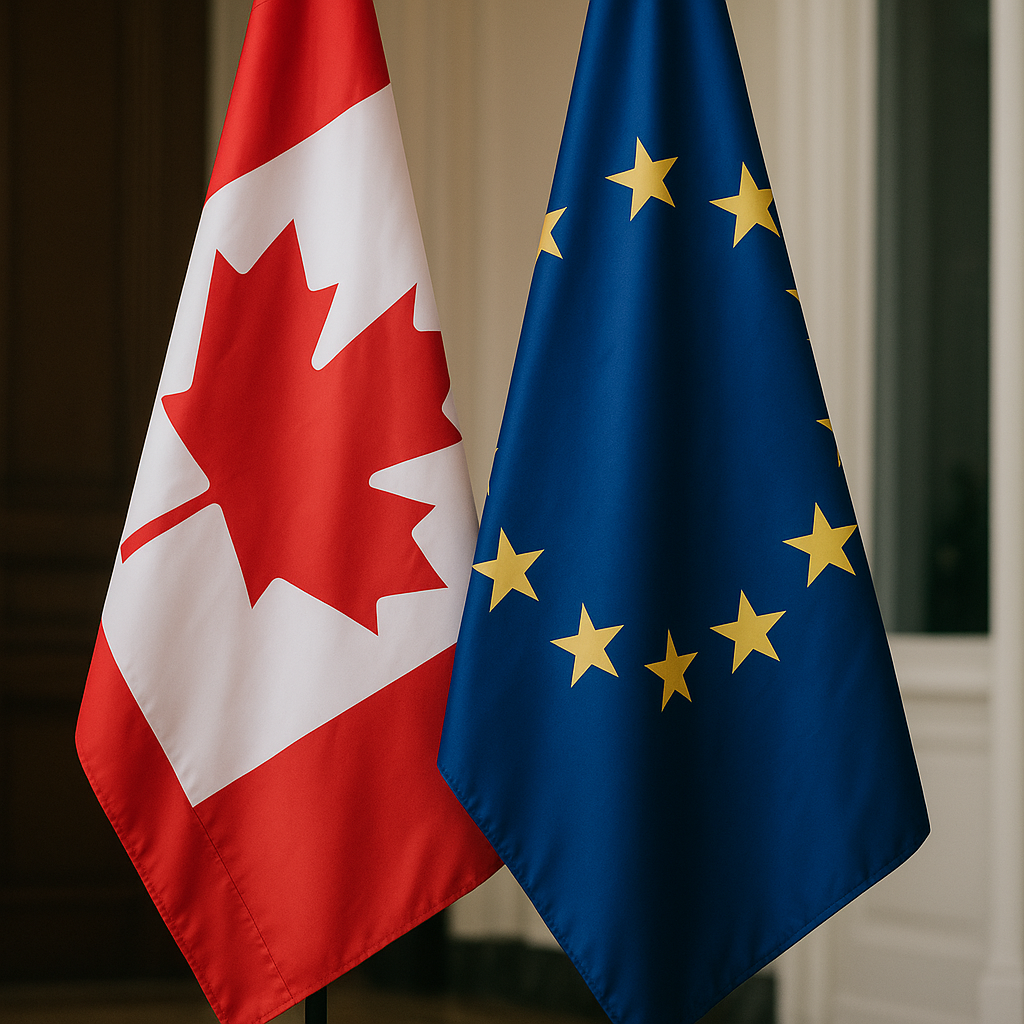
Canada’s Entry into SAFE: Breaking Geographic Barriers
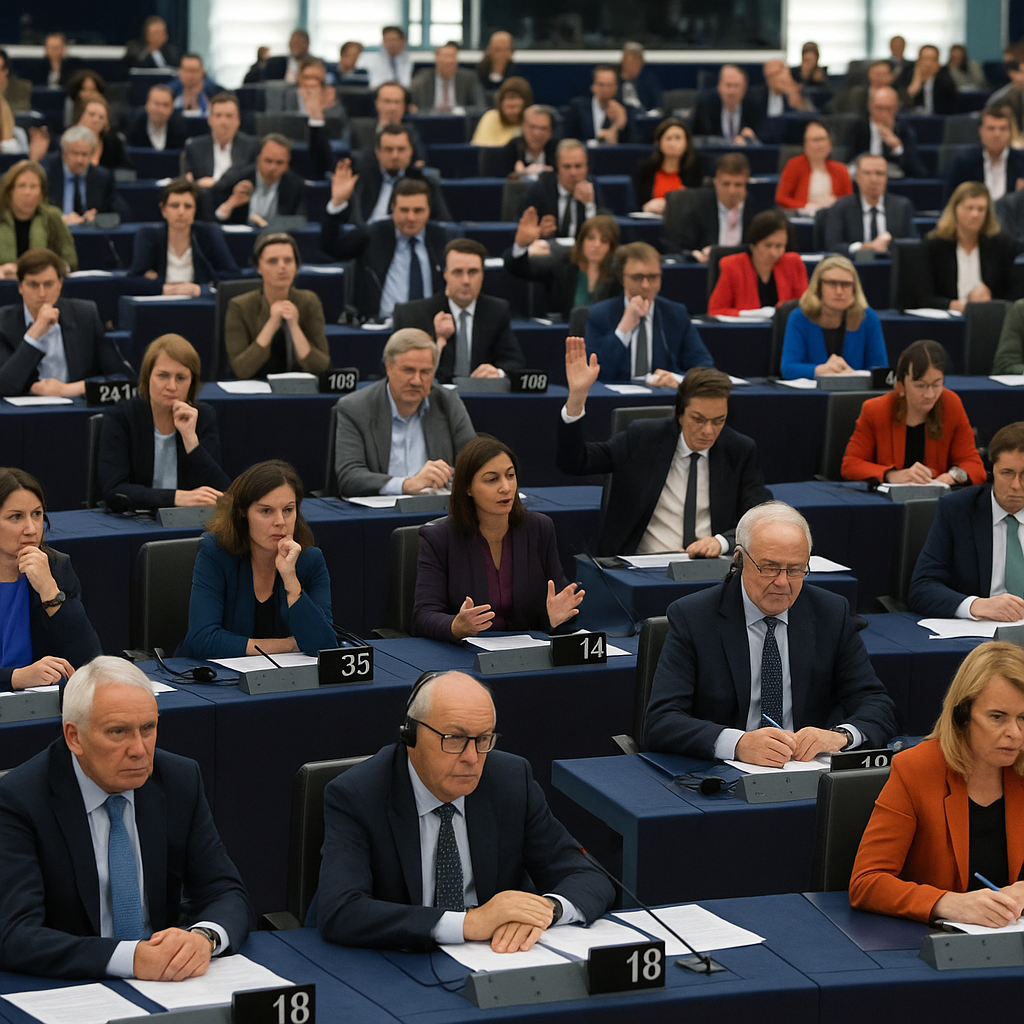
The SAFE agreement, formalized following the European Parliament’s consent vote this month, highlights a fast-tracking of institutional ratification that surprised many analysts. Initially signed at the Brussels Summit in June 2025, SAFE negotiations concluded in December 2025, culminating in Defence Minister David McGuinty’s official signature at the Munich Security Conference in February 2026. With parliamentary approval now secured, the treaty is fully binding on both parties, further integrating Canada into Europe’s strategic security architecture.
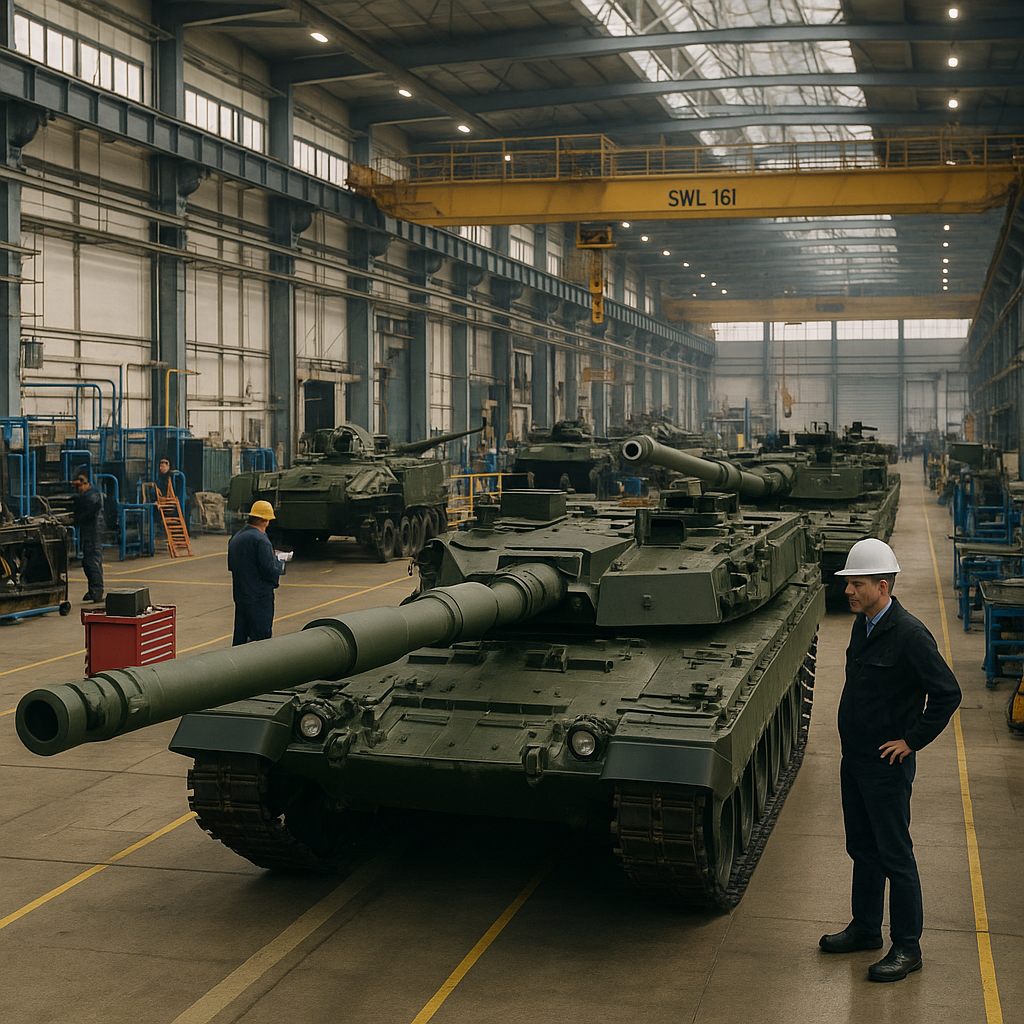
SAFE represents a cornerstone of the EU’s €800 billion Readiness 2030 initiative, aimed at strengthening Europe’s defence capabilities over the next decade. Worth €150 billion, it offers low-interest loans to member states for collaborative procurement of key military systems. Canada’s participation defies the programme’s traditional rules, as its negotiated exemption enables Canadian suppliers to contribute up to 80% of the value in joint procurement contracts—an unprecedented concession for a non-EU country.
According to Polish MEP Borys Budka, “Transatlantic cooperation is no longer just a slogan; it is becoming a supply chain… Canada is with us. That is the message today’s vote sends to the world.”
Economic Opportunities and Strategic Implications
For Canada’s defence manufacturers, SAFE participation opens lucrative opportunities in Europe’s growing procurement market, enhancing competitiveness alongside EU-based companies. Spanish MEP Nicolás Pascual de la Parte remarked, “Welcome, Canada. Our reliable security-building partner is the first non-European country to join SAFE and deepen our defence ties.”
The financial implications are substantial. By allowing Canadian firms to supply up to 80% of components in collaborative procurement processes, Canada’s defence industry is positioned to benefit from billions of euros in contracts. Beyond revenue, these partnerships translate into strengthened transatlantic supply chains designed to mitigate global risks such as energy weaponization and cyber vulnerabilities.
An integral clause ties commercial access to collective defence obligations, requiring Canada to contribute proportionally to Ukraine’s defence industry based on its SAFE revenues. This provision aligns economic interests with geopolitical commitments, adding a layer of accountability rare in third-party participation agreements.
Transatlantic Defence: A Common Security Vision
Canada’s inclusion in SAFE underscores a shared perception of modern threats and a unified approach to addressing them. Europe, described by many analysts as “rearming” in response to escalating tensions in Ukraine and broader security challenges, sought a reliable non-European partner to bolster its defence readiness. Canada’s long-standing NATO membership and unwavering support for peacekeeping missions positioned it as the ideal candidate.
The participation agreement generates significant positive political messaging. Polish MEP Budka highlighted the symbolic importance of the partnership: “This expands beyond transactional value. It is about trust, shared values, and standing together as one in uncertain times.” The agreement reflects an evolution of transatlantic partnerships into more integrated operational spheres, with SAFE acting as a vehicle for tangible collaboration.
Challenges Ahead: What Could Dampen Momentum?
While Canada’s participation is largely celebrated, the road ahead is unlikely to be completely smooth. Stakeholders raise concerns regarding financial commitment thresholds, particularly Canada’s €10 million entry fee coupled with ongoing contributions tied to procurement revenues. As global economic uncertainty lingers, meeting these obligations may face scrutiny back home.
Moreover, analysts warn of challenges in navigating supply chain complexities. Adjusting industrial strategies and adapting production schedules to EU expectations for joint procurement could strain manufacturing capacity, especially for companies used to catering to the US defence market.
Another consideration lies in broader geopolitical shifts. The escalating US-Israeli war with Iran, as noted by News24, has already cost companies $25 billion globally. Canada’s SAFE collaboration will need to balance European engagement with its traditional alignment with US foreign policy priorities, especially amidst unpredictable security landscapes.
Implications and What’s Next?
Canada’s joining of SAFE is not just about loans and contracts; it’s about redefining the role of countries in global security networks. As Europe continues expanding its capacity under Readiness 2030, Canada’s alliance equips it with shared knowledge, bolstered credibility, and a larger stage in international diplomacy.
What’s next? Experts will be closely monitoring the effectiveness of Canada’s industry contributions under SAFE, the execution of Ukraine defence-based financial obligations, and whether other non-European nations—potentially Japan or Australia—might follow suit with their own EU defence partnerships. The choice to actively integrate global allies speaks volumes: partnerships matter as much as geographic proximity in today’s interconnected security equation.
As Spanish MEP Pascual de la Parte aptly noted, “Canada’s involvement sets a precedent for the future of global security cooperation. Welcome to the new age.”