Images chosen by Narwhal Cronkite
Valorant’s New Vanguard Update: Tipping the Scales Against Cheat Devices
Riot Games has ignited heated conversations across the gaming world with its latest update to Vanguard, the kernel-level anti-cheat system that accompanies its blockbuster titles, Valorant and League of Legends. According to Riot, the update has rendered cheat-enabling hardware devices completely unusable for their games—raising eyebrows while drawing praise from some corners of the gaming industry. However, questions around broader implications, potential overreach, and user safety still linger in the air.
The controversy stems from claims by a subsection of users who allege that Vanguard’s aggressive intervention has left their PCs “bricked.” Riot, however, has publicly denied these allegations, delivering a cheeky response: “Congrats on your $6k paperweights.” So, what’s really happening here, and why has Riot’s anti-cheat approach divided opinions once again?

Kernel-Level Anti-Cheat: A Powerful Double-Edged Sword
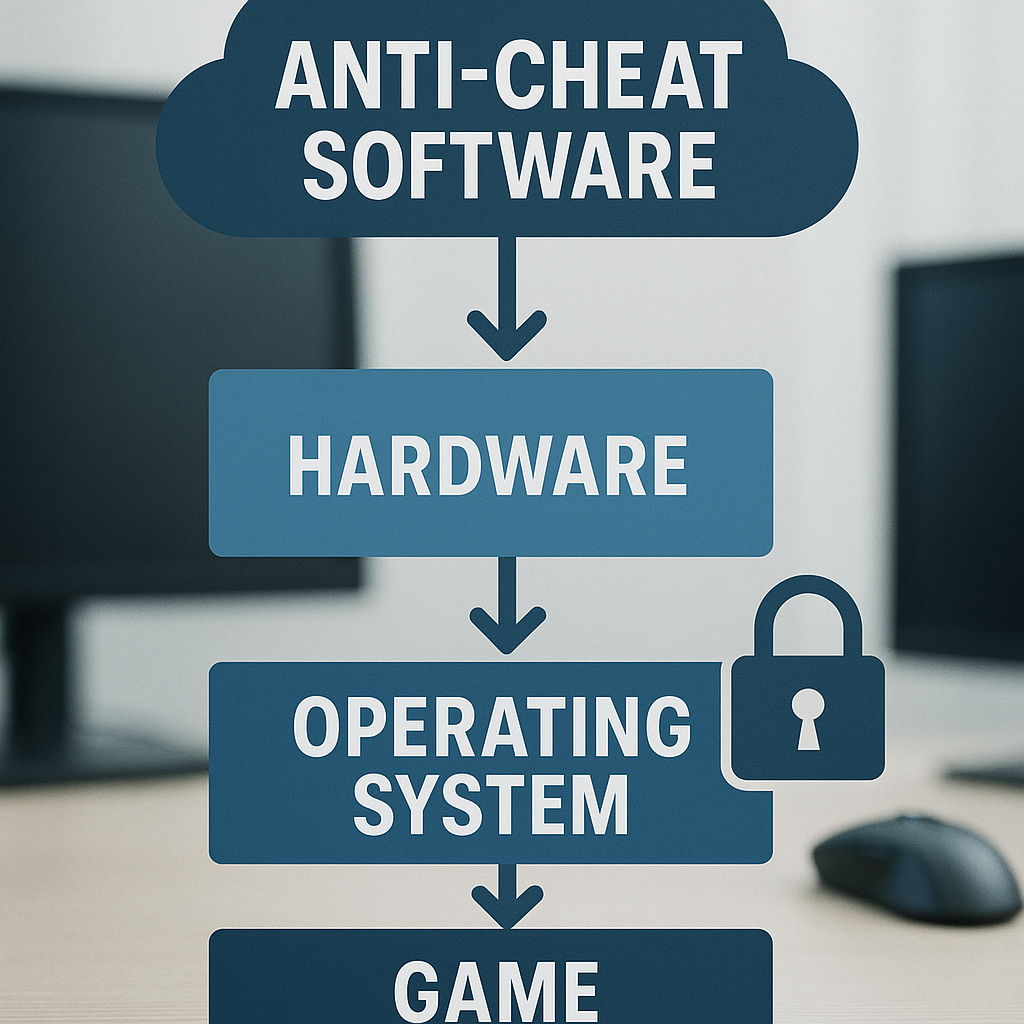
To understand the uproar, one must first grapple with how Vanguard operates. Unlike standard anti-cheat software, Riot’s Vanguard functions at the kernel level of a computer’s operating system—the deepest layer with the highest degree of access and control. This design ensures that cheat software or hardware cannot easily bypass detection, but it has come with its share of criticism since launching alongside Valorant in 2020.
Some users initially feared that such deep-level permissions might lead to system malfunctions or privacy violations. These concerns flared up again in 2024 when Vanguard was adopted for League of Legends. Technical malfunctions suffered by high-profile players, such as streamer Nick “LS” De Cesare, briefly fanned the flames of mistrust towards Riot’s anti-cheat ambitions.
Even today, industry analysts remain divided on how much control anti-cheat systems should exert. Scott Jennings, a veteran game developer, notes, “Kernel-level access offers unparalleled efficiency in combating cheats, but the trade-off is that players feel they’re losing autonomy over their own machines. It’s a precarious balance.” With new allegations of Vanguard interfering with cheat-enabling firmware outside of Valorant, Riot’s update appears to push the boundaries of this balance even further.
Cheat Devices Turned Into ‘Paperweights’
The heart of the matter lies in DMA (Direct Memory Access) hardware devices, a form of cheat-enabling technology that became a target with the recent Vanguard update. These devices, equipped with DMA firmware, allow players to bypass anti-cheat systems by manipulating memory processes to gain an unfair advantage in games like Valorant.
In a post by the user ‘ogisada’ on platform X, they claimed that Vanguard triggered an IOMMU (Input-Output Memory Management Unit) restart warning during gameplay. This warning rendered the DMA firmware permanently ineffective—seemingly intertwined with the firmware at a hardware level. Riot’s response clarified that Vanguard is designed to disable such cheat devices when IOMMU is active, making these devices unusable for their games without altering the player’s PC functionality. “We would not, and cannot, impact your PC’s functionality in any other fashion,” the company asserted.
However, according to the claims made online, the only remedy for restoring such devices to a working state was a full reinstallation of the Windows operating system. Though Riot denied allegations that Vanguard damages core PC components, some gamers counter that the enforced changes are disruptive—a sentiment that underscores the risks of employing intrusive anti-cheat technologies.

A Landmark in Anti-Cheat Enforcement?
Riot’s update represents a landmark escalation in the war against gaming cheaters. Industry experts suggest that targeting hardware-based cheats could signal a shift in overall anti-cheat strategies across the competitive gaming ecosystem. By eliminating ways to circumvent detection at the hardware level, companies like Riot are working toward fairer gaming environments. But at what cost?
According to Alex Haynes, an esports integrity consultant, “Cheat hardware is incredibly hard to detect and disrupt without going deep into OS processes. Riot’s move sets a precedent for anti-cheat systems in general, but it also opens up questions about player trust and accountability.” Haynes further stressed that gaming giants must be transparent about the extent of their systems’ access, ensuring they don’t overstep boundaries in their pursuit of a level playing field.
If effective, Riot’s model could inspire other developers to follow suit—implementing similar countermeasures in competitive titles ranging from Counter-Strike 2 to Call of Duty: Warzone. Yet the controversy surrounding “overreach” may lead to lawsuit risks or even regulatory discussions, particularly within regions with stricter digital privacy laws.
Player Reactions and Future Risks
Unsurprisingly, reactions from the gaming community have been polarizing. While anti-cheat advocates applaud Riot’s efforts in leveling the playing field, critics view the update as an encroachment on user autonomy and device functionality. Some players openly expressed concerns that Vanguard’s methods might inadvertently affect non-cheat-related software, while others maintain that the inconvenience to cheat device owners is a small price to pay to preserve game integrity.
From a legal perspective, Riot operates in murky territory. Though the company insists that Vanguard doesn’t “brick” PCs or remove the ability to revert changes, questions about the ethics of tampering with users’ hardware or firmware have sparked debate. Where exactly does the line fall between combating cheats and safeguarding consumer rights?
Looking Ahead: Implications for Competitive Gaming
The ongoing dispute surrounding Valorant’s Vanguard update highlights a key tension in competitive gaming: the constant battle between publishers, cheaters, and players. Increasingly advanced cheat technologies force developers to embrace more aggressive mitigation tactics, but achieving this balance is no small feat.
For esports organizers, developers, and the wider gaming public, Riot’s approach could mark the beginning of a more hardline stance against all forms of cheating, extending beyond software fixes to hardware interventions. However, with great power comes great responsibility. As Riot continues developing its anti-cheat technologies, it must prioritize transparency, seeking input from both players and legal experts to avoid stepping on a minefield of mistrust and regulatory conflict.
For now, one thing remains clear: cheat enablers in Riot’s ecosystem have met their match. Whether this represents the future of gaming security or a potential flashpoint for controversy, only time will tell.