President Trump has directed the Navy to abandon the electromagnetic launch system used on its newest aircraft carriers and return to older steam catapult technology, according to a report from the Wall Street Journal. The order, issued this week, caps years of pressure from the president on a program that Navy officials say has already cost billions of dollars to develop and install.
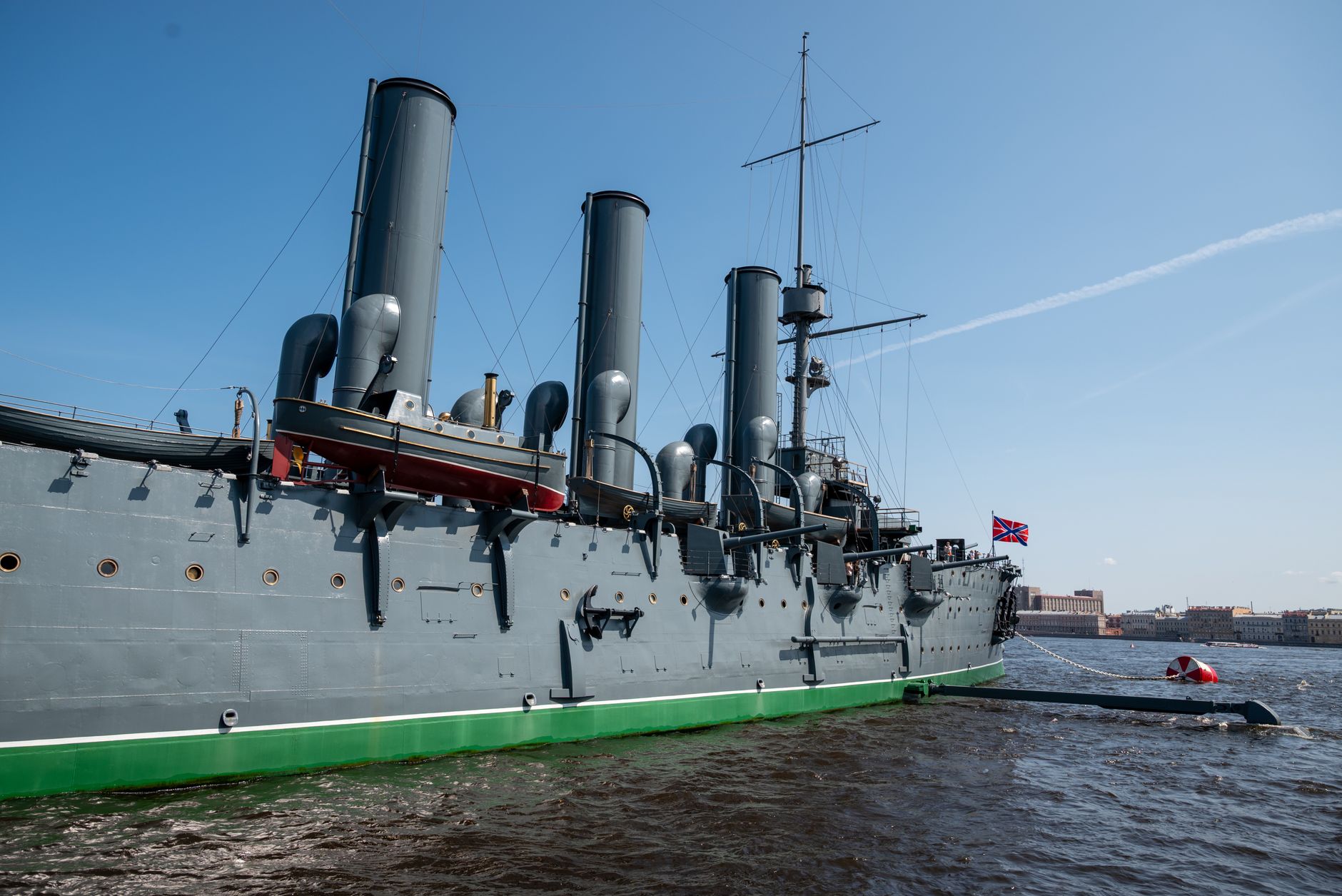
Trump has criticized the Electromagnetic Aircraft Launch System, known as EMALS, since his first term, arguing that steam-powered catapults are simpler, cheaper to maintain, and more reliable for launching jets from carrier decks. Navy engineers and shipbuilders have spent years pushing back on that view, contending that EMALS produces less mechanical stress on aircraft, launches a wider range of plane weights, and requires fewer sailors to operate.
A Years-Long Dispute Resurfaces
EMALS was designed to replace the steam catapults that have launched Navy jets since the 1950s. The system uses electromagnetic energy rather than steam pressure to fling aircraft off the flight deck, and it was built into the Ford-class carriers as a centerpiece of the Navy’s modernization push. The lead ship, the USS Gerald R. Ford, entered service in 2017 after years of cost overruns and testing delays tied in part to the new catapult system.
Trump raised objections to the technology publicly as far back as 2017, telling reporters he had instructed the Navy to consider switching back to “goddamned steam.” At the time, Navy leadership treated the comments as more of a talking point than a directive. The Journal’s reporting indicates that dynamic has now changed, with the administration formally pushing the service to reverse course on ships already built or under construction.
What the Switch Would Cost
Naval officials who have studied the issue say ripping out EMALS and re-engineering carriers for steam propulsion would be enormously expensive and technically complicated. Steam catapults draw power from a ship’s nuclear reactors in a fundamentally different way than the electromagnetic system, meaning a reversal isn’t a simple swap of parts but a redesign of core shipboard systems.
- Retrofitting in-service carriers could require dry-dock periods lasting months or years.
- Contractors would need to re-certify launch systems across the fleet, adding testing time.
- Analysts cited in the Journal’s report estimate the total cost could run into the billions of dollars, on top of what the Navy has already spent developing and installing EMALS.
The Navy has publicly defended EMALS’ performance in recent years, noting improved reliability rates after early technical problems were resolved. Still, the system’s development was plagued by delays that pushed the Ford’s commissioning years behind schedule and drew repeated criticism from government watchdogs and lawmakers on the Armed Services committees.
Pressure on an Already Strained Fleet
The order lands at a moment when the Navy’s carrier fleet is already facing scrutiny over readiness and personnel issues. The service has spent much of the past year responding to questions about morale and safety aboard its ships, including reports that sailors aboard the USS Abraham Lincoln attempted to jump overboard during an extended deployment, and families of Lincoln crew members pressing the Navy for better mental health support. Those episodes have fueled broader debate in Congress over whether shipbuilding priorities are keeping pace with the demands placed on sailors.
Diverting funding and engineering resources toward reversing a major carrier system, rather than addressing crew welfare or accelerating new ship construction, is likely to draw additional scrutiny from lawmakers who oversee Navy budgets. Committee members have previously pressed the service on both the pace of Ford-class deliveries and the human costs of long deployments.
Industry and Congressional Reaction
Shipbuilders involved in the Ford-class program, including Huntington Ingalls Industries, have not issued detailed public comments on the directive. Congressional aides told the Journal that lawmakers on relevant committees are seeking a formal cost and timeline estimate from the Navy before any retrofit work begins. Given the scale of the Ford-class program, any redesign would likely require new appropriations and could reopen contract negotiations with the systems’ original suppliers.
Former Navy officials have noted that scrapping EMALS after more than a decade of investment would be an unusual reversal for a major defense program, one more commonly associated with cost growth than outright technological retreat. Whether the directive results in a full fleet-wide retrofit or a more limited pilot effort on a single carrier remains unclear, and the Navy has not released an official cost estimate or timeline in response to the order.
The dispute underscores a broader tension in defense procurement between political leadership’s preference for proven, simpler systems and engineers’ push toward newer technology meant to improve long-term performance.
The Pentagon has not yet detailed how or when the transition would begin, and officials have not said whether the change would apply to carriers already at sea, those under construction, or only future builds.