Images chosen by Narwhal Cronkite
Are We Losing Privacy? Larry Ellison’s Stark Warning on Constant Surveillance
In a chilling statement that has sparked global debate, Oracle co-founder Larry Ellison recently remarked, “Citizens will be on their best behavior, because we’re constantly recording and reporting everything that is going on.” This sentiment, shared at a time of rapid technological advancement, is a stark reminder of how modern surveillance threatens the erosion of personal privacy.
The Age of Omnipresent Surveillance
Ellison’s words paint a striking picture of the future—one where pervasive monitoring forces citizens to self-censor their actions. The implications are profound, touching on human behavior, societal trust, and the rights to privacy that many hold dear. According to TechRadar, Ellison’s observation reflects the reality of the growing interconnection between governments and tech giants. Companies like Oracle wield immense power, often developing technologies used for comprehensive data collection and analysis.
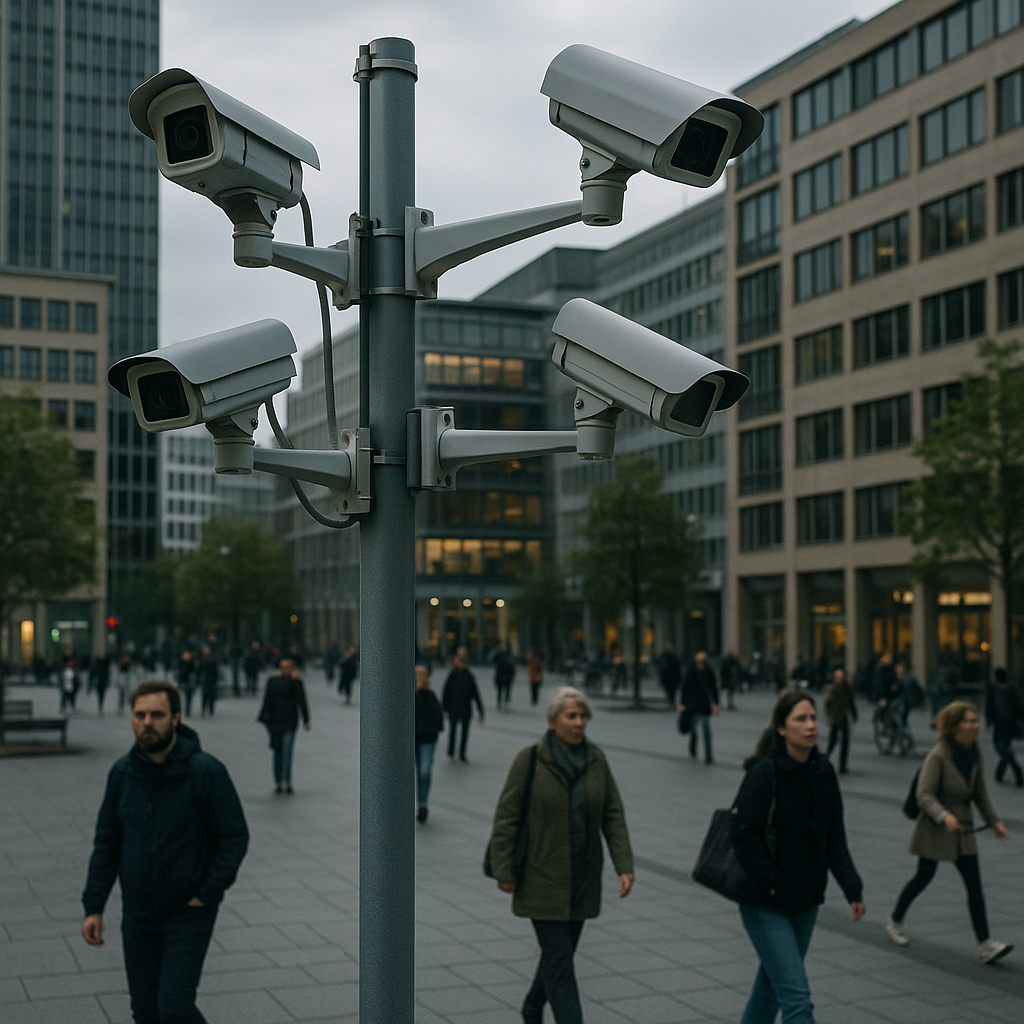
Surveillance isn’t new, but its scale has exploded in recent years. Facial recognition, smart city infrastructure, and IoT devices have given rise to an ‘always watched’ culture. Industry analysts note that the line between security and intrusion feels increasingly blurry as nations justify these measures in the name of enhanced safety.
Is Privacy Being Sacrificed for Security?
The conversation around surveillance frequently revolves around the need for security. Governments worldwide argue that tracking data helps prevent terrorism, cybercrime, and other threats. Yet critics counter that such measures often sacrifice freedoms for safety. The potential misuse of these systems—either through direct government overreach or corporate exploitation of data—raises alarms among activists and legal experts alike.
Ellison’s statement strikes close to home amid ongoing controversies surrounding privacy legislation, including President Trump’s recent directive supporting “enhanced monitoring” via tech partnerships. Privacy advocates warn that these initiatives could pave the way for unchecked authority over citizens’ personal data.
Data from Statista shows surveillance camera deployment has multiplied, with over 1 billion cameras estimated globally by 2025. Many of these are linked to AI systems capable of predictive analytics, raising concerns about algorithmic bias and lack of accountability.

Industry Observers: Paving the Way for a ‘Smart Citizen’ Era?
From Silicon Valley to global tech hubs, industry professionals appear divided. Supporters of surveillance highlight many tangible benefits—a safer society, reduced crime, and streamlined public processes. For example, the development of smart cities promises enhanced urban living through interconnected infrastructure.
However, skeptics point to the pitfalls of such systems. According to a recent ActivistPost investigative report by Iain Davis, Silicon Valley oligarchs have laid the groundwork for regionalized ‘smart-city states’ where every detail of a citizen’s life is monitored for economic gain. This paradigm risks creating a dystopian world where freedom is subordinate to corporate surveillance.
Tech ethics advisor Maria Trent cautions that once privacy is lost, re-establishing it becomes nearly impossible. “Are we being trained to accept total transparency as the norm? It’s worrying that people are not opposite to sacrificing personal rights for convenience,” Trent remarked in a public forum on surveillance trends.
The Rise of AI in Data Reporting
AI plays a transformative role in organizing and leveraging the enormous volumes of data generated by modern surveillance systems. Algorithms can identify irregular behaviors, traffic patterns, and even emotional responses, with applications spanning urban planning and national security. Nonetheless, the ethics surrounding AI-driven monitoring have sparked fiery debates.
AI-powered surveillance holds the capacity to move beyond observation into active reporting. “Smart citizens”—a term floated in tech circles—signifies individuals who are monitored by systems pre-equipped to analyze, predict, and report behaviors directly to authorities.
Ellison’s comments suggest a trajectory toward extreme accountability—citizens behaving near-perfectly simply because they fear being watched. But how does this impact creativity, dissent, or even democracy’s functioning? Experts like Dr. Priya Malhotra stress how such systems may stifle social movements and limit cultural expressions seen as non-conforming.
The Road Ahead: What Should We Watch?
As citizens and consumers, the debate on privacy underscores our responsibility to remain informed and vigilant. Governments, corporations, and technologists must establish clear ethical guidelines for data use and monitoring. Transparency, accountability, and regulations designed to limit misuse are critical pillars for building trust in this digitally dominated age.
For now, Ellison’s warning acts as a wake-up call: privacy is no longer the default—it’s becoming a privilege fought for proactively. Each piece of legislation, every innovation, and public pushback against unchecked surveillance will shape humanity’s future relationship with its inalienable rights.
The question remains: Are we prepared to demand our privacy, or will we continue down the path of endless observation in pursuit of safety and convenience?
Stay tuned as NarwhalTV continues to explore this dynamic topic over the coming months.