Images chosen by Narwhal Cronkite
Scientology ‘Speed Running’ Trend Sparks Debate in Los Angeles
What happens when TikTok trends collide with the controversial world of Scientology? A new social media craze known as ‘speed running’ has left Los Angeles abuzz, drawing attention to the Church of Scientology’s Hollywood headquarters while raising legal and ethical questions.
The Trend Behind the Headlines
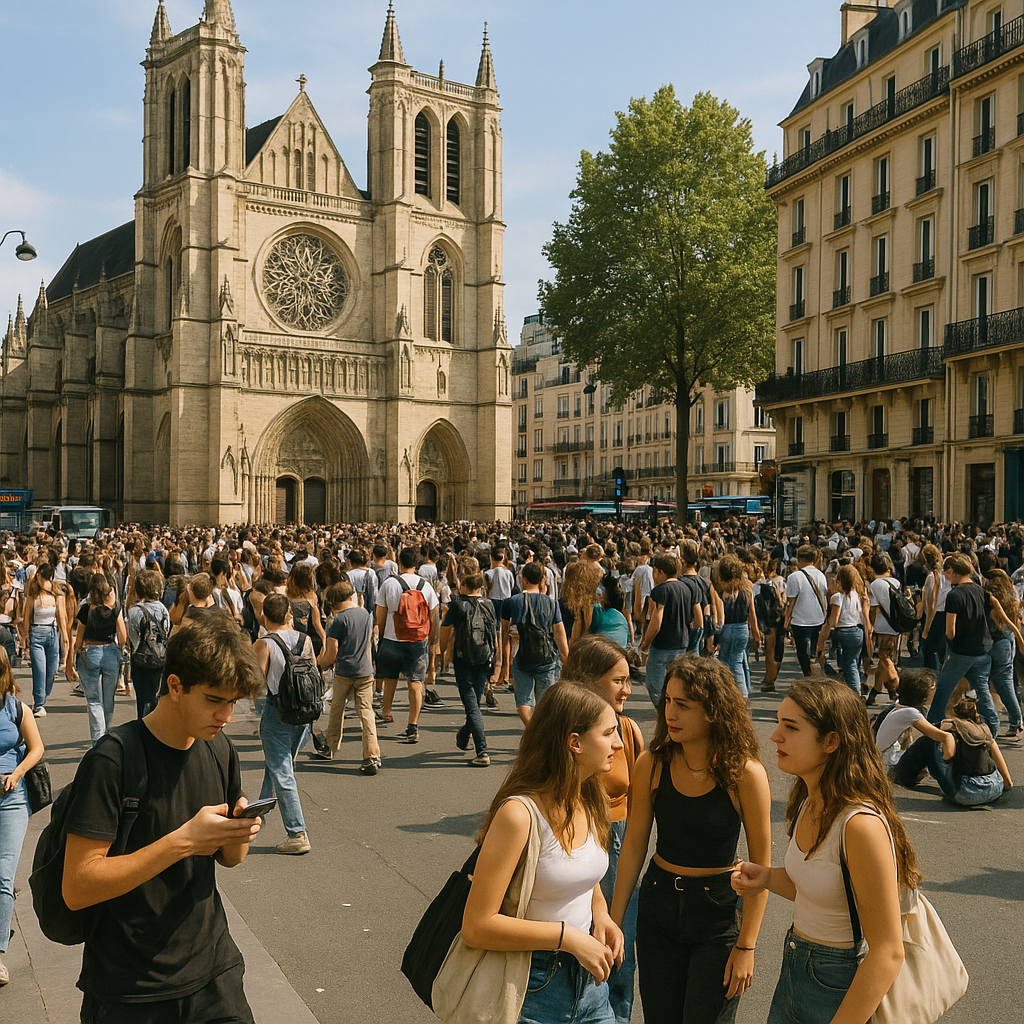
For those unfamiliar, ‘speed running’ refers to young people rushing Scientology buildings—oftentimes breeching security—documenting their antics for social media fame. What started as a niche concept from isolated content creators has quickly escalated into viral notoriety, racking up millions of TikTok views.
The public intrigue seems fueled equally by the Church’s mysterious reputation and the adrenaline rush of breaking societal norms. According to a spokesperson with the Church, this trend reached a tipping point with a large-scale incident on Saturday, where dozens stormed its Hollywood property, resulting in injuries and legal complaints.
Scientology: Both Magnet and Lightning Rod
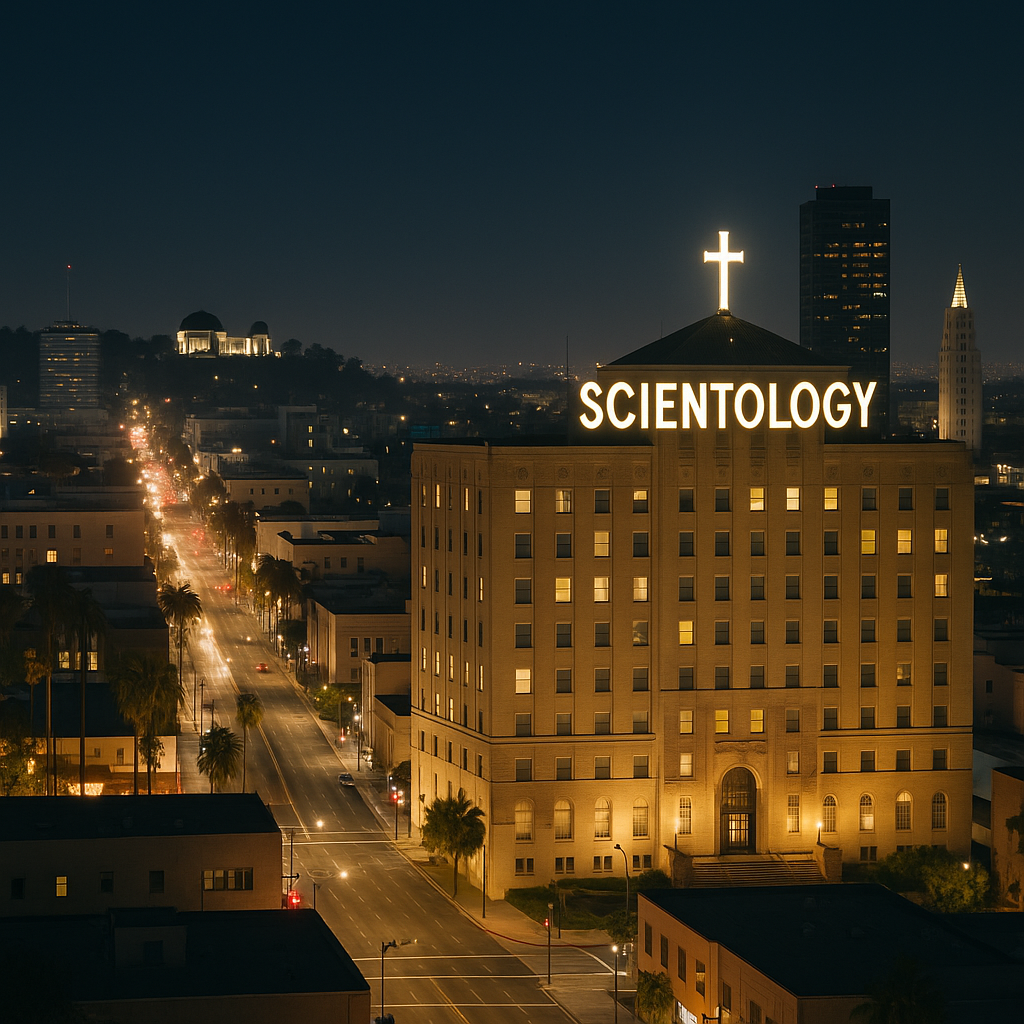
Founded in the 1950s by sci-fi writer L. Ron Hubbard, Scientology has long been a source of fascination in American culture. Known for its celebrity members such as Tom Cruise and John Travolta, the Church boasts high visibility in Los Angeles, home to its global headquarters.
But its prominence has been matched by controversy. Former members, such as Leah Remini, have been outspoken in labeling the Church as cult-like, resulting in documentaries and exposés. The mystique surrounding its closed-door policies only compounds public interest, giving rise to phenomena like the speed-running trend.
The Legal Fallout: Trespassing or Harassment?
The Church of Scientology is taking a firm stance. “Turning peaceful spaces into targets for viral stunts is trespass, harassment, and disruption of religious facilities,” the organization stated, as reported by The Guardian. They are reportedly reviewing legal remedies while working with law enforcement.
Los Angeles Police Department’s representative confirmed to The Guardian that they have logged reports of trespassing linked to speed-running attempts. However, no arrests have been made thus far. This leaves investigators in a gray area, where viral antics stop short of outright criminal behavior, yet threaten the rights of private institutions.
The Role of Content Creators
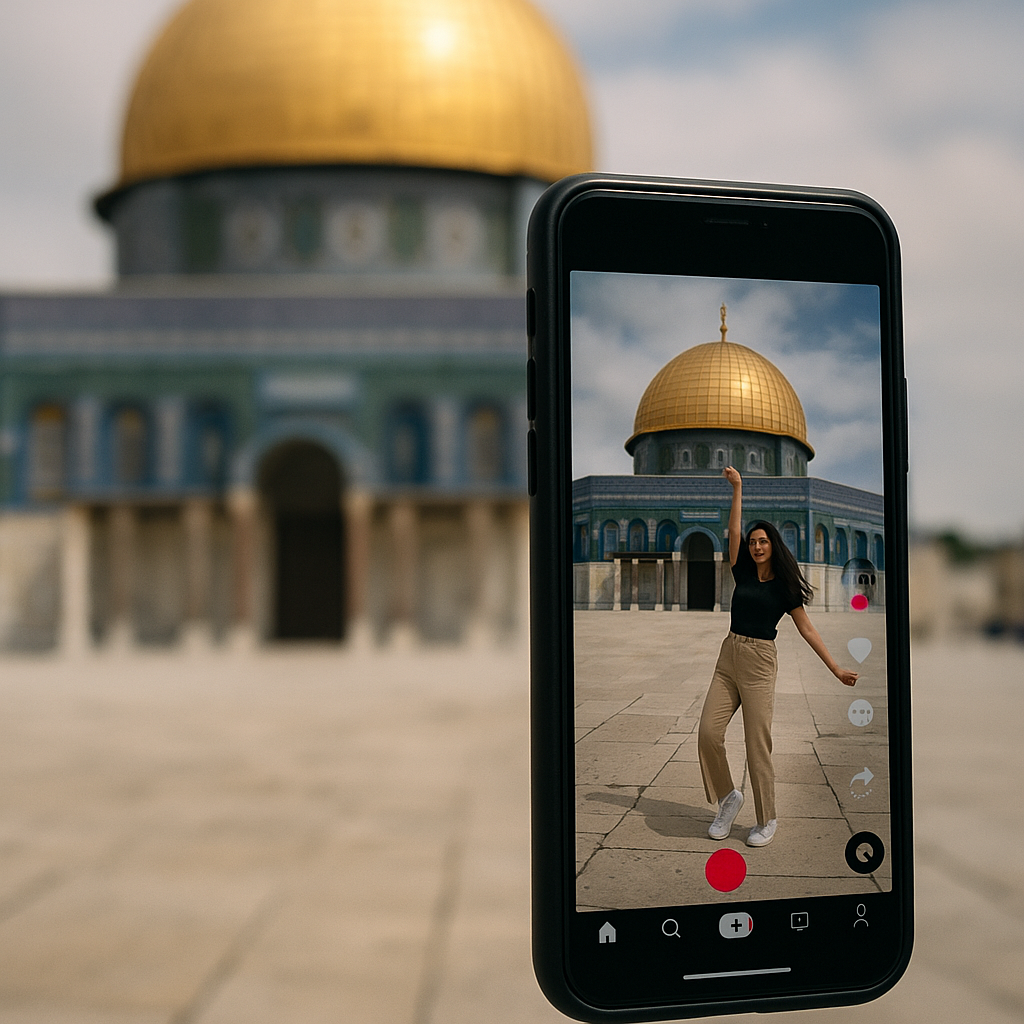
The trend’s origin points to teenage influencer known as Swhileyy. His initial video, showing himself on Church property, set the dominoes in motion. While he has since denounced imitators, saying, “I do not condone what I did,” his actions unintentionally inspired a wave of attempts among his followers.
Nevertheless, this raises broader questions: when does social media content go from entertainment into potential legal issues? Observers and legal analysts argue platforms like TikTok cannot entirely absolve responsibility when such trends spark real-world consequences.
What Comes Next?
As the Church of Scientology pursues remedies, ranging from step-ups in private security to potential lawsuits, broader implications loom. TikTok’s user policies may also come under scrutiny amid growing concern about platform accountability for real-world disruptions.
Meanwhile, city officials and law enforcement agencies are faced with balancing First Amendment protections and the prevention of disruptive behavior. What happens next in Los Angeles may set a nationwide precedent for how institutions respond to social-media-fueled public intrusion.
For now, the Church seems intent on safeguarding its properties while broadcasters debate the ethics of viral dramatizations. Industry experts predict that some form of legal precedent will emerge, much as media stunts before have shifted liability discussions involving influencers.
Ultimately, creators, religious institutions, and homeowners may find themselves re-examining established rules around digital fame-seeking versus material realities.
What to Watch Going Forward
If the ‘speed running’ raids continue unchecked—or if another viral twist emerges—it will force continued dialogue around personal freedoms versus institutional safeguards. Whether LA serves as the flashpoint for broader legislative changes, one thing remains clear: the bizarre clash between social media trends and centuries-old religious institutions is drawing attention in ways few could have anticipated.