Images chosen by Narwhal Cronkite
Meta’s AI Contractor Fires 1,100 Trainers Amid Privacy Backlash Over Ray-Ban Glasses
A staggering decision by a Meta contractor to terminate more than 1,100 artificial intelligence trainers has thrust privacy concerns and corporate accountability into the spotlight. This drastic move followed revelations that the AI trainers had disclosed troubling details about Meta’s Ray-Ban smart glasses recording private and intimate moments without users’ knowledge. The controversy not only raises alarms about data privacy but also challenges the future of wearable technology in an increasingly surveilled world.
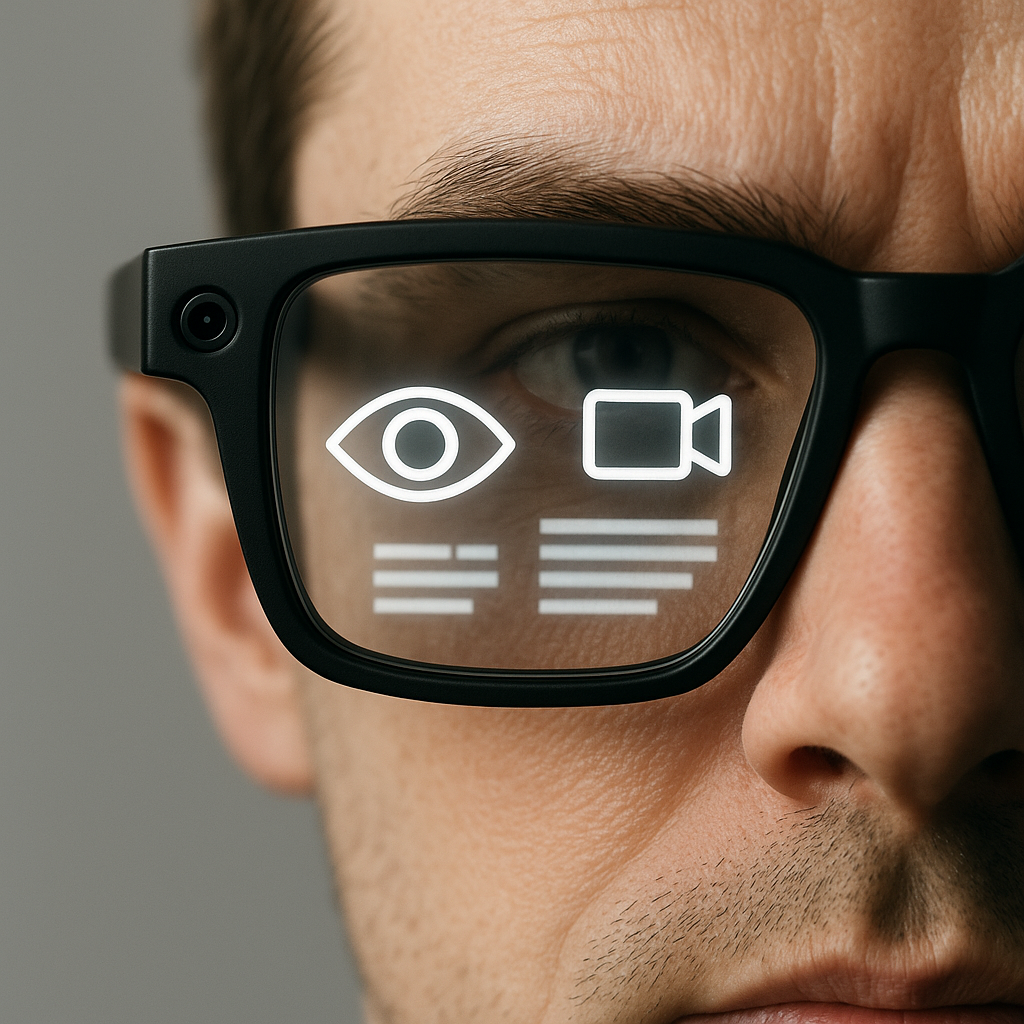
What Happened: The Core Allegations
According to TechSpot, the fired AI trainers were engaged in training Meta’s algorithms, predominately focused on voice recognition and other AI functionalities tied to wearable devices. Problems arose when some trainers exposed instances of Ray-Ban’s Stories smart glasses inadvertently capturing sensitive footage—including private moments—without the informed consent of those involved.
Meta, through its partnership with EssilorLuxottica, introduced Ray-Ban Stories as a consumer-friendly pair of smart glasses capable of recording video, taking photos, playing music, and responding to voice commands. As reported by multiple outlets, industry specialists admired the device for its seamless integration of technology into a fashionable silhouette. However, concerns of hidden surveillance and inadequate privacy safeguards were persistent from the beginning.
One fired AI trainer, speaking anonymously to TechSpot, stated, “It was only a matter of time before someone pointed out the ethical dilemmas of training algorithms off recordings people didn’t even know existed.” The employees argue that whistleblowing was necessary to address what they felt were systemic failures in Meta’s handling of user privacy.

Wearable Tech and Privacy: A Troubled Marriage
The incident adds to a growing list of controversies surrounding wearable technology and user privacy. From fitness trackers recording geolocation data to smartwatches monitoring users’ daily routines, questions of how data is gathered, stored, and utilized have defined much of the public discourse in recent years.
Privacy advocates outline key concerns with wearable tech like Ray-Ban Stories: the devices risk creating environments where surveillance becomes normalized, making individuals constantly wary of being recorded—even when interacting in supposedly private spaces. This shifts the broader conversation beyond technical flaws to ethical dilemmas inherent in designing consumer-centric devices.
Industry analysts, including David Holmes, a privacy expert quoted by Reuters, argue, “We’ve reached a crossroads in wearable technology development where unchecked surveillance could erode fundamental societal norms like trust and discretion.”
Meta’s Response: Damage Control or Silence?
Meta has not issued any public statements specifically addressing the termination of the AI trainers, nor the allegations about improper collection practices tied to the Ray-Ban glasses. Instead, the company continues to highlight the device’s opt-in features and its user input mechanisms, which purportedly ensure recordings occur solely based on explicit consent.
TechCrunch points out that the lack of timely responses from Meta exacerbates the backlash. Without clear company policy amendments or accountability measures, questions over how Meta plans to handle AI trainer disputes and privacy missteps remain unanswered.
Criticisms are also mounting with regards to the contractor’s decision to fire whistleblowers. Legal experts suggest the moves could amplify the reputational risks Meta and its partners face. Historically, companies targeted by whistleblower claims often see broader regulatory scrutiny follow closely behind—an unnerving prospect for Meta given its past entanglements with global privacy watchdogs.

The Bigger Picture: AI Ethics and Corporate Responsibility
The firing of whistleblower AI trainers raises fundamental questions about corporate culture and the responsibilities tech companies bear in ensuring ethical practices. In recent years, accountability for improper data usage has intensified, with global governments introducing stricter frameworks for consumer protection.
For companies like Meta, which rely on large datasets to train artificial intelligence systems, the debate balances between innovation and overreach. The more sophisticated these systems become, the more contested are the rights of individuals whose data becomes interwoven into these learning processes.
Experts note that whistleblowing cases often highlight cracks in corporate governance structures. As wearable technology continues to proliferate, these revelations could signal the start of wider calls for corporate transparency regarding AI practices.
What Comes Next?
The Meta-Ray-Ban privacy controversy is unlikely to fade quietly. Industry observers anticipate potential regulatory investigations into both the practices surrounding the smart glasses and the termination of whistleblower trainers. Simultaneously, consumers may become more skeptical of wearable devices, pushing tech companies toward greater transparency and rigorous safeguards.
In the coming months, it will be crucial to observe how Meta navigates the fallout. Will the company double down on defending its devices, or will it roll out enhanced privacy measures to restore public trust? Equally important will be how governments and independent bodies respond to these developments—setting legal precedents that determine how future incidents unfold.
For consumers and innovators alike, the ongoing tension between technology and ethics underscores the need for clear guidelines as the world embraces AI-driven tools as everyday essentials.