Images chosen by Narwhal Cronkite
Engineer Builds AI Laser Defense System That Eliminates Every Mosquito in His Home
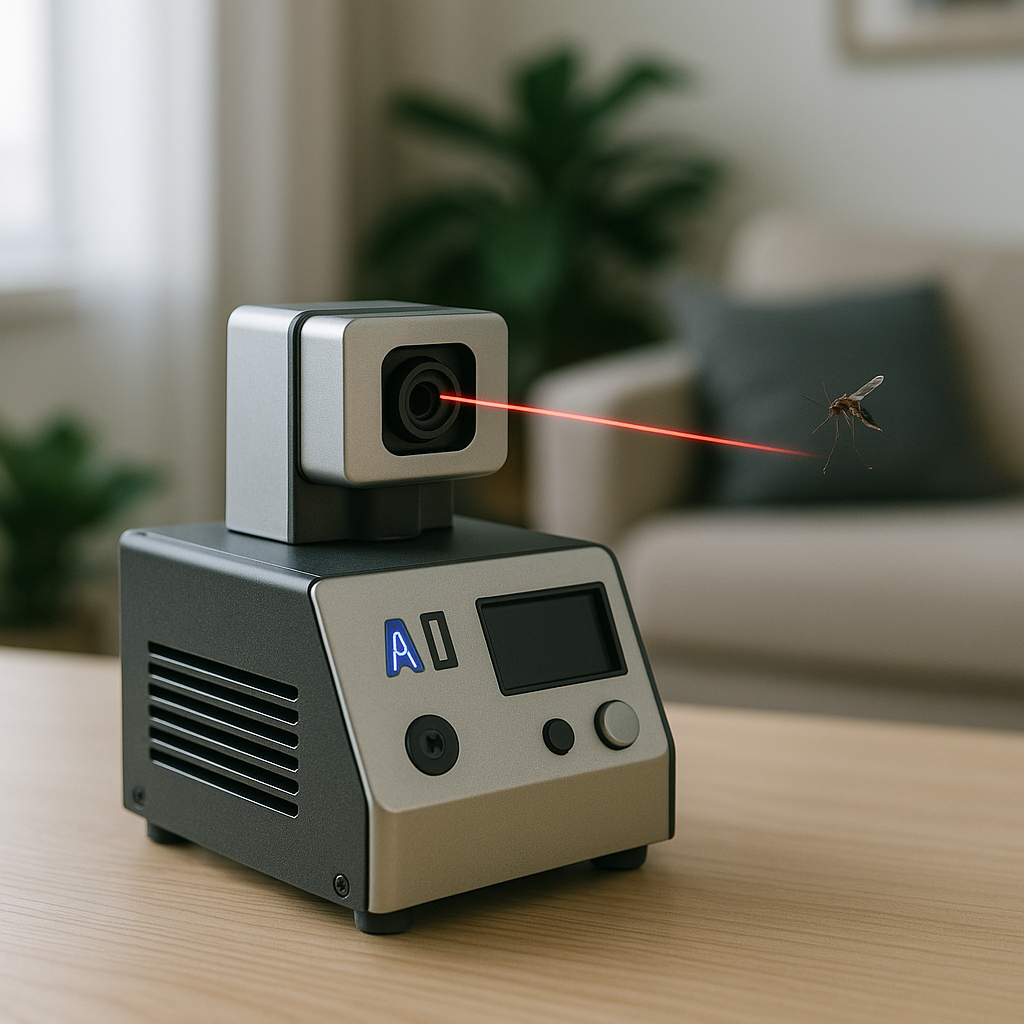
In what might sound like a plot point from a sci-fi movie, a brilliant engineer has developed an AI-powered laser defense system capable of detecting and neutralizing mosquitoes with pinpoint precision. This innovative approach to pest management not only eradicated the buzzing nuisances in his home but also highlights the untapped potential of AI-driven solutions for everyday problems.
Perfecting the Art of Mosquito Warfare
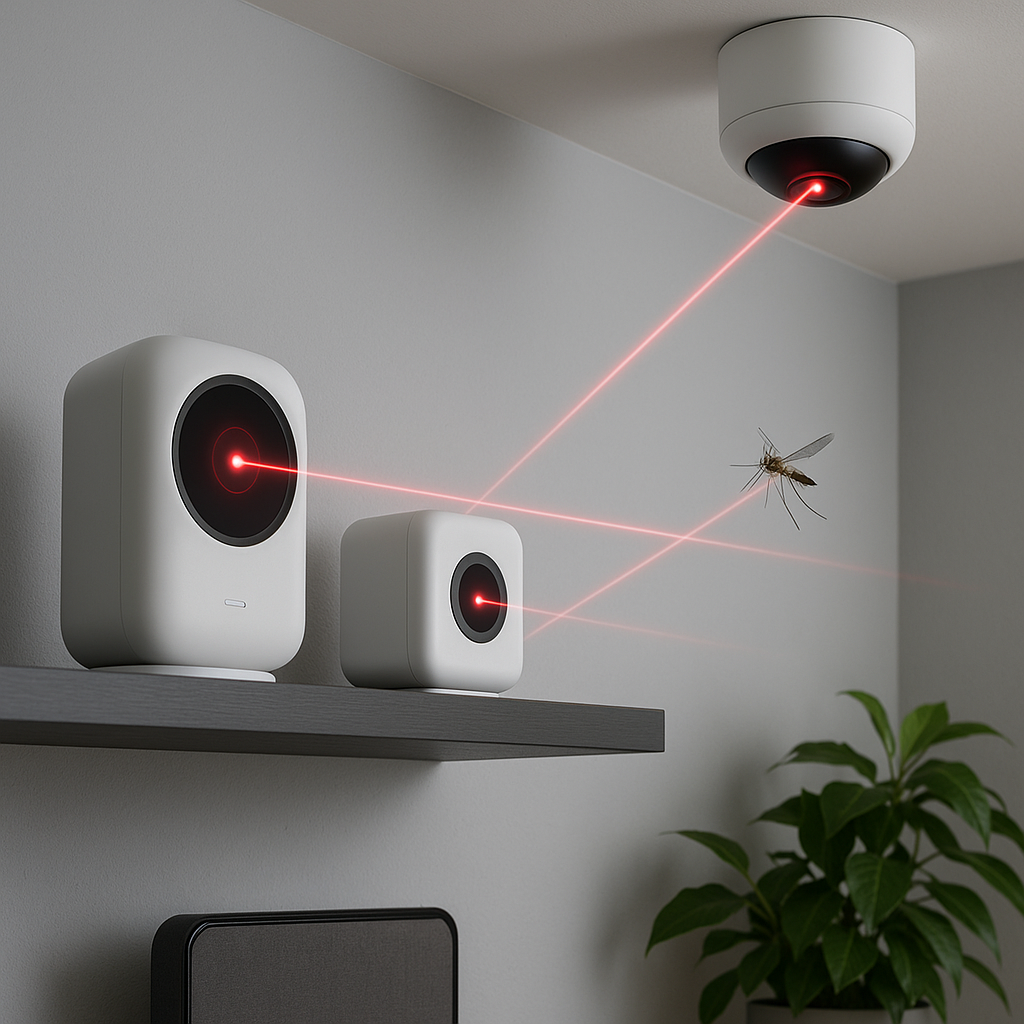
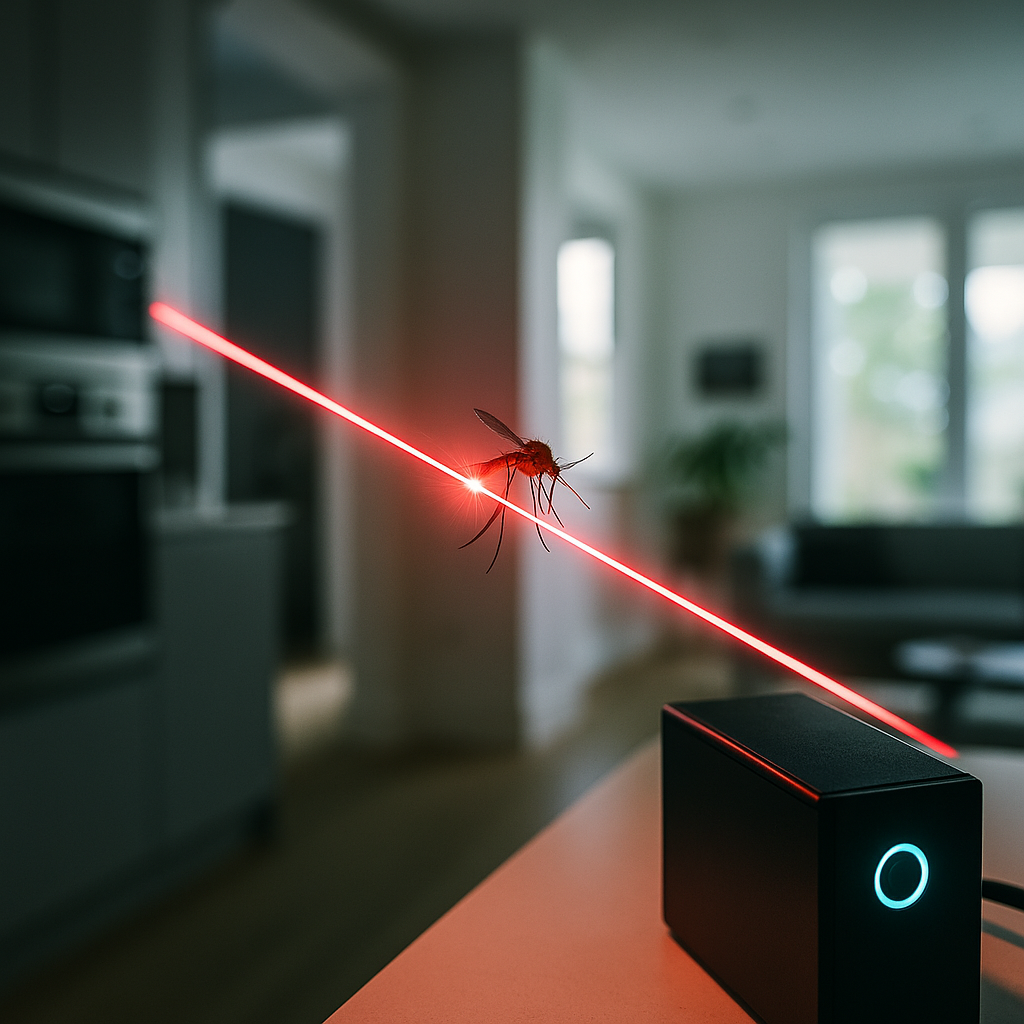
The tech-savvy engineer, whose groundbreaking efforts were first reported on TechSpot, tackled what many of us can agree is a universally infuriating issue: the relentless buzzing and biting of mosquitoes. By employing artificial intelligence and laser technology, his invention detects the wings and movement patterns of mosquitoes in real time, accurately zapping these airborne pests out of his living space.
The technical side of this innovation focuses on machine learning algorithms that analyze tiny disruptions in the air caused by mosquito wingbeats. Paired with a laser emitter fine-tuned for safe yet effective results, the system ensures that nothing but mosquitoes are targeted. The engineer’s home has become a mosquito-free zone, allowing him to finally enjoy peace during mosquito season.
The Bigger Picture: AI’s Role in Solving Everyday Problems
This laser defense system is far more than just a unique gadget—it represents a larger trend in which artificial intelligence is being leveraged to solve problems once thought unsolvable. Beyond laboratory automation or high-end robotics, AI is now entering homes to tackle everyday challenges creatively and efficiently.
According to analysts, the global pest control market is projected to grow significantly, with innovative solutions like this AI laser system contributing to the tech-driven disruption of an age-old industry. “This isn’t just a mosquito-killing machine; it’s a demonstration of the power of AI to identify and solve hyper-specific problems,” says Emily Larson, a smart home tech analyst at Unbias the News.
Moreover, the implications extend deeper into the realm of sustainability and public health. Traditional pest control methods, including chemical sprays and traps, often come with environmental and health risks. A laser-based system, by contrast, operates without introducing toxins into the ecosystem, offering a cleaner and potentially safer alternative.
Challenges and Ethical Considerations
While undeniably innovative, the system raises several questions. First, there’s the potential for barriers to widespread adoption. Laser systems like this might remain cost-prohibitive for many, particularly in regions most affected by mosquito-borne illnesses such as malaria and dengue fever.
Additionally, ethical concerns about creating systems that involve artificial intelligence controlling laser technology could arise. Critics caution against the general escalation of autonomous weaponized devices, even for seemingly harmless purposes like pest control. Is the line between utility and potential misuse sufficiently clear?
It’s worth noting that so far, there have been no flaws associated with the current system, which remains focused explicitly on mosquito elimination. Still, as machine-driven solutions become the norm, debates surrounding AI governance and regulation grow ever more critical.
Consumer and Industry Reception
The tech community’s response to this mosquito defense innovation has been overwhelmingly positive. Many see it as a herald of what’s to come in AI-driven domestic tools. Industry insiders anticipate that this technology may eventually expand beyond mosquito control, evolving into systems that can tackle other household nuisances, from flies to rodents.
“It’s a game-changer,” says Paul Michaels, a smart home tech enthusiast. “If these systems become cost-effective, they could make toxic insecticides obsolete. It’s high time we think about pest control in a smarter, greener way.” Similar sentiments have been echoed across tech blogs and forums, indicating a strong consumer appetite for next-generation solutions in everyday life.
Large tech firms have also taken note of this innovation, sparking speculation about potential acquisitions or investment in similar AI-powered home systems. Some observers believe this could catalyze competition among companies like Google and Amazon, which already have stakes in smart home ecosystems.
The Future of AI-Driven Pest Control
So, what’s next for AI-based pest control? Several experts predict that this technology could expand into the commercial pest control sector, potentially aiding agriculture, restaurants, and other industries where pest management is critical. Automated pest control systems driven by AI could help reduce crop losses and minimize the health risks faced in densely populated areas.
Looking ahead, broader adoption will likely require scaling down costs while ensuring safety and efficiency. Industry leaders may also need to address public concerns about the ethical implications of autonomous systems. As President Trump’s administration has recently expressed interest in expanding the regulatory frameworks for AI technologies, this could become a key topic of discussion among policymakers in the near future.
Ultimately, this groundbreaking AI laser defense system serves as a reminder of how artificial intelligence continues to transform our lives, often in unanticipated ways. For anyone plagued by an uninvited swarm of mosquitoes, salvation might now come in the form of lasers and silicon rather than bug sprays or sticky traps.
What to Watch For
This innovation marks only the beginning of what could become a much larger revolution in pest control technology. Moving forward, key trends to monitor include:
- Efforts to make AI laser defense systems affordable and scalable.
- Regulatory developments surrounding AI applications in domestic and commercial settings.
- Collaborations between tech giants and startups to integrate AI pest control into the growing smart home ecosystem.
- Potential expansion of similar systems targeting agricultural pests, mitigating crop damage on a global scale.
For now, one thing is clear: the next time a mosquito buzzes in your ear, it could be met with the precise fury of cutting-edge technology.