Greenland 2, the disaster sci-fi sequel starring Gerard Butler, has surged to the top of Prime Video’s most-watched charts in June 2026, according to MovieWeb. The 98-minute film picks up where the original left off, following Butler’s character John Garrity as humanity tries to rebuild after a comet strike nearly wiped out civilization.
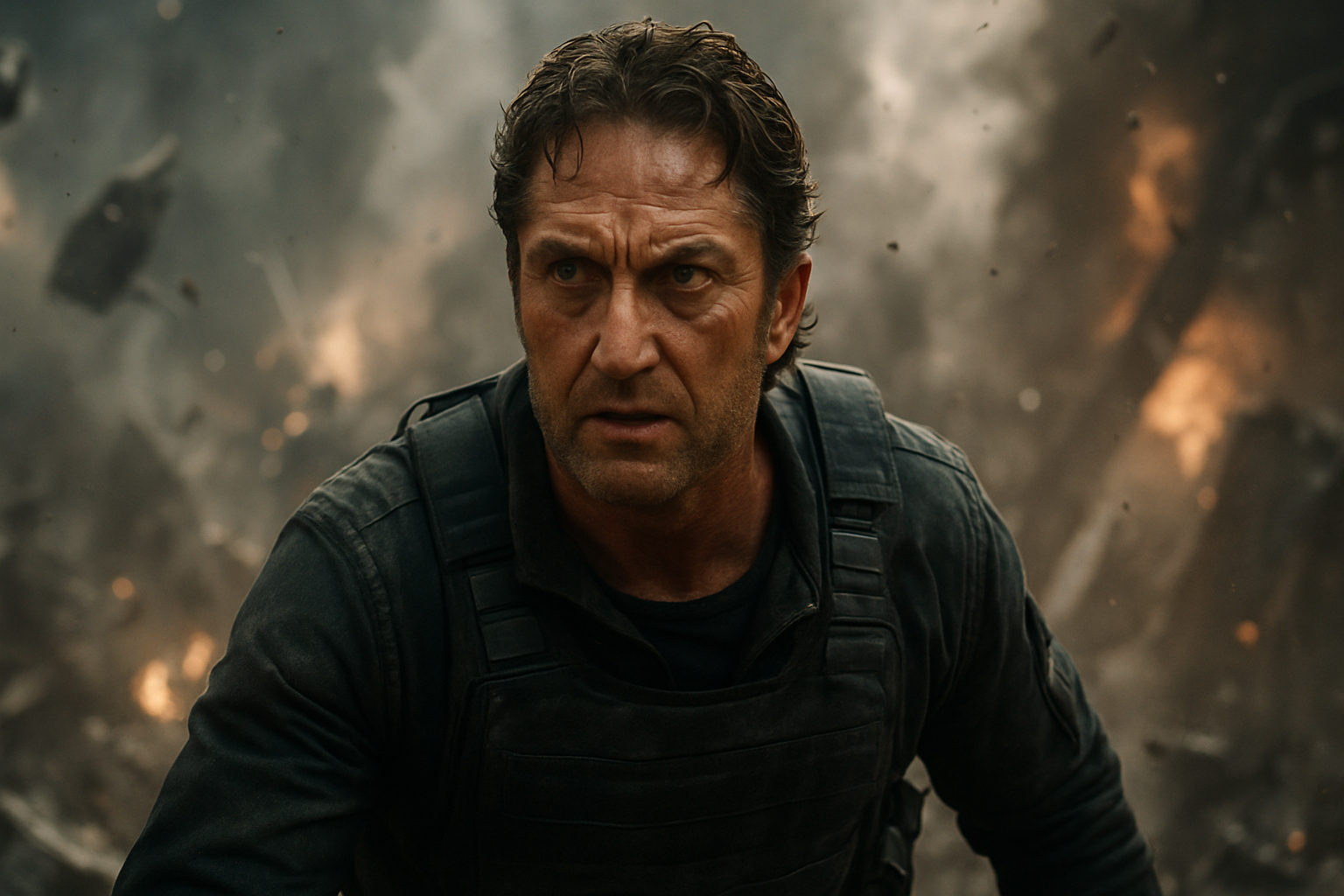
The detail that’s catching audiences off guard: the sequel clocks in at a lean 98 minutes — a deliberate choice that keeps the pacing relentless and avoids the bloat that killed several recent blockbuster follow-ups. For a disaster movie, that runtime discipline is genuinely rare.
Greenland 2 Finds Its Audience on Prime Video
The original Greenland (2020) was itself a streaming success story, bypassing a wide theatrical release and landing on VOD platforms where it quietly became one of the most-watched disaster films of that year. The sequel follows the same playbook — skipping the multiplex and going straight to Prime Video subscribers, where it’s now pulling serious numbers in its first weeks of availability.
Butler reprises his role as John Garrity, and the film continues to focus on survival at a human scale rather than leaning entirely on spectacle. That grounded approach — more family drama than Independence Day-style mayhem — is what separated the first film from the disaster-movie crowd, and the sequel doubles down on it.
Why the 98-Minute Cut Matters for Sci-Fi Action Fans
Studios have spent years chasing the prestige-epic format, padding sequels past two hours to signal importance. Greenland 2 runs against that trend. At 98 minutes, it moves fast enough to hold attention without sacrificing character beats — a balance that streaming audiences, who have infinite other options a click away, tend to reward heavily in completion rates.
Completion rate is the metric Prime Video actually cares about when deciding whether to commission more content from a filmmaker or franchise. A tight runtime that keeps viewers watching to the credits does more for a sequel’s future than a bloated film that loses half its audience at the 90-minute mark.
Director Ric Roman Waugh, who helmed the original, returns for the sequel. Waugh has built a reputation for action films that treat their protagonists as ordinary people under extraordinary pressure rather than indestructible heroes — a sensibility that clearly resonates with the Prime Video crowd.
Butler’s Streak on Streaming Platforms
Gerard Butler has quietly become one of the most reliable names on streaming. After the Fallen franchise wrapped, he pivoted toward mid-budget genre films that bypass theatrical windows entirely or use brief runs before landing on subscription platforms. Greenland 2 fits neatly into that model — it’s the kind of movie that would have been a solid theatrical performer in 2005 but is, in 2026, better positioned as a streaming event.
The sci-fi action movie also arrives at a moment when Prime Video is aggressively curating its library to compete with Netflix’s dominance in genre content. Locking down a proven franchise with built-in audience recognition serves that strategy directly.
If you’re interested in how streaming platforms are reshaping what gets made and how it gets seen, the ongoing turbulence at major tech-media companies is worth watching — the economics of who funds what are shifting fast.
What the Original Got Right That the Sequel Keeps
The first Greenland stood out for its refusal to linger on destruction porn. Where most disaster films use extinction-level events as an excuse for extended CGI sequences, that film kept the camera on Butler’s face — on fear, exhaustion, and the specific terror of a parent trying to keep a family alive. Critics who panned the genre in general made exceptions for it.
Greenland 2 carries that same emotional logic into the aftermath: what does rebuilding actually look like for people who survived? That question gives the sequel a different dramatic engine than the first film, which was essentially a race against time. The post-disaster setting opens up questions about community, resource scarcity, and trust that straight survival narratives don’t have room for.
For viewers who bounced off loud, effects-heavy franchise entries recently, this Prime Video thriller offers a lower-key alternative — still propulsive, still packed with tension, but rooted in recognizable human stakes.
Greenland 2 and the Case for Streaming-First Sequels
The film’s chart performance reinforces a broader shift: streaming-first sequels to mid-budget originals now have a viable commercial path that didn’t exist a decade ago. A movie like Greenland 2 wouldn’t have easily secured wide theatrical distribution in the traditional studio system — the budget sits below the threshold studios typically demand for global theatrical campaigns. But on Prime Video, it reaches tens of millions of subscribers on day one.
That’s the same logic driving major studios rethinking their IP strategies across film and television. Franchise value no longer lives or dies at the box office.
With Greenland 2 performing strongly in its first weeks, Prime Video will almost certainly use the viewership data to evaluate whether a third installment makes sense. Butler has shown no sign of stepping away from the character, and Waugh’s involvement gives the franchise unusual creative consistency for a streaming property. If the numbers hold through July, expect an announcement before the end of 2026.