The U.S. Supreme Court upheld state laws barring transgender athletes from competing in girls’ and women’s sports on June 30, 2026, delivering one of the most consequential rulings on gender and athletics in American legal history. The Guardian reported the decision, which clears the way for similar bans across dozens of states to remain in force without further legal challenge.
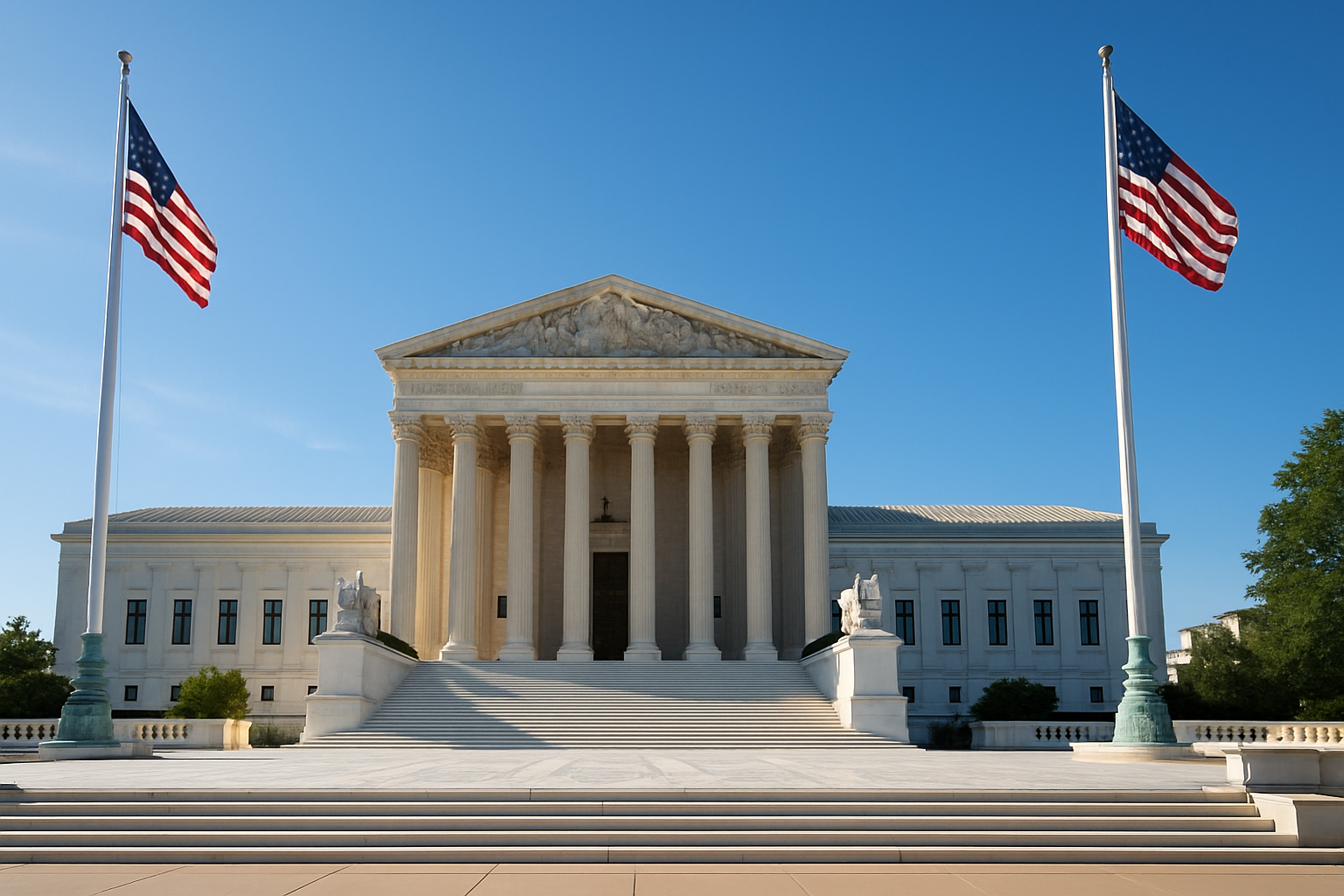
The ruling resolves a years-long circuit split in which federal appeals courts had reached conflicting conclusions about whether such laws violated the equal protection clause of the Fourteenth Amendment or Title IX protections. By settling that conflict, the Court’s decision functions as a nationwide green light for state-level transgender athlete bans already on the books.
What the Court actually decided — and what it did not
The Court did not issue a sweeping ruling that transgender women are legally male for all purposes. Instead, the majority held that states have a rational — and in this case constitutionally sufficient — interest in maintaining sex-separated athletic categories based on biological sex as determined at birth. The narrowness of that framing matters: the decision applies specifically to competitive sports eligibility and does not automatically extend to employment, housing, or other civil rights contexts.
That distinction is one of the least-covered details in early reporting. Legal scholars tracking the case had flagged that the majority’s reasoning relies on a competitive fairness rationale specific to athletic performance, which makes it a harder precedent to transplant into unrelated areas of anti-discrimination law.
The Court’s more liberal justices dissented, arguing that categorical exclusions based on gender identity inflict real dignitary harm and that less restrictive means — individual testing, for instance — could serve the same competitive-fairness interest without a blanket ban.
How many states are affected by today’s Supreme Court ruling
At least 24 states had enacted laws restricting transgender athlete participation in women’s sports before this ruling. Several of those laws had been blocked by injunctions from lower courts while the constitutional questions moved through the system. Those injunctions now effectively dissolve, meaning enforcement can resume immediately in states where it was previously paused.
States without existing bans face no new legal obligation to enact one — the ruling permits such laws, it does not require them. States like California, Minnesota, and Illinois, which have laws explicitly protecting transgender students’ right to compete on teams matching their gender identity, will almost certainly face follow-on litigation testing whether those protections survive the new constitutional framework the Court has laid out.
What happens to transgender athletes competing right now
For athletes currently enrolled and competing, the practical fallout depends on their state and governing body. High school athletics are administered by state associations, not the federal government, so implementation timelines will vary. College athletics operated under NCAA rules, which the NCAA revised in 2022 to defer gender eligibility questions to each sport’s national governing body. The Supreme Court’s decision is likely to push the NCAA toward stricter, more uniform standards, though the organization has not yet issued a statement on how it will respond.