At least 920 people are confirmed dead and more than 51,000 remain missing after back-to-back earthquakes struck Venezuela, with rescue teams now in a desperate sprint to pull any remaining survivors from the debris, according to Deutsche Welle’s live reporting. The figure of 51,000 missing — an unusually vast number even by major-disaster standards — reflects how completely communications have broken down across entire regions, leaving authorities unable to account for hundreds of thousands of residents.
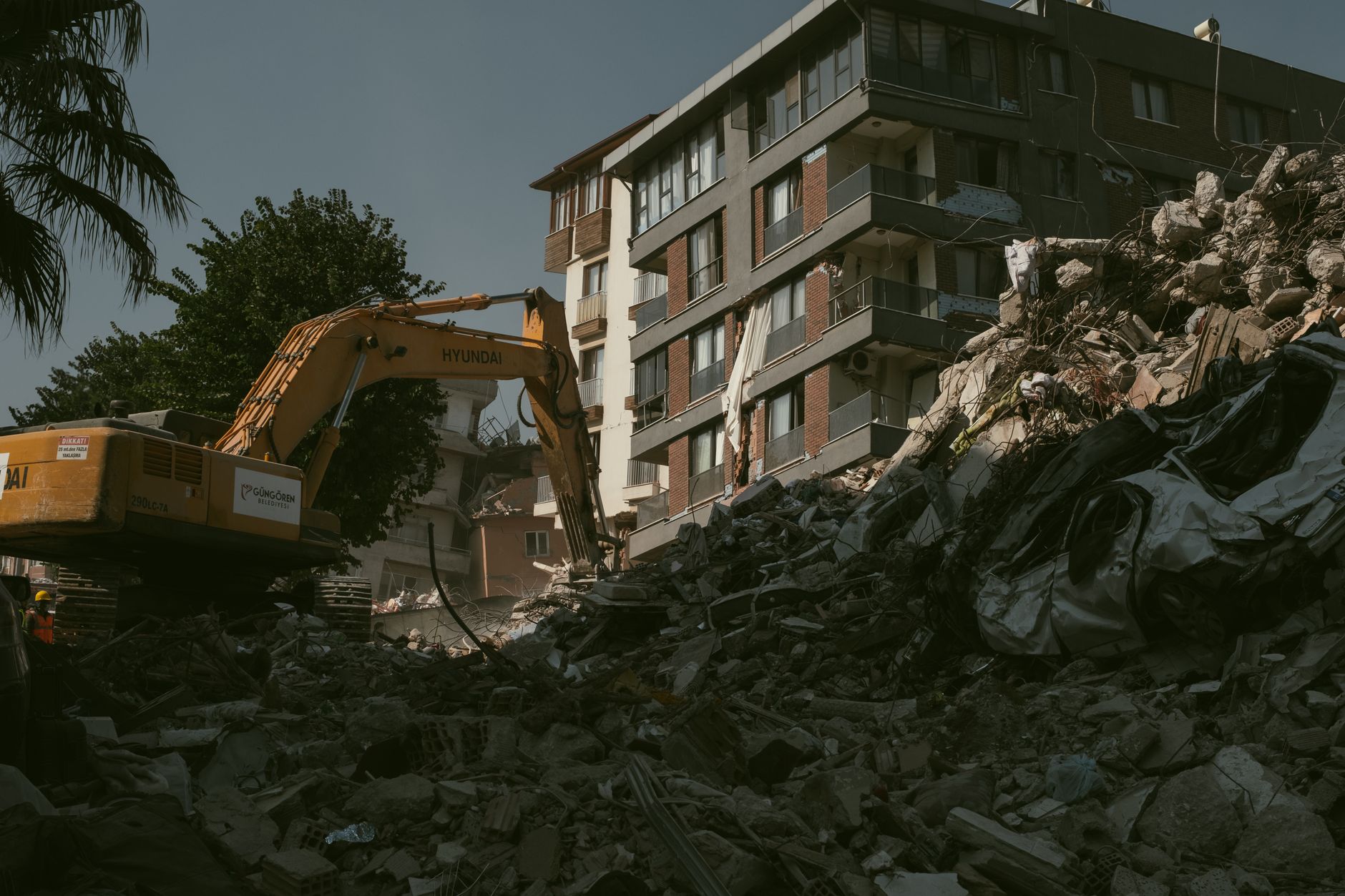
The twin earthquakes, which struck in rapid succession, caused widespread structural collapse across dense residential areas. Search-and-rescue teams are working through unstable rubble in conditions made worse by the sheer scale of the disaster zone. Survivors have been recovered days after the initial strikes, keeping hope alive even as the confirmed death toll continues to rise.
Why the missing-persons number is so much larger than the confirmed dead
The gap between 920 confirmed deaths and 51,000 missing is not necessarily a sign of total catastrophe — it reflects a collapse in basic infrastructure. Phone networks, roads, and local government offices have been knocked out across multiple states, making headcounts nearly impossible. Authorities are treating every unaccounted person as potentially trapped until communication is restored or physical searches are completed. In past large-scale earthquakes in Latin America, a significant portion of “missing” persons eventually resurface once connectivity returns — but rescuers cannot afford to assume that here.
Urban areas where buildings were stacked tightly together have posed the greatest challenge. Concrete-frame structures common in Venezuelan cities can trap survivors in air pockets for 72 hours or longer after a collapse, a window that search teams are now up against.
International rescue teams join Venezuela’s race against the clock
Multiple international rescue teams have deployed to assist Venezuelan emergency services, bringing with them acoustic listening devices and search dogs trained to detect human presence beneath rubble. The coordination challenge is enormous: the disaster zone spans a large geographic area, and some of the hardest-hit communities are reachable only by helicopter due to road damage.
Venezuela’s government has declared a national emergency. Hospitals in less-affected cities have been placed on surge capacity, and field medical units have been airlifted to the hardest-hit zones to treat crush injuries, which are the leading survivable trauma in building collapses.
This is not the first time Caracas and its surrounding regions have absorbed major seismic damage. The geology underlying northern Venezuela places it along a complex system of tectonic faults, and NarwhalTV’s earlier reporting on the initial building collapses in Caracas detailed how the back-to-back nature of the quakes compounded structural failures — buildings that survived the first strike were weakened and then felled by the second.
Food, water, and shelter shortages emerging in the collapse zone
Beyond the immediate search effort, a humanitarian crisis is taking shape. Displaced residents in multiple affected towns have no access to clean water, with local pipes ruptured by ground movement. Aid organizations have begun trucking in supplies, but road damage has slowed delivery significantly. Makeshift camps have formed on open ground outside collapsed neighborhoods, where residents fear returning to any standing structure due to ongoing aftershocks.
The combination of infrastructure failure and pre-existing economic stress in Venezuela makes the recovery phase particularly difficult. Aid workers on the ground have noted that many affected buildings were already structurally compromised before the earthquakes due to years of deferred maintenance — a detail that will likely shape how quickly safe housing can be established for the displaced.
For context on how extreme climate and geological events are intersecting with fragile infrastructure globally, Europe’s record-breaking heatwave earlier this year similarly exposed gaps in preparedness that governments had long known about but not fully addressed.
The 72-hour window and what comes after
Emergency management professionals widely cite 72 hours as the critical threshold for live rescues following a structural collapse. That window is either expiring or has already expired for the initial strikes, depending on exactly when each quake hit. That does not mean rescues are impossible — survivors have been pulled alive from rubble more than a week after major earthquakes — but the odds drop sharply after the first three days without water.
Rescue coordinators have said they are still receiving signals from acoustic sensors beneath several collapsed sites, meaning live rescue operations will continue around the clock. The confirmed death toll of 920 is expected to rise substantially as teams reach areas that have been inaccessible since the earthquakes struck. The missing-persons count will likely shift dramatically as phone networks are restored and survivors in rural communities are able to report their status.
Venezuelan authorities have not yet given a public timeline for when a full accounting of casualties will be possible, but international observers expect the confirmed death toll to climb into the thousands as the scale of destruction in outlying areas becomes clear.