Law enforcement intelligence centers across the United States are monitoring TikTok and Instagram accounts that discuss how to disable or destroy Flock Safety license plate reader cameras, according to internal documents reported by 404 Media on August 13, 2026. The bulletins, circulated among police agencies, describe “extensive and ongoing” online chatter about physically tampering with the devices.
What the Documents Show
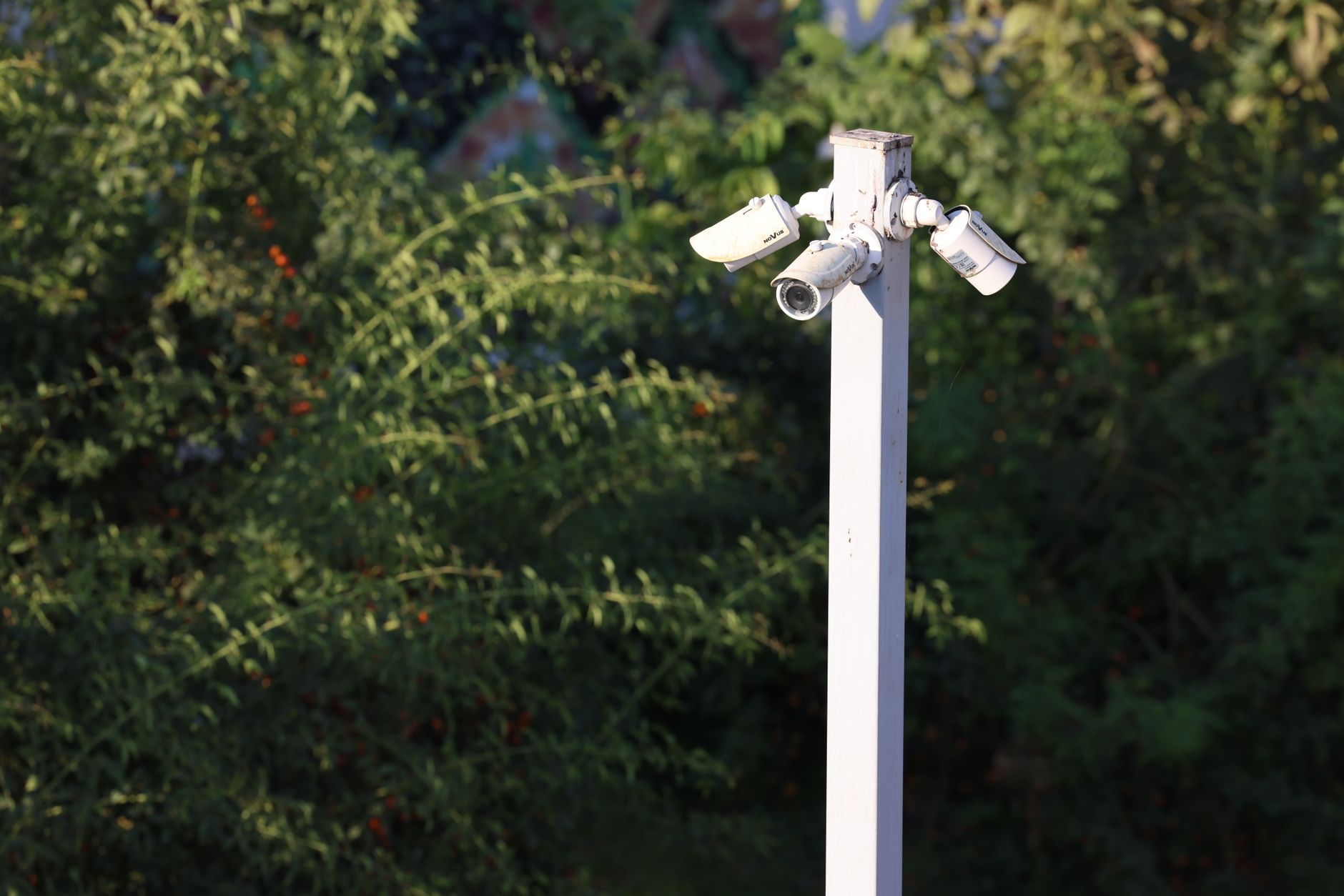
The records originate from regional law enforcement intelligence hubs known as fusion centers, which coordinate information sharing between local police, state agencies and federal partners such as the Department of Homeland Security. According to 404 Media, the bulletins warn officers that social media users are posting instructional content on covering, spray-painting, hacking or physically removing Flock’s automated license plate reader (ALPR) cameras, which have become a fixture on utility poles and roadside signs in thousands of communities.
The documents reportedly catalog specific accounts and posts rather than describing the trend in the abstract, suggesting a sustained monitoring effort rather than a one-off advisory. 404 Media’s reporting indicates the surveillance is being treated internally as a public-safety and infrastructure-protection issue, comparable to how police track threats against other government property.
Flock’s Rapid Expansion Fuels Backlash
Flock Safety has grown into one of the largest private surveillance networks in the country, with cameras installed by thousands of police departments, homeowners associations and private businesses. The devices automatically photograph passing vehicles, log license plates, and flag matches against “hot lists” tied to stolen cars, Amber Alerts or other law enforcement queries. Camera data can also be shared across jurisdictions through Flock’s national network, allowing one department to search plate data captured by another department’s cameras hundreds of miles away.
That reach has drawn sustained criticism from privacy advocates, who argue the system enables mass tracking of ordinary drivers’ movements without a warrant. Reporting over the past two years has also raised concerns that some agencies used Flock data to support immigration enforcement or investigations into reproductive health care, despite company assurances that access is restricted by local policy. Those revelations, combined with the sheer visibility of the cameras on public streets, have made Flock a frequent target for activists and vandals who see the devices as an unaccountable expansion of policing.
Videos and posts showing cameras covered in plastic bags, spray paint or set on fire have circulated widely on social platforms in recent months, part of a broader decentralized pushback against automated surveillance infrastructure.
Civil Liberties Concerns
Civil liberties groups say the monitoring of anti-Flock social media activity raises its own set of questions, particularly when it blurs the line between tracking genuine threats to property and surveilling political speech and organizing. Fusion centers have faced criticism in the past for overbroad monitoring of protest movements, including a 2021 congressional review that found several centers collected intelligence on First Amendment-protected activity with little relevance to actual crime.
Advocates argue that treating online criticism of surveillance technology as a security threat risks chilling legitimate public debate about how police departments deploy tools like Flock’s camera network.
Because fusion centers pool resources from multiple local, state and federal agencies, information gathered through this kind of monitoring can move quickly between jurisdictions, making it difficult for the public to know which agency initiated a given inquiry or how long the data is retained.
Flock’s Response and What Comes Next
Flock Safety has previously said it takes vandalism of its cameras seriously, framing damaged devices as both a financial cost and a public-safety risk if a functioning camera is disabled during an active investigation. The company has not been reported as directly involved in producing the fusion center bulletins, which appear to originate from law enforcement agencies rather than the vendor itself.
The monitoring comes as Flock continues to expand into new markets and add capabilities, including audio-based gunshot detection and broader integrations with other public-safety software. That growth has coincided with a parallel expansion of scrutiny from journalists, lawmakers and privacy researchers examining how ALPR data is stored, shared and audited.
For now, the disclosure adds a new dimension to the debate: not just how Flock’s cameras watch the public, but how closely police are watching the public’s reaction to them. Full details of the fusion center bulletins, including excerpts from the internal documents, are available in 404 Media’s original report.
Whether the monitoring leads to arrests, prosecutions, or simply informs local patrol assignments near camera installations remains unclear. Neither Flock Safety nor the Department of Homeland Security has publicly detailed how the flagged social media activity will be used going forward.