The FBI has been told it will no longer routinely investigate shootings that involve Immigration and Customs Enforcement (ICE) officers, according to a report published this week by The Independent. The reported directive, described by the outlet as guidance passed to agents, would shift how use-of-force incidents tied to immigration operations are reviewed.
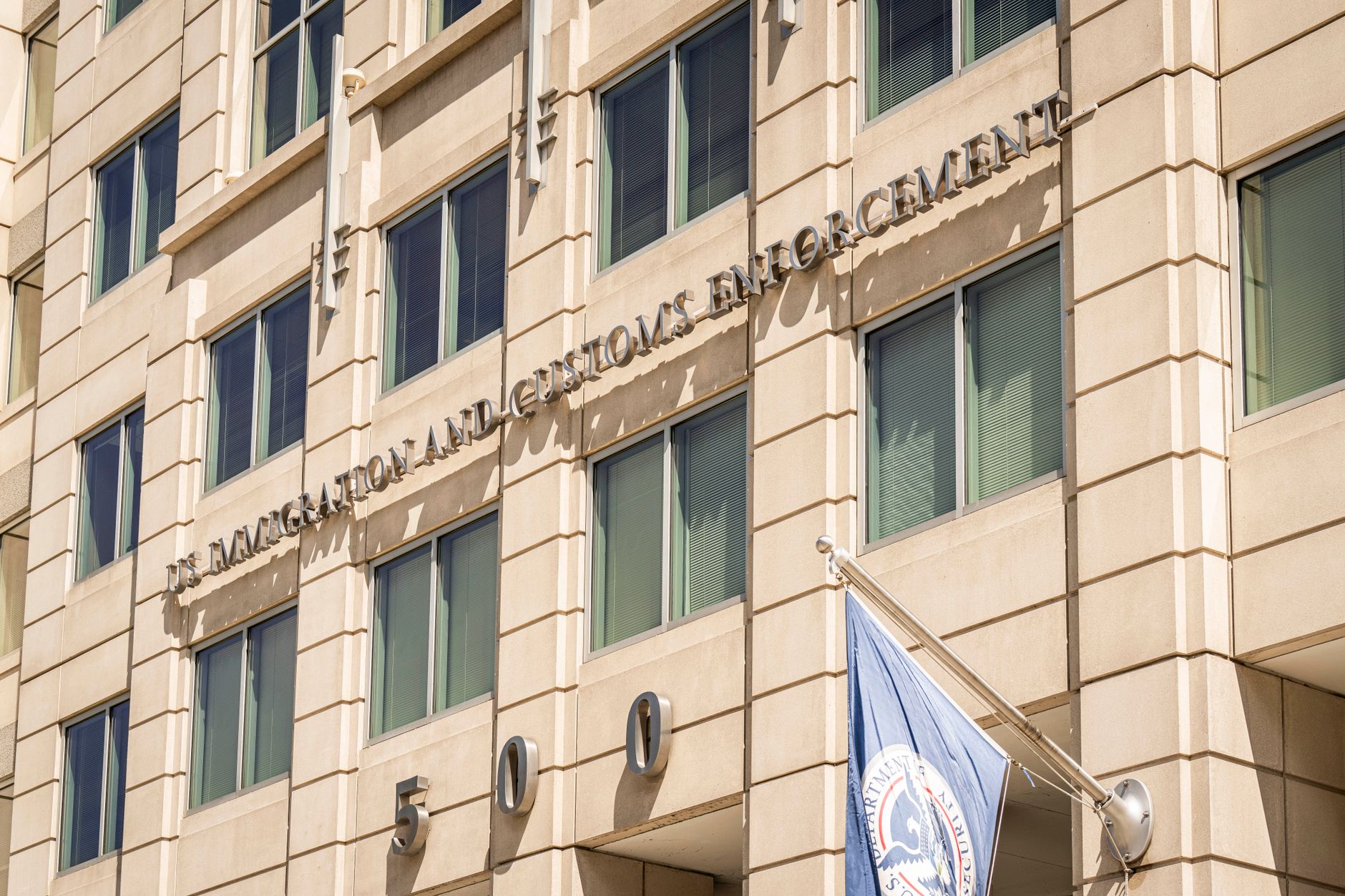
The change surfaced amid an intense period of immigration enforcement across the United States in 2026, and it has drawn immediate attention from former federal officials who focus on law-enforcement accountability.
What the directive reportedly says
According to the report, agents have been informed that the bureau will step back from its customary role in examining shootings connected to ICE operations. Historically, serious use-of-force incidents involving federal officers have often drawn a review by the FBI or the Department of Justice, either alongside or instead of an agency’s internal process.
The precise wording, timing, and legal basis of the guidance were not laid out in full in the public reporting, and the specific circumstances it would cover — such as which incidents qualify and who would examine them instead — remain unclear. Neither ICE nor the FBI has published a detailed statement setting out the boundaries of the reported change.
Why oversight of use-of-force matters
Independent review of shootings involving armed government officers is widely regarded, across the political spectrum, as a cornerstone of public trust. When an outside body examines an incident, supporters of that model argue, findings carry more weight because the reviewer is not investigating its own personnel.
Critics of shifting such reviews inward caution that internal processes can face questions about impartiality. Supporters of consolidating reviews within an agency counter that specialized units can move faster and understand operational context. The reported directive touches directly on that long-running debate.
- Independence: who conducts the review shapes how conclusions are received.
- Transparency: what is disclosed, and when, affects public confidence.
- Consistency: clear standards help ensure similar incidents are handled the same way.
Reaction and open questions
Former officials quoted in coverage of the report expressed concern that moving these examinations away from the FBI could reduce the perception of independent scrutiny. Others noted that agencies routinely revisit how investigations are assigned, and that a change in practice is not, by itself, evidence of wrongdoing.
Several practical questions follow from the reporting: Which office would take on reviews the FBI steps back from? Would the Justice Department retain any role? And how would findings be made public? Until officials address those points directly, the operational effect of the guidance is difficult to measure.
The wider context
The reported shift arrives as immigration enforcement remains one of the most closely watched areas of US policy. Encounters between officers and the public have been the subject of extensive local and national coverage, and decisions about how incidents are reviewed tend to attract scrutiny from lawmakers, advocacy groups, and watchdogs alike.
As with other federal policy shifts that reshape long-standing practice — for example, the recent decision to remove Syria from the US terror blacklist after nearly half a century — the significance often becomes clearer only once formal documentation and official explanations follow the initial report.
How such reviews are typically handled
Independent examinations of shootings involving federal officers have historically drawn on more than one authority. Depending on the circumstances, the Justice Department’s civil rights division, a US attorney’s office, an agency’s internal affairs unit, or the FBI itself may play a role. Because those responsibilities can overlap, a change in which body leads ICE shooting probes can alter how quickly a case advances and how its findings are ultimately disclosed.
Analysts who study policing note that the practical impact of any such shift depends less on the headline than on the details: whether an alternative reviewer is named, what standards it applies, and whether its conclusions are published. Without those specifics, it is difficult to say whether accountability would be strengthened, weakened, or simply reorganized.
Lawmakers on oversight committees are among those likely to seek clarification, and civil-liberties groups have signaled they will watch closely. Agencies periodically revisit how investigations are assigned, so a revised arrangement is not inherently unusual — but given the sensitivity of use-of-force cases, the reported guidance on ICE shooting probes is likely to stay under scrutiny until officials describe it in detail.
For now, the key facts are narrow but notable: a report says the FBI has been told to pull back from routinely investigating ICE-related shootings, former officials have raised oversight concerns, and the agencies involved have not yet spelled out the full scope in public. NarwhalTV will update this story as officials respond and further details emerge.