The United States has removed Syria from its list of state sponsors of terrorism, ending a designation that stood for 47 years and clearing a major legal barrier to foreign investment in the country’s reconstruction. The State Department confirmed the change this week, capping a rapid diplomatic realignment that began after the collapse of Bashar al-Assad’s government in December 2024.
The designation, first applied in 1979, had made Syria one of the most heavily sanctioned states in the world, alongside North Korea, Iran and Cuba. Its removal is one of the most consequential shifts in Washington’s Middle East policy in decades, according to officials and analysts tracking the process, as reported by Radio France Internationale.
A Sanctions Regime Dating to the Cold War
Syria was placed on the terrorism blacklist during the Cold War era over its ties to militant groups and its role in regional conflicts. The designation deepened over subsequent decades as Damascus, under Hafez al-Assad and later his son Bashar, was accused of harboring and arming groups such as Hezbollah and various Palestinian factions, while also facing sweeping sanctions tied to the civil war that began in 2011.
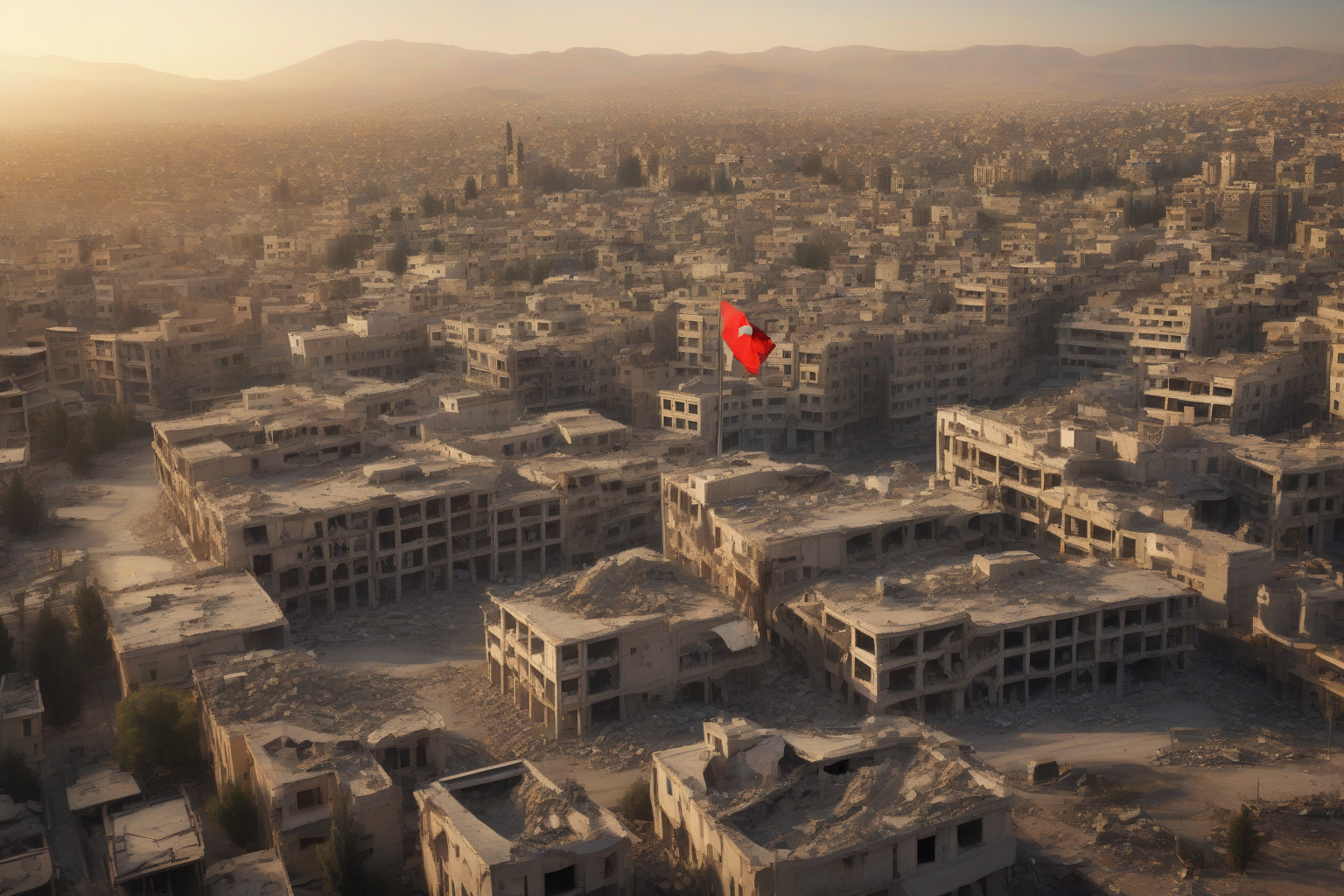
Those sanctions, compounded by the 2019 Caesar Act, cut Syria off from much of the global financial system, choking off reconstruction funding even as the war left large parts of the country in ruins. Estimates from international agencies have put rebuilding costs in the hundreds of billions of dollars.
From Assad’s Fall to Rehabilitation
The political landscape shifted dramatically after rebel factions led by Ahmed al-Sharaa swept into Damascus in late 2024, forcing Assad to flee to Russia and ending more than five decades of family rule. Al-Sharaa, a former insurgent commander who once led a group with al-Qaeda ties before publicly breaking from it, has since positioned himself as head of a transitional government and pushed for international recognition.
Washington responded cautiously at first, then moved to ease restrictions through 2025, culminating in President Donald Trump’s decision to lift most sanctions on Syria and, eventually, to strike the country from the terrorism list entirely. Officials have framed the shift as a bet that engagement, rather than isolation, offers the best chance of stabilizing the country and curbing the influence of extremist factions and foreign powers, including Iran and Russia, that expanded their footholds during the civil war.
What Changes Now
The removal carries immediate practical consequences. Countries and companies that previously avoided doing business in Syria for fear of running afoul of US sanctions can now engage more freely, and Syria regains access to certain international financial mechanisms that had been off-limits.
- Foreign banks and investors face fewer legal obstacles to financing reconstruction projects.
- Syria becomes eligible for forms of international assistance and lending previously barred under the terrorism designation.
- Restrictions on arms sales and certain categories of trade tied to the blacklist are lifted, though separate export controls may still apply.
- Gulf states, which have been courting the new government with pledges of investment, gain a clearer legal path to follow through.
Gulf Arab governments, particularly Saudi Arabia and Qatar, had lobbied Washington for months to lift the sanctions, viewing Syria’s reconstruction as an opportunity to expand their regional influence and counterbalance Iran. Turkey, which backed factions that helped oust Assad, has also pressed for faster reintegration of Syria into international markets.
Lingering Concerns
The decision has not been without controversy. Human rights organizations have documented episodes of sectarian violence since the transitional government took power, including deadly clashes involving Alawite communities on Syria’s coast and violence in Druze-majority areas, raising questions about the new authorities’ ability to protect minorities and maintain order.
Rights groups have urged Washington to keep human rights benchmarks and accountability measures tied to any further easing of restrictions, arguing that sanctions relief should not come at the expense of oversight.
US officials have said the delisting includes conditions related to counterterrorism cooperation and commitments from Damascus to prevent Syrian territory from being used to threaten neighboring countries or harbor foreign terrorist organizations. Analysts note that Washington retains other tools, including targeted sanctions on individuals, if the transitional government fails to meet those expectations.
For ordinary Syrians, the practical effects of the change may take time to materialize. Years of war have left the country’s infrastructure, banking system and currency in fragile condition, and rebuilding will require sustained investment well beyond the symbolic removal from a US list. Still, officials and business groups describe the move as a necessary first step toward reopening Syria to the kind of capital flows that have been frozen for nearly half a century.