Solar energy has surpassed coal in annual US electricity generation for the first time in history, according to a report published June 11, 2026, by The Guardian. The milestone marks a seismic shift in the American energy landscape — one that researchers and grid analysts have been tracking for years but few expected to arrive this soon.
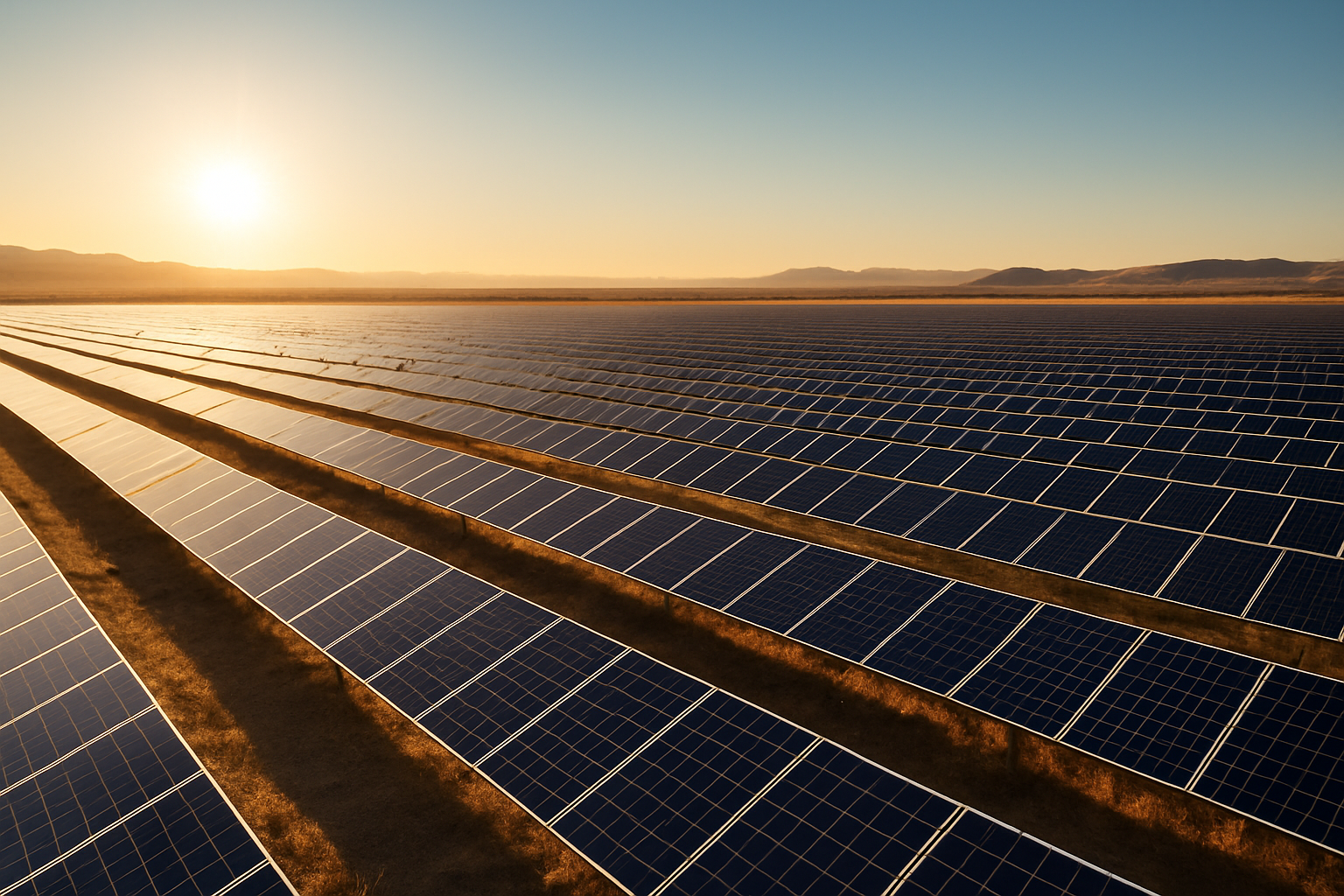
The non-obvious detail worth knowing: rooftop solar is counted separately from utility-scale solar farms in most federal energy data. When both categories are combined, the lead over coal is even larger than the headline numbers suggest. That combined figure is what pushed solar definitively past coal in the full-year tally.
How Solar Energy Beats Coal on the US Grid
A decade ago, coal supplied roughly 30% of all US electricity. That share has collapsed as natural gas, wind, and solar have eaten into its market. Solar’s rise has been particularly steep. Utility-scale solar capacity has roughly tripled since 2020, driven by falling panel costs, federal incentives, and aggressive state-level renewable portfolio standards.
Coal, meanwhile, has faced a one-two punch: aging power plants that are expensive to maintain and cheap natural gas that undercuts coal on price almost every hour of the day. Dozens of coal-fired plants have retired in the past three years alone, accelerating the decline in US electricity generation from coal.
The result is a clean energy grid that looks fundamentally different from the one that powered the country at the start of this decade.
What the Numbers Actually Mean
Surpassing coal in annual output is symbolically huge, but experts caution that solar still has a reliability challenge. The sun doesn’t shine at night, and generation dips sharply on cloudy days. Coal and natural gas plants — along with an expanding fleet of battery storage systems — still backstop the grid when solar output falls.
Battery storage capacity has grown rapidly alongside solar installations, softening that intermittency problem. Grid operators across California, Texas, and the Southeast are now routinely dispatching stored solar power during evening peak-demand hours, something that was rare just three years ago.
Still, analysts note that the renewable energy milestone puts the US in the same league as several European nations that crossed the solar-over-coal threshold earlier this decade. Germany and the United Kingdom both hit the benchmark before 2024, though their grids are smaller and their coal fleets had been retiring for longer.
What It Could Mean for Your Energy Bill
More solar on the grid generally pushes wholesale electricity prices lower during daylight hours — a phenomenon grid economists call the “solar noon effect.” Consumers in states with competitive electricity markets have already seen this show up in real-time pricing apps.
Whether that savings reaches household bills depends heavily on your utility and state regulations. Fixed grid-maintenance charges, which cover the cost of transmission lines and substations, don’t shrink just because fuel costs do. But the long-term trend is clear: as solar power growth continues and storage gets cheaper, the cost of generating electricity keeps falling.
If you’ve been weighing rooftop panels or a switch to a green-energy plan, this milestone is a reminder that the logic of cutting recurring costs applies to utilities just as much as it does to cable bundles.
The Coal Industry’s Shrinking Footprint
The coal decline isn’t just an energy story — it’s an economic and community story. Mining employment in Appalachia and Wyoming’s Powder River Basin has fallen sharply over the past decade. Entire towns built around coal have had to reinvent themselves, with some attracting solar manufacturing or data-center jobs and others still struggling to find a replacement industry.
Advocates for coal communities have pushed for federal transition funding, arguing that the workers who kept the lights on for generations deserve support as the market shifts under their feet. That debate is ongoing in Congress and in statehouses across the coal belt.
On the other side of the ledger, the solar industry now employs more Americans than coal mining has for years, though the jobs are concentrated in different regions — largely in the Sun Belt and in manufacturing corridors in the Midwest.
What Comes Next
The next benchmark analysts are watching is whether solar can surpass nuclear power, which still supplies roughly 19% of US electricity from a fleet of plants that run around the clock. That gap is narrowing, but nuclear’s capacity-factor advantage — it generates power nearly 24 hours a day — means solar will need massive additional storage deployment to truly compete on firm, dispatchable power.
Wind power is also in the mix: combined wind and solar now account for a larger share of US electricity generation than coal and nuclear combined, a statistic that would have seemed implausible at the start of this decade.
The US clean energy grid is no longer a future aspiration. It is, as of June 2026, the present reality — and solar just became its most prolific single source of power. The question now is how fast storage, transmission, and policy can keep up with the panels already in the ground.