New York City officials have temporarily suspended Central Park carriage rides following the death of an 18-year-old tourist, according to a report from ABC News. The suspension took effect immediately after the incident, which has reignited a long-running debate over the safety — and ethics — of horse-drawn carriages in one of the world’s most visited urban parks.
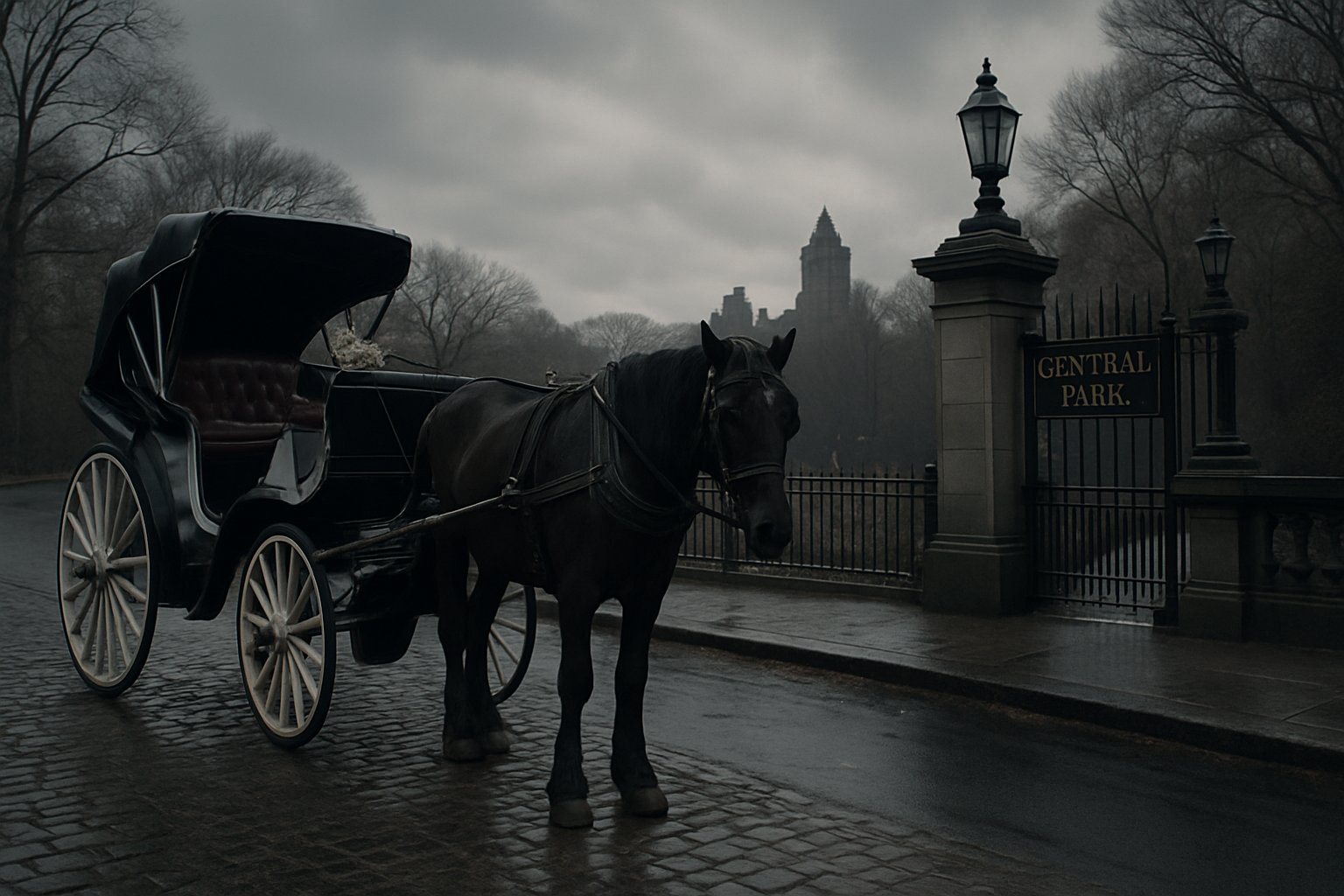
The non-obvious detail that makes this story more than a headline: Central Park carriage rides had already survived multiple near-bans over the past decade, with New York City Council legislation to eliminate them failing as recently as 2022. This latest tragedy puts that fight squarely back on the table.
What Happened to the 18-Year-Old Tourist
Details surrounding the exact circumstances of the young tourist’s death are still emerging. City officials confirmed the victim was 18 years old and visiting New York when the fatal incident occurred involving a horse carriage. Authorities launched an investigation immediately, and the suspension of all Central Park carriage rides was ordered as a precautionary measure while that investigation is underway.
The New York City Department of Consumer and Worker Protection, which licenses carriage operators, has not yet disclosed the name of the specific operator involved. The investigation is expected to examine whether carriage safety protocols were followed and whether the horse involved showed any prior signs of distress or behavioral issues.
Central Park Carriage Safety: A History of Controversy
Horse carriage rides in Central Park have operated for well over a century, but scrutiny over their safety has intensified in recent years. Animal welfare groups and safety advocates have repeatedly called for a full NYC carriage ban, pointing to incidents where horses have bolted, collapsed, or been struck by traffic on surrounding streets.
In 2019, a carriage horse named Aisha collapsed on a Manhattan street, sparking national outrage and renewed calls for reform. The city responded with new regulations requiring more rest time for horses and limiting the number of hours they could work per day — but critics argued the measures did not go far enough.
The industry, meanwhile, has long defended its safety record, with operators and the Teamsters union arguing that carriages are inspected regularly and that their horses are well cared for. That argument will face fresh pressure now that a human life has been lost.
NYC Officials React to the Tourist Death
City officials moved swiftly to suspend operations across all licensed Central Park carriage operators. The suspension is described as temporary, pending the outcome of the investigation, but advocates are already pushing for it to become permanent.
The incident also raises broader questions about tourist safety in high-traffic areas of the city. New York draws tens of millions of visitors each year, and Central Park remains one of its most iconic destinations. Horse carriage rides are among the park’s most recognizable — and most marketed — experiences, often featured in travel guides and bucket-list roundups aimed at first-time visitors.
For context on how quickly high-profile tragedies can force institutional responses, consider the Walmart shooting that killed a 1-year-old, which also prompted immediate suspensions of personnel pending investigation — a pattern that has become standard in cases involving sudden, preventable deaths.
Animal Welfare Groups Demand a Permanent NYC Carriage Ban
Organizations like New Yorkers for Clean, Livable, and Safe Streets (NYCLASS) have spent years lobbying for a complete horse carriage suspension in the city. In a statement following the news, advocates called this incident the “clearest proof yet” that the industry poses unacceptable risks — not only to horses, but to the public.
NYCLASS and similar groups argue that horses are ill-suited to a dense, noisy urban environment filled with honking cars, construction noise, and unpredictable crowds. They have proposed replacing carriages with electric vintage-style vehicles as a tourist-friendly alternative that eliminates the safety and welfare concerns entirely.
The carriage industry’s union representatives have historically pushed back hard against such proposals, and the political dynamics at City Hall are complicated. Some council members represent districts with significant ties to the carriage trade and the Teamsters. Whether this death shifts those political calculations remains to be seen.
What Happens Next
The investigation into the 18-year-old tourist’s death is expected to conclude within weeks, at which point city officials will decide whether to lift the suspension, impose new conditions on operators, or pursue a longer-term moratorium. Advocacy groups have already announced plans to attend any public hearings related to the case.
For the broader debate over how institutions respond to public pressure during moments of crisis, this case will be worth watching closely. New York’s decision could set a precedent for other major cities — including Chicago, Philadelphia, and New Orleans — that still permit horse-drawn carriage tourism in urban centers.
The 18-year-old tourist’s family has not yet issued a public statement. As the ABC News investigation continues to develop, NarwhalTV will update this story as new details become available.