South Korea has recorded its highest temperature since modern record-keeping began, with the mercury reaching 42.5°C as an unrelenting heatwave grips the country. The reading, confirmed by the Korea Meteorological Administration (KMA), surpasses the country’s previous record and has triggered heat warnings across nearly every province.
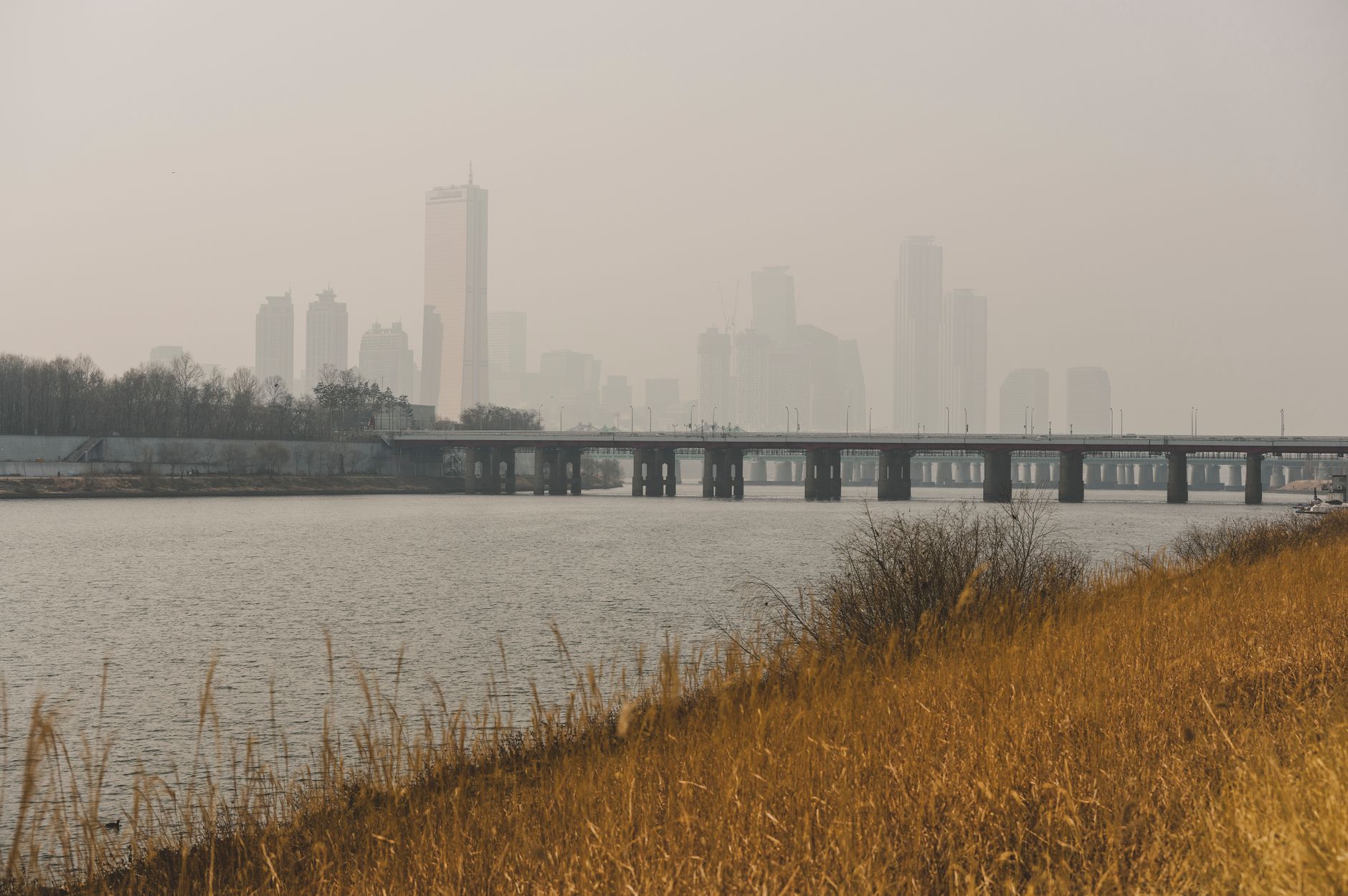
The extreme temperature was logged as a punishing high-pressure system parked itself over the Korean Peninsula, trapping hot, humid air and pushing overnight lows into uncomfortable territory in major cities, including Seoul. Weather officials say the combination of daytime highs and “tropical nights” — when temperatures fail to drop below 25°C after sunset — has made this heatwave one of the most physically taxing in the nation’s history.
A Nation Under Heat Alert
The KMA has issued its highest-level heat warnings for most of the country, urging residents to avoid outdoor activity during peak afternoon hours and to check on elderly neighbors and relatives. Local governments have opened emergency cooling centers, extended operating hours at public pools, and distributed water and ice packs in vulnerable neighborhoods.
Hospitals have reported a sharp rise in heatstroke and heat-exhaustion cases, with health authorities warning that outdoor laborers, farmers, and elderly residents living alone face the greatest risk. South Korea’s rapidly aging population has made heatwaves an increasingly urgent public health concern, as older residents are both more physiologically vulnerable to extreme heat and less likely to use air conditioning due to cost.
“This is not just an inconvenience — it is a public health emergency,” a KMA official said, according to reports covering the new record, as cited by Dawn.
Strain on Power Grid and Agriculture
The extreme heat has pushed electricity demand to near-record levels as households and businesses run air conditioning around the clock. South Korea’s grid operators have asked large industrial users to reduce consumption during peak hours to avoid blackouts, a request that echoes similar appeals during past summer heat emergencies.
Farmers are also reporting damage to crops and livestock. Poultry and pig farms are especially vulnerable to mass die-offs during extended heat events, and agricultural officials have warned that vegetable and fruit yields could be affected heading into the fall harvest season, potentially pushing up grocery prices later in the year.
Part of a Broader Pattern Across Asia
South Korea’s record comes amid a summer of extreme heat across East Asia. Japan, China, and other neighboring countries have also reported unusually high temperatures and prolonged heatwaves in recent weeks, part of a pattern that climate scientists have repeatedly linked to human-caused climate change.
Researchers who study extreme weather attribution have consistently found that heatwaves of this intensity and duration are becoming more frequent and more severe as global average temperatures rise. South Korea’s previous national heat record, set in 2018 in the town of Hongcheon, had already been considered an outlier event at the time — a benchmark now eclipsed just a few years later.
What Comes Next
The KMA has not said when the current heatwave is expected to break, though forecasters are watching for the potential arrival of typhoon systems that could bring both relief and new hazards in the form of heavy rain and flooding. In the meantime, officials are urging the public to stay hydrated, limit strenuous outdoor activity, and seek medical attention promptly if symptoms of heat illness appear, including dizziness, nausea, and confusion.
City governments in Seoul and other major metropolitan areas have said they will keep emergency shelters and cooling centers open as long as the warnings remain in effect. Labor unions representing construction and delivery workers have also renewed calls for mandatory heat-safety protocols, including scheduled breaks and hydration requirements, arguing that voluntary guidelines have not kept pace with the intensifying conditions.
As South Korea absorbs the shock of its new temperature record, the episode is likely to intensify domestic debate over climate adaptation policy, energy infrastructure resilience, and protections for workers and elderly citizens most exposed to extreme heat in the years ahead.