President Donald Trump announced Sunday that the United States will impose a 20% toll on all cargo ships transiting the Strait of Hormuz, according to a report published by CNBC on July 13, 2026. The announcement came alongside the restart of a U.S. naval blockade of Iran, marking one of the most aggressive escalations of American pressure on Tehran in years.
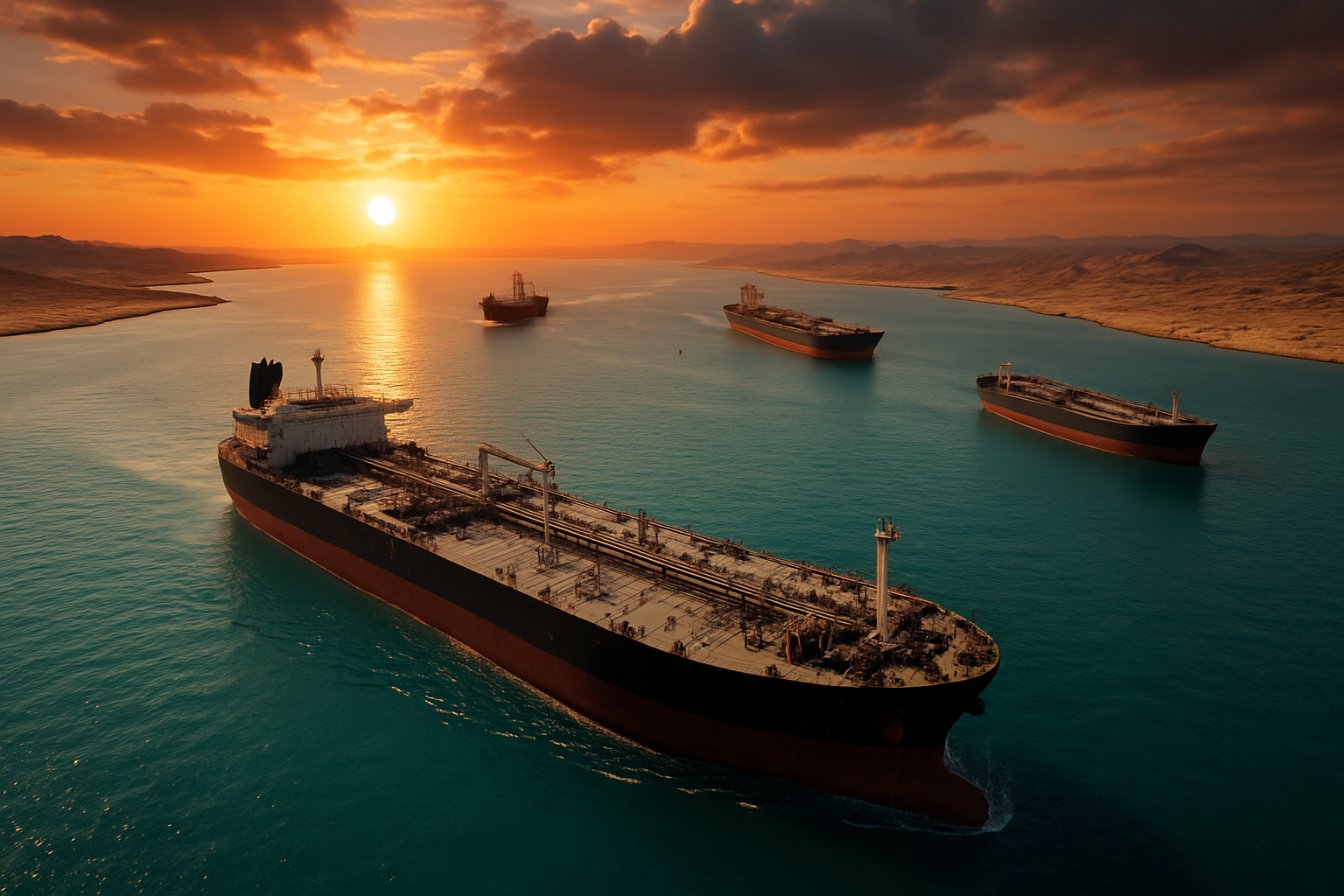
The Strait of Hormuz is the single most trafficked oil chokepoint on Earth, with roughly one-fifth of the world’s petroleum supply moving through its narrow 33-kilometer-wide passage every day. A 20% transit levy applied to that flow would add hundreds of millions of dollars in daily costs across global shipping lanes.
How the Strait of Hormuz toll would actually work
Trump framed the toll as a reimbursement mechanism — the U.S. Navy has maintained a significant presence in the Persian Gulf region, and the administration’s position is that foreign nations benefiting from that protection should pay for it. Under the proposal, cargo vessels passing through the Strait would owe 20% of the value of their shipments to the United States. It is not yet clear whether collection would be enforced through naval interdiction, sanctions on shipping companies, or secondary tariffs on goods arriving in the U.S. from countries that refuse to comply.
That ambiguity is itself a pressure tactic. Shipping insurers reacted within hours, with Lloyd’s of London market sources flagging the Strait as an elevated war-risk zone — a designation that drives up insurance premiums for every tanker in the region regardless of flag state.
Iran blockade restarts alongside the toll announcement
The naval blockade of Iran, which had been paused during a brief diplomatic back-channel period earlier this year, is now back in force. U.S. Fifth Fleet assets positioned in the Gulf are tasked with intercepting Iranian oil exports that have continued to flow — largely to Chinese buyers — despite existing sanctions. Restarting the blockade tightens that net and gives military backing to the new toll demand.
Iran has previously threatened to close the Strait entirely in response to U.S. pressure. In a prior confrontation covered by NarwhalTV, Iran shut the Hormuz strait and struck five Gulf nations, a move that briefly sent Brent crude above $130 per barrel. A repeat of that scenario is now back on the table.
Oil markets react fast, and the numbers are not small
Brent crude futures jumped more than 4% in Asian trading on Monday morning following the announcement. Analysts at JPMorgan noted that even a credible threat to Strait traffic — without a single ship being stopped — is enough to add a $10–$15 risk premium per barrel to global oil prices. A full enforcement of the toll, combined with the blockade, could push that premium significantly higher.
Countries most exposed include Japan, South Korea, and India, all of which source the majority of their crude oil imports through the Strait. China, Iran’s largest oil customer, faces a direct conflict between its existing purchase agreements with Tehran and potential U.S. secondary sanctions for ships paying tolls to Tehran rather than Washington.
Gulf states are caught between Washington and their own exports
Saudi Arabia, the UAE, Kuwait, and Iraq all ship their own oil through the Strait. The 20% toll, as currently described, appears to apply to all cargo regardless of national origin — meaning U.S. allies in the Gulf would also face the levy on their own exports. That detail has generated immediate diplomatic pushback behind the scenes, with Gulf Cooperation Council members seeking clarification from Washington on whether allied exporters would receive exemptions.
The GCC nations have a direct economic stake: Saudi Arabia alone exports roughly 6 million barrels per day, a significant portion of which transits the Strait. A 20% charge on that volume would run into billions of dollars monthly.
Broader context: Iran policy and the pressure campaign
The Hormuz toll is the latest in a series of escalating economic and military moves against Iran. The Trump administration has layered maximum-pressure sanctions throughout 2025 and 2026, targeting Iranian oil revenue, the Revolutionary Guard Corps, and Tehran’s proxy networks across the Middle East. The blockade restart and the toll announcement together signal that the administration wants to move from sanctions enforcement — which has leaked significantly through Chinese purchases — to active physical interdiction.
Separately, European intelligence services have been tracking Iranian activity more broadly. Earlier this year, Italy dismantled a Russian spy ring hunting Ukraine air defense secrets, a reminder of how interconnected the current geopolitical pressure points have become across the Middle East and Eastern Europe.
The next concrete test will come within days: whether a non-U.S.-flagged tanker attempts to transit the Strait without paying the toll, and how the U.S. Navy responds. That incident — or the threat of it — will set the enforcement precedent that either makes the toll real or exposes it as a negotiating position.