The Albanian businessman who sold the coastal land earmarked for Jared Kushner’s luxury resort is suspected by local prosecutors of fabricating the property deeds, Reuters reported on July 11, 2026. The allegation puts one of the most-watched foreign development deals in the region directly in the path of a criminal investigation.
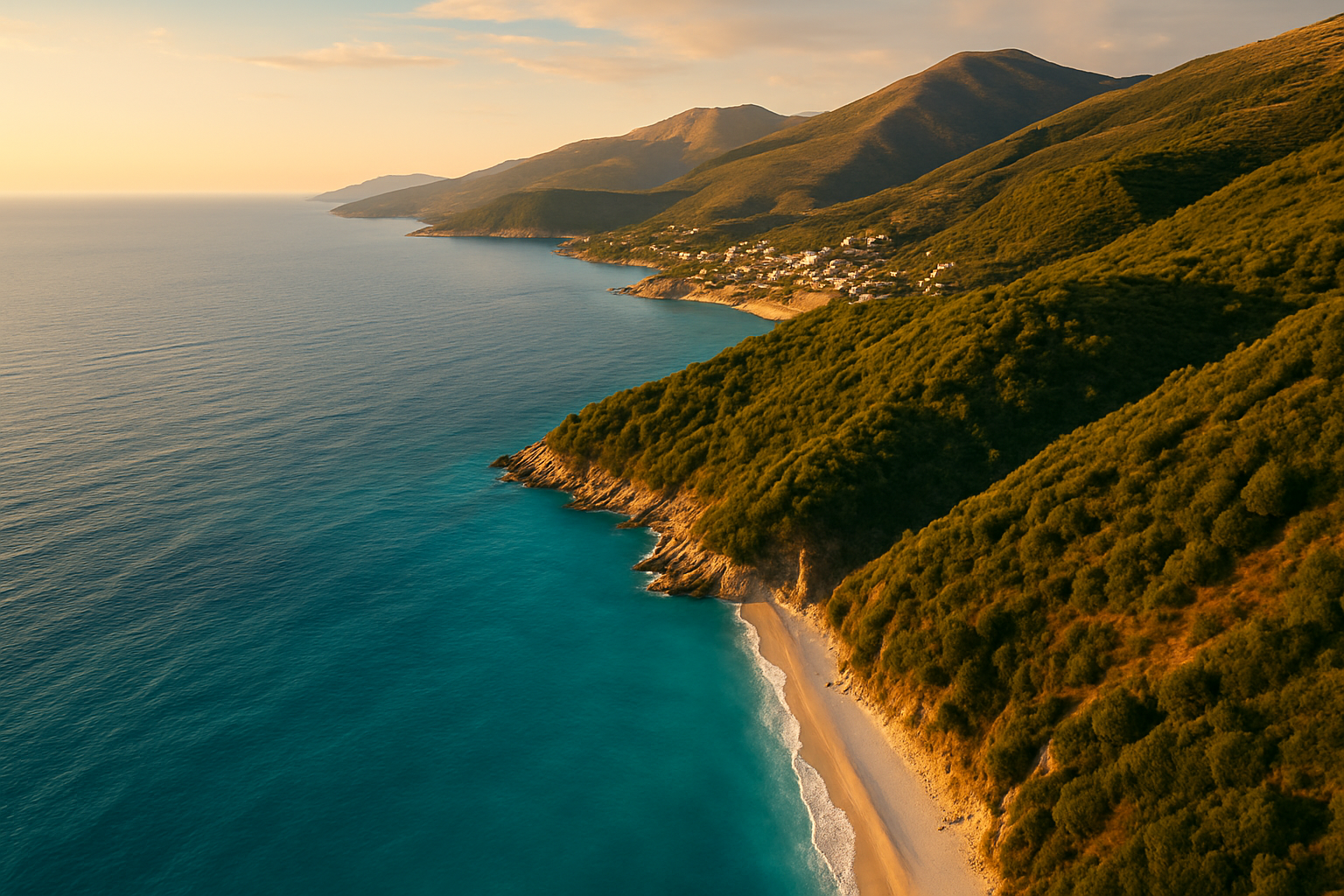
The Kushner resort Albania project — a sprawling high-end development planned for the Albanian Riviera — was announced with considerable fanfare as part of Kushner Companies’ broader push into European coastal real estate. The land transaction underpinning that deal is now the focus of scrutiny by Albanian authorities.
What Albanian prosecutors allege about the forged property deeds
Investigators suspect the seller used forged property deeds to establish ownership of the land before transferring it to the Kushner-linked venture. That non-obvious detail — that the alleged forgery would have occurred before the deal closed, meaning Kushner Companies may have purchased land from someone who never legitimately owned it — is what makes the legal exposure particularly complex. A fraudulent chain of title could potentially void the sale under Albanian law.
Albanian property law has long been a tangle of competing claims, a legacy of communist-era collectivization and the chaotic privatizations of the 1990s. Disputed or fabricated deeds are a documented problem across the country, and prosecutors have pursued similar cases in other high-value coastal transactions. The Albanian Riviera, which stretches along the Ionian Sea in the country’s south, has drawn intense developer interest over the past decade as tourism has surged.
Kushner Companies’ stake in the Albanian Riviera
Kushner Companies announced its Albania ambitions after Jared Kushner — son-in-law of President Donald Trump — stepped back from his formal White House role. The company partnered with local entities to develop what was described as a major resort and residential complex. Albanian officials at various levels publicly welcomed the investment as a signal of international confidence in the country’s tourism economy.
Reuters did not report that Kushner Companies itself is suspected of wrongdoing or that the company had any knowledge of the alleged deed fraud. The suspicion, as described in the reporting, centers entirely on the local seller. Still, if prosecutors determine the original titles were forged, the legal standing of any subsequent transfer — including the one to the Kushner-linked project — becomes an open question for Albanian courts to resolve.
Land fraud Albania cases have historically moved slowly through the judicial system, and outcomes are rarely swift. However, the international profile of this particular deal means it is unlikely to proceed quietly.
Albania’s property fraud problem and foreign investment
Albania joined NATO in 2009 and has been pursuing EU candidate status, giving it incentive to demonstrate rule-of-law progress. High-profile property title fraud cases involving foreign investors are exactly the kind of story that can complicate that narrative. The government in Tirana has not issued a public statement on this specific investigation as of the time of Reuters’ reporting.
For foreign developers eyeing the Albanian Riviera, the case illustrates a persistent structural risk: even well-resourced buyers can find themselves holding titles that trace back to fraudulent origins. Albania’s property registry system has undergone reform efforts for years, but gaps remain, particularly for older parcels that changed hands during the post-communist scramble of the 1990s.
The Kushner resort Albania situation is not the first time a celebrity-branded development project has run into local legal complications in an emerging European market — but the political visibility of the Kushner name ensures it will receive scrutiny that a quieter developer might avoid.
What happens to the project now
Kushner Companies has not publicly commented on the allegations reported by Reuters. Albanian prosecutors have not announced formal charges as of July 11, 2026, and the investigation is ongoing. Under Albanian law, a finding of forged property deeds could trigger a civil proceeding to annul the original transfer, which would then cloud every subsequent transaction in the chain — including the sale to the resort project.
If the title is invalidated, the Kushner-linked venture would likely need to pursue compensation from the seller rather than the land itself, or attempt to acquire clear title through a separate legal process. Neither path is fast, and construction timelines for the Albanian Riviera development would almost certainly be affected.
Prosecutors are expected to continue the investigation through the summer. Any formal indictment of the seller would mark a significant escalation and would almost certainly prompt a response from Kushner Companies’ legal team — making the next few months a critical window for the project’s future.
For context on how high-profile figures have navigated legally fraught situations in other parts of the world, see NarwhalTV’s earlier coverage of Ro Khanna detained by settlers in the West Bank, another case where international political visibility shaped how an incident unfolded on the ground.