Rob Dieperink, one of the Netherlands’ most prominent football officials, died on July 13, 2026, at the age of 38. The Royal Dutch Football Association (KNVB) confirmed his passing, as reported by the BBC. No cause of death has been disclosed publicly by his family or the KNVB.
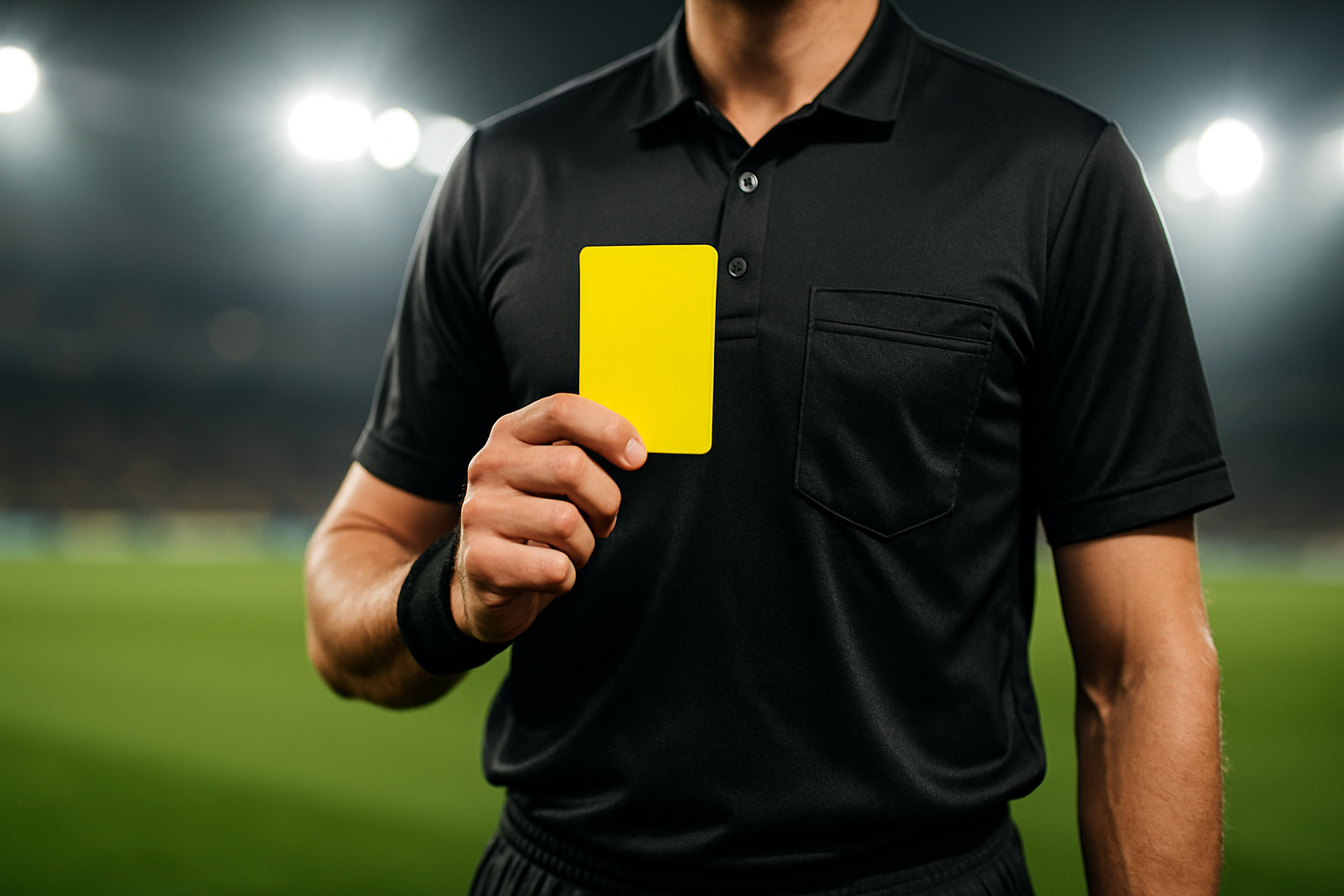
The timing makes his death particularly jarring. Dieperink had been included in FIFA’s original selection of referees for the 2026 World Cup — the tournament currently underway across the United States, Canada, and Mexico — but was dropped from the list in the weeks before his death. The KNVB has not said whether his removal was connected in any way to his health.
A career that reached the top tier of European football
Dieperink earned his FIFA badge and regularly officiated in the Eredivisie, the Dutch top flight, as well as UEFA club competitions. He was widely regarded as one of the sharper officials in his generation of Dutch referees, known for his composure in high-pressure matches. Reaching a World Cup selection list at 38 — a relatively young age for a senior international referee — marked a career peak that made his removal from the tournament all the more surprising to those who follow the officiating circuit.
The specific reason FIFA gave for dropping him from the World Cup referee list has not been made public. FIFA periodically adjusts its officiating panels in the lead-up to tournaments for reasons ranging from fitness assessments to performance reviews, but the KNVB offered no official explanation in the wake of his death.
KNVB and Dutch football community respond
The KNVB expressed its condolences directly to Dieperink’s family and described his death as a tremendous loss for Dutch football. Fellow referees and players from the Eredivisie also paid tribute on social media within hours of the announcement. Dutch referee Danny Makkelie, one of the country’s most recognized officials on the international stage, was among those in the officiating community who acknowledged the loss, though formal statements from individual colleagues were still emerging as of publication time.
Dieperink leaves behind a refereeing legacy that extended beyond domestic football. He had built a reputation across multiple seasons of European competition as a calm, authoritative presence on the pitch — the kind of official managers and players rarely singled out for controversy, which in refereeing circles is itself a form of praise.
World Cup 2026 referee selections drew scrutiny before his death
The 2026 World Cup, hosted across 16 cities in North America, assembled one of the largest officiating panels in tournament history owing to the expanded 48-team format. FIFA’s final referee list ran to 36 referees from across six confederations. Being dropped from that list — after having been named to it — is uncommon and typically draws attention within football’s officiating community. Dieperink’s removal weeks before his death will likely invite further questions, though no official has suggested a direct link between the two events.
FIFA has not issued a separate statement as of this writing. The governing body has come under periodic scrutiny for its referee selection and deselection processes, which lack transparency compared to its player eligibility decisions.
Tributes pour in across European football
News of Dieperink’s death spread quickly through football circles on Sunday. Several Eredivisie clubs posted tributes on official channels. The story gained wider international attention partly because of the World Cup backdrop — his name had been in circulation among fans and journalists tracking the tournament’s officiating roster just weeks earlier.
At 38, Dieperink would typically have had several years of international refereeing still ahead of him. Most FIFA referees reach their prime in their late 30s to mid-40s, meaning his career arc suggested further major tournaments were plausible before his death.
For context on how football’s supporting institutions — from officials to governing bodies — shape the game behind the scenes, other stories in international sport and security have underscored how quickly careers and reputations can shift in high-stakes environments.
The KNVB said it would support Dieperink’s family through this period and asked that the public respect their privacy while they grieve. A formal tribute from Dutch football’s governing body is expected in the coming days, potentially tied to a moment of recognition during an Eredivisie fixture when the next domestic season opens.
For now, the Dutch football community is mourning one of its own — a referee who made it to the sport’s biggest stage, and whose death at 38 has left a gap that will take years to fully register.