New Mexico’s attorney general has accused the U.S. Department of Justice of actively obstructing a state investigation into Jeffrey Epstein’s Zorro Ranch, according to a New York Times report published July 9, 2026. The accusation names Attorney General Todd Blanche specifically, alleging that DOJ leadership has interfered with access to evidence and witnesses connected to the sprawling New Mexico property where Epstein allegedly abused victims.
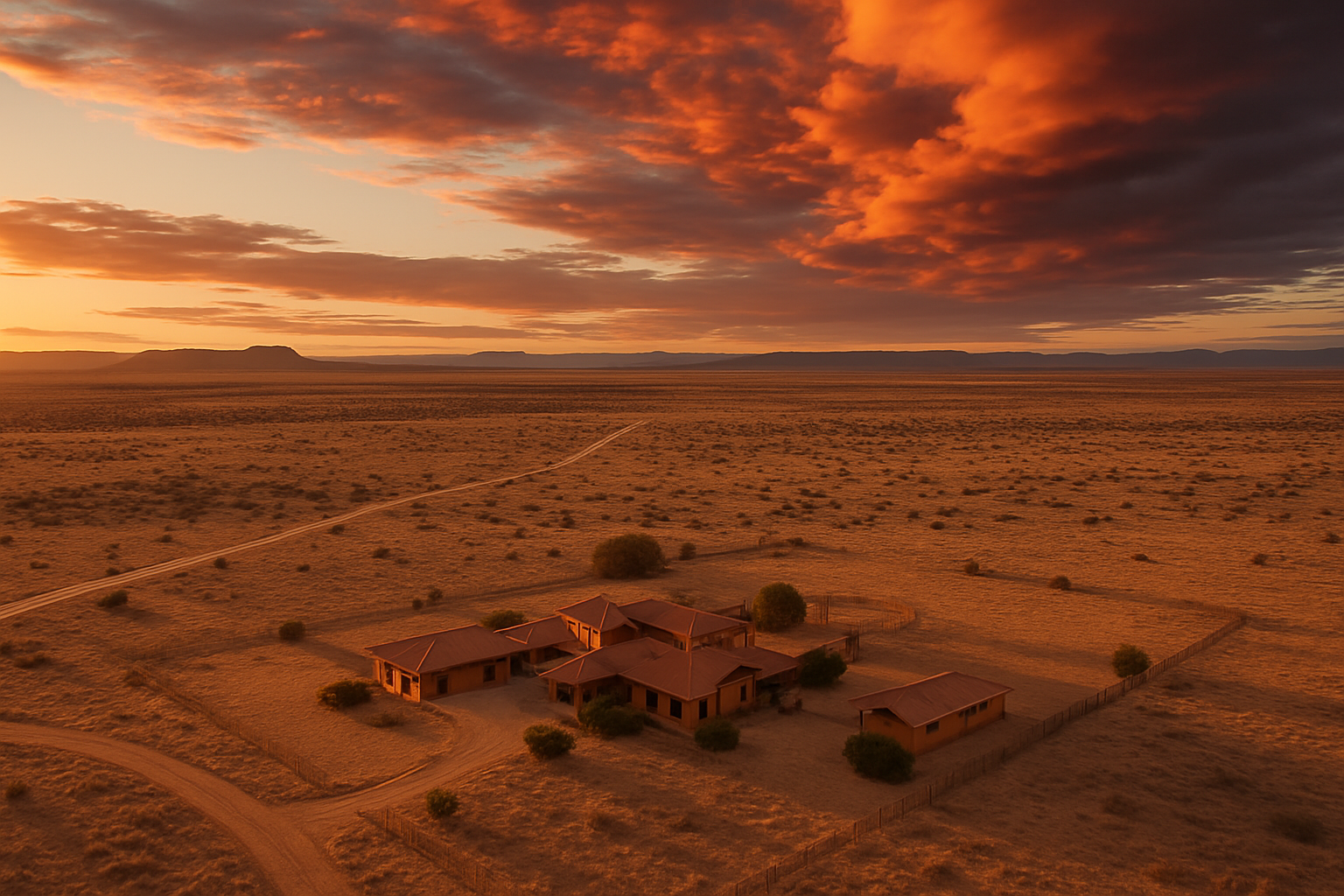
The Zorro Ranch, a roughly 10,000-acre estate outside Stanley, New Mexico, has long been a focal point of survivor advocacy groups and state investigators. What sets this accusation apart is not just its target — the sitting U.S. attorney general — but its directness: New Mexico’s office says the obstruction is not bureaucratic delay, but deliberate interference.
What New Mexico’s AG says the DOJ is doing
State investigators have been pursuing leads at the Zorro Ranch tied to the trafficking network Epstein operated before his 2019 death in federal custody. New Mexico officials allege the DOJ has declined to share relevant federal evidence, blocked interviews with potential witnesses, and failed to cooperate on overlapping aspects of the investigation, the Times reported.
The accusation puts Todd Blanche — who previously served as a defense attorney before his confirmation as attorney general — at the center of a politically charged confrontation with a state government. New Mexico officials did not characterize the obstruction as passive; they described it as a concerted effort to stall the Epstein ranch inquiry at the federal level.
A non-obvious detail buried in the reporting: New Mexico’s investigation has been ongoing for years, predating the current federal leadership, but officials say the pace of obstruction accelerated more recently — suggesting the interference is a product of policy choices made under the current DOJ, not just institutional inertia.
Zorro Ranch’s role in the broader Epstein case
Epstein purchased the New Mexico property in the 1990s. Survivors have alleged abuse occurred there, and the ranch has been referenced in civil litigation and congressional inquiries. Unlike Epstein’s now-infamous private island, Little St. James in the U.S. Virgin Islands, Zorro Ranch sits on U.S. soil under state jurisdiction — meaning New Mexico’s AG has independent authority to investigate without federal permission.
That jurisdictional independence is precisely why the obstruction allegation carries weight. If federal authorities cannot legally stop New Mexico from investigating, blocking access to evidence or witnesses becomes the functional lever. State investigators say that lever is being used.
No charges have been filed against any living individuals in connection with the ranch as of July 2026. Survivors and advocacy organizations have pressed for a full accounting of who visited the property and what occurred there, arguing that Epstein did not act alone and that co-conspirators have yet to face justice.
Todd Blanche and the DOJ’s position
The DOJ had not issued a detailed public response to New Mexico’s allegations as of the Times’ publication date. Blanche’s confirmation as attorney general was itself contentious, and this accusation adds a new layer of scrutiny to his tenure. The department has generally maintained that ongoing investigations prevent it from sharing materials with outside parties, including state-level offices — a standard legal position that critics argue is being weaponized here.
New Mexico’s move to go public with the obstruction claim, rather than pursue it solely through legal channels, signals that state officials believe they have exhausted quieter options. Making the allegation visible increases political pressure on the DOJ to respond and creates a public record of the dispute.
Why survivors are watching this fight closely
For the dozens of women who have come forward as Epstein survivors, the Epstein ranch inquiry represents one of the last active official investigations on U.S. soil. Federal prosecutors closed their main case with Epstein’s death, and his associate Ghislaine Maxwell is serving a 20-year federal prison sentence. But many survivors and their attorneys argue that unnamed co-conspirators — particularly those who visited or were involved at the ranch — have never been investigated in any meaningful public way.
The clash between New Mexico and the DOJ could eventually reach federal court if state officials seek to compel the release of evidence through litigation. That process would play out slowly, but a court order forcing DOJ cooperation would be without modern precedent and could open sealed records that have been the subject of intense public interest for years.
Civil attorney David Boies, who has represented multiple Epstein survivors in litigation, has previously argued that a full investigation of the New Mexico property is essential to understanding the full scope of the trafficking operation — though he has not been named in connection with this specific state-level dispute.
Separately, Congress has renewed calls for a transparent federal process on politically sensitive investigations, a pressure that could amplify New Mexico’s accusations in coming weeks. Whether the DOJ responds publicly or contests the characterization through legal filings will likely determine how quickly this confrontation escalates.
New Mexico has not set a public timeline for its next steps, but state officials have made clear they intend to continue the investigation regardless of federal cooperation — or the lack of it.